A major chapter in London's railway history is set to close, as the final diesel fumes are cleared from the grand arches of St Pancras station. East Midlands Railway (EMR) has confirmed that its diesel units will make their last departures from the London terminus by the end of 2026, replaced by a new fleet of cleaner, quieter trains.
The Aurora Fleet Arrives: A Step-Change for St Pancras
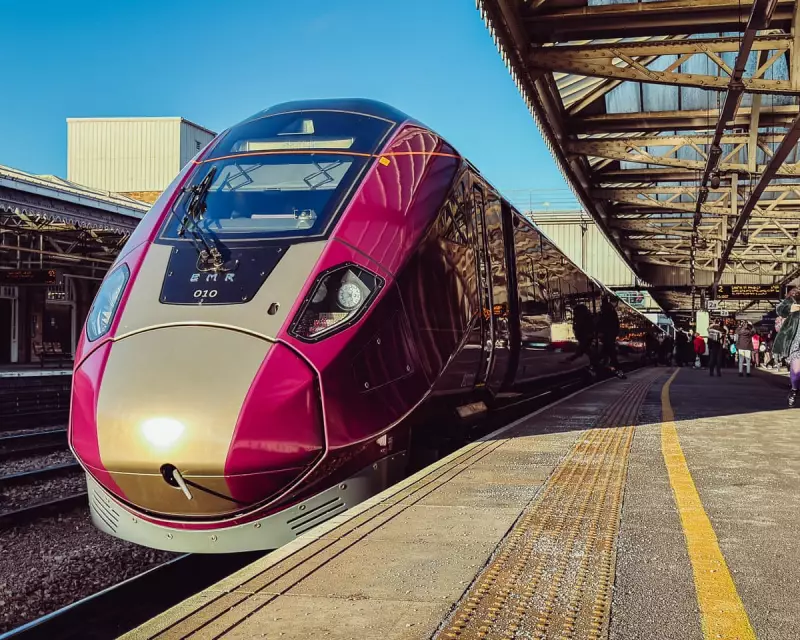
The transformation will be driven by EMR's new fleet of Hitachi-built Aurora trains, which are now arriving after significant delays. According to EMR Managing Director Will Rogers, the bi-mode trains promise a "step-change" for the station environment. "It's very noticeable in terms of noise and emissions," he stated.
The Aurora fleet, costing £400 million, is designed to run on electricity where overhead wires are available, switching to diesel power elsewhere. On the electrified sections south of Leicester, this technology can slash carbon emissions by an impressive 66% compared to the current diesel-only services.

The Rocky Road to Rail Electrification
This milestone for St Pancras arrives later and with more complexity than initially hoped. The full electrification of the Midland main line, which these new trains were intended to utilise, has been dramatically scaled back by the government. Works have been halted south of Leicester, a decision that surprised and dismayed many in the industry.
Rogers struck a diplomatic note, acknowledging "difficult choices" while welcoming any future electrification. The combined investment in new trains and the truncated electrification project still represents a massive £1.9 billion commitment to the route.
The challenge highlights a broader national issue. While about 70% of Britain's passenger trains are electric, only 39% of the total rail network has been electrified, with a heavy concentration in the south-east.
Health and Environmental Imperatives
The move away from diesel is not just about carbon. Research from the Rail Safety and Standards Board has shown that exposure to nitrogen oxide (NOx) emissions for passengers on diesel trains and those waiting in stations can exceed levels found on busy roads.
With most other London mainline terminals like Euston having already eliminated regular diesel services, St Pancras has remained a notable holdout. The change will leave London Marylebone as the capital's primary unelectrified mainline station, where full wiring is considered prohibitively expensive due to tight tunnels and bridges on the Chiltern line.
Innovation Bridges the Gaps
Where full electrification is too costly or complex, new technologies are offering solutions. Network Rail is exploring battery-hybrid trains and partial electrification for routes like the Chiltern line to Birmingham.
The potential was underscored by a Great Western Railway (GWR) test this summer, where a battery-powered train achieved a world-record 200-mile journey on a single charge. Simon Green, GWR's Engineering Director, called it "clear evidence that this is a viable and exciting solution for the future of our railway."
In the interim, operators like Chiltern Railways are introducing more efficient diesel fleets and increasing the use of hydrotreated vegetable oil (recycled chip fat) in their fuel, aiming to raise its proportion from 7% to 20%.
Passenger Benefits on Track
For passengers, the new trains bring tangible improvements:

- EMR's Aurora fleet offers more seats, better space, and improved accessibility, with wheelchair spaces in first class. Specially made glass promises to enhance notoriously poor mobile connectivity onboard.
- Chiltern Railway is introducing nearly-new Mark V trains, replacing some 50-year-old carriages, adding 10,000 seats weekly, and bringing amenities like wifi and air-conditioning.
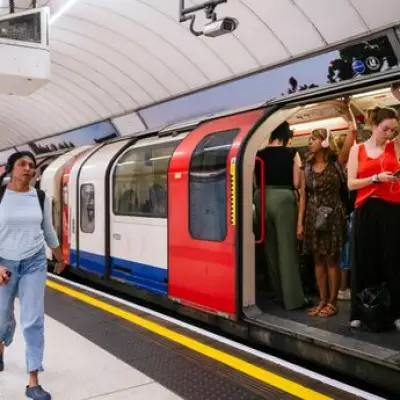
- On the London Underground, the new Piccadilly Line trains, expected between late summer and December, will use 20% less electricity and feature walk-through carriages and air conditioning.
The Department for Transport, alongside Network Rail, is now developing an updated national electrification strategy. The former ambition to eliminate all diesel trains from the network by 2040 is officially under review. A government spokesperson emphasised a focus on "the most cost-effective schemes that make the greatest difference as quickly as possible."
As the final diesel engines prepare to depart St Pancras, the journey towards a cleaner, quieter railway continues—proving that even in the shadow of grand Victorian architecture, the future of transport is steadily arriving.