Deep beneath a busy East London roundabout lies what many consider the network's most beautiful station, yet the vast majority of Tube users will never lay eyes on it. Gants Hill station, on the Central line, is a hidden architectural treasure, its splendour reserved only for those who venture onto one of the system's quietest branches.
A Moscow Masterpiece in East London
The station's unassuming entrance offers no hint of the spectacle below. Unlike the distinctive street-level buildings of stations like Caledonian Road, access to Gants Hill is via stairs leading down from the Gants Hill roundabout, just north of Valentines Park in Redbridge. It has no surface-level station building, making it easy to overlook.
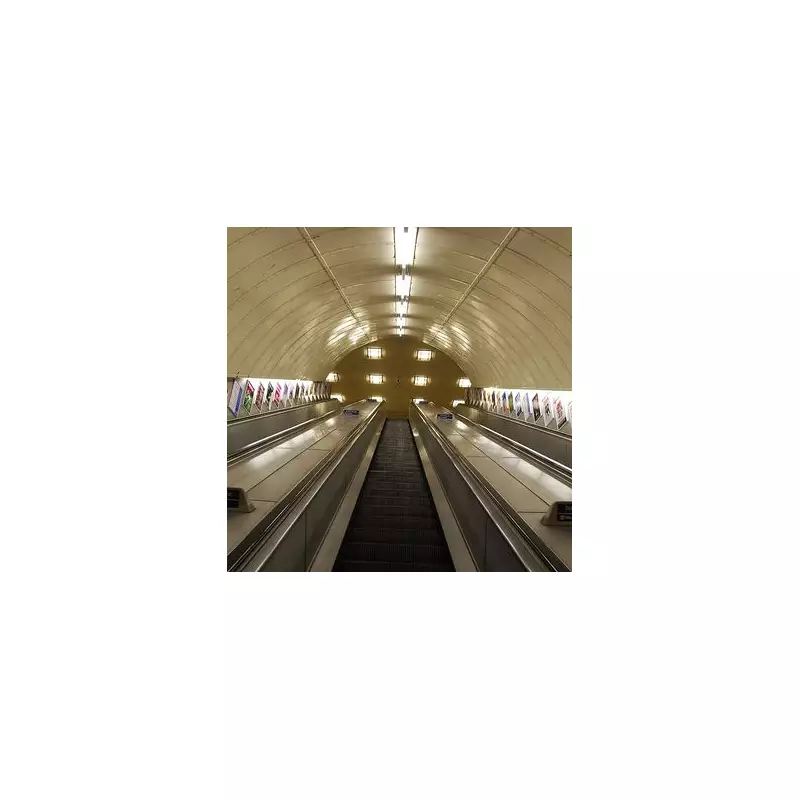
This all changes at platform level. Descending into the impressive open-plan concourse reveals a stunning vista of large arched ceilings, grand tiled pillars, and elegant benches arranged symmetrically. The design is so strikingly reminiscent of the palatial stations of the Moscow Metro that the space has earned the nickname 'Moscow Hall'.

The History Behind the Design
This similarity is no accident. The station was designed by the renowned architect Charles Holden, who took direct inspiration from a visit to the Soviet capital. According to the London Transport Museum, this was one of Holden's final commissions for London Transport, completed in 1947.
Construction first began in the 1930s but was severely disrupted by the Second World War. The unfinished station served a vital wartime purpose: its tunnels were used as an air raid shelter and later converted into a munitions factory for Plessey electronics. After years of delay, Gants Hill finally opened to the public on December 14, 1947, becoming the easternmost underground terminal on the network.
The 'Loneliest' Part of the Tube Map
Despite its beauty, Gants Hill's location is the reason for its obscurity. It sits on the Hainault loop of the Central line, a section often dubbed the 'loneliest' part of the Tube map due to its relatively low passenger numbers. Commuters report that outside of peak hours, it's sometimes possible to have an entire carriage to oneself when travelling on this branch.
This lack of foot traffic means that the station's breathtaking architecture remains a secret, discovered largely by accident or through deliberate exploration. For Londoners and visitors keen to see a unique piece of transport history, a trip to this overlooked gem offers a quiet journey into a past era of ambitious, elegant design, hidden in plain sight beneath the streets of the capital.