London Restaurants Urge Diners to Cancel Bookings Amid Tube Strike Chaos
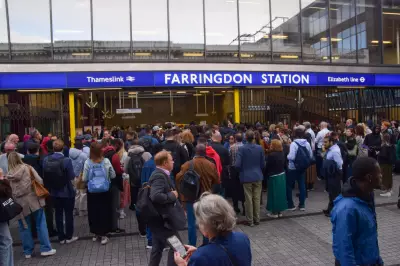
London's restaurants and pubs are making a desperate plea to customers as Tube strikes threaten to cripple the city's hospitality sector this week. Industry leaders warn that the capital could lose tens of millions of pounds in revenue due to the industrial action, which is set to bring Underground services to a standstill.
Strike Details and Economic Impact
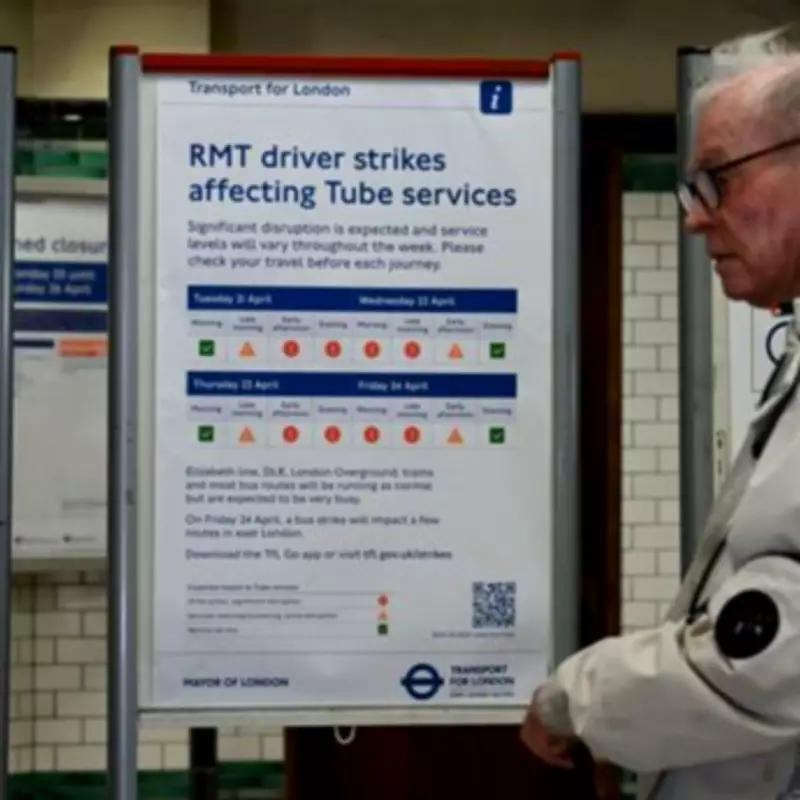
Tube drivers, represented by the Rail, Maritime and Transport Union (RMT), will strike from midday on Tuesday, April 21 until midday on Wednesday, April 22, with repeats on Thursday, April 23 and Friday, April 24. The dispute centers on Transport for London's (TfL) proposal to implement a condensed four-day work week, shifting from 36 hours over five days to 35 hours over four days. The RMT argues this could lead to fatigue and safety risks, advocating instead for a 32-hour four-day week.
With London Underground lines either shut or severely disrupted, footfall in Central London is expected to plummet as many opt to work from home. This drop in customer traffic spells disaster for restaurants and pubs already operating on razor-thin margins.

Restaurants' Plea for Support
Restaurant booking service OpenTable has issued a direct appeal to Londoners, asking them to cancel any bookings they can no longer attend. This simple action, they say, could give establishments a fighting chance to refill empty tables and mitigate financial losses.
Sasha Shaker, Senior Director at OpenTable, emphasized: "No-shows and late cancellations can be devastating for restaurants, especially when they're battling rising operating costs. Canceling as soon as possible allows them to potentially fill those seats, which is crucial during transit disruptions like these."
Broader Hospitality Concerns
Emma McClarkin, Chief Executive of the British Beer and Pub Association, highlighted the broader economic stakes. She noted that London's pubs typically generate around £80 million in gross added value between Tuesday and Friday alone, supporting jobs, high streets, and community spirit.
McClarkin stated: "Many pubs are already on a knife edge due to high costs, and this disruption will be acutely felt. We're urging the government to support the sector through measures like business rates reform, cuts in beer duty and VAT, and reduced regulatory burdens."
Union and TfL Perspectives
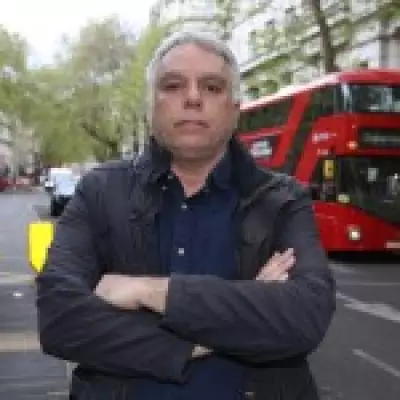
RMT official Jared Wood explained that the dispute extends beyond the four-day week, involving issues like shift lengths and annual leave changes. He called on TfL to revise its proposals for a resolution, citing strong unity among union members.
In response, Claire Mann, TfL's Chief Operating Officer, defended the proposals as voluntary and beneficial, offering train operators an extra day off while aligning with industry standards. She assured that there would be no reduction in contractual hours, and those preferring a five-day week could continue.
As picket lines form across the city, London's hospitality businesses brace for a challenging week, hoping customer cooperation can help soften the blow.