The Ultimate London Adventure: Walking the 150-Mile Orbital Loop
What is the most profound way to truly understand London? While boat tours, bus rides, and cycling adventures offer glimpses, nothing compares to traversing the entire city on foot via the monumental London Outer Orbital Path, commonly known as the London Loop. This epic 150-mile trail encircles the capital, unveiling neighbourhoods, landmarks, and curiosities that even lifelong residents often overlook.
A Journey Through Time and Terrain
First proposed in 1990 and fully walkable by 2001, the London Loop is meticulously divided into 24 manageable stages, each ranging from four to ten miles. The trail commences in the Thameside town of Erith, situated between Woolwich and the Dartford Crossing, and concludes in Purfleet on the north side of the crossing. Progressing clockwise, the path weaves in and out of London's boundaries, crossing the Thames at Kingston and connecting some of the city's most magnificent green spaces, including Bushy Park, Nonsuch Park, and Trent Park.
Every stage begins and ends at points accessible by public transport, making this adventure feasible for all. However, the Loop transcends a mere parade of suburban communities, lush parks, postwar semis, and secluded golf courses. It is an immersive quest filled with treasures that will fundamentally alter your perception of London.

Hidden Gems and Historical Wonders
Along the route, walkers encounter a diverse array of attractions that blend natural beauty with rich history. Key highlights include:
- Erith's Unique Landscape: A fascinating sociological mix of river, marshland, and scrap metal yards.
- St Mary's Church in Old Bexley: A gently extravagant and genuinely ancient architectural marvel.
- Holwood House Oak: The historic site where William Wilberforce and Prime Minister William Pitt the Younger discussed the abolition of slavery, now a symbol of abolition.
- Grave of Levi Boswell: The resting place of the 'king of the gypsies' in Bromley's St Giles the Abbot churchyard.
- Baker Boy Lane in South Croydon: Spooky woods that inspired a ghost story from the 1700s.
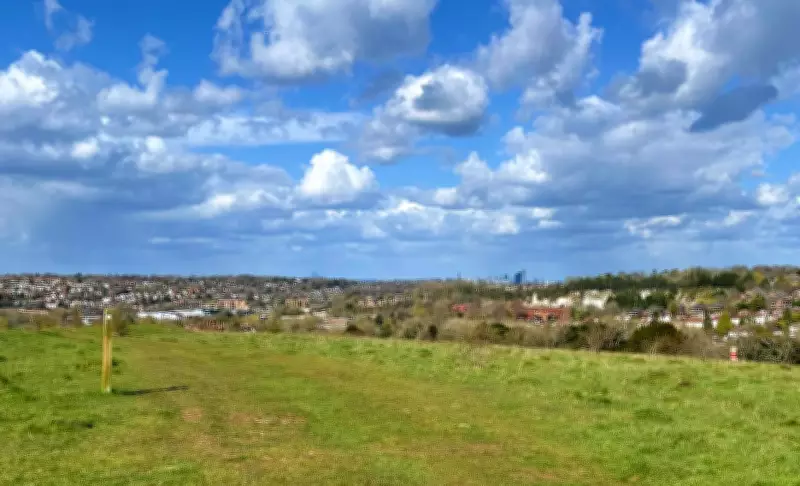
- Farthing Downs in Coulsdon: Sweeping, elongated downs offering a cinematic, awe-inspiring overview of the city from near the Loop's southernmost point.
- Bourne Hall in Ewell: A bonkers modernist museum, library, and concert hall resembling a spaceship landed in one of London's most well-heeled neighbourhoods.
Personal Stories and Practical Tips
The Loop is not merely about physical landscapes; it is a tapestry of historical, social, and personal narratives. For many, it passes through parks filled with childhood memories or graveyards holding family histories, adding profound emotional depth to the journey. To fully appreciate these enigmatic and diverse attractions, it is advisable to tackle the stages individually, combining only the shortest ones. This approach makes the Loop accessible to less-serious walkers and allows for leisurely exploration, including delightful pub stops like The Railway in Cheam.
Credit must be given to the Ramblers charity, whose volunteers maintain the trail and provide exceptional guidance. Their detailed route section guides, though factual and unshowy, brim with enthusiasm, particularly in the 'points of interest' sections and opening sentences that capture the trail's charm.
Why Every Londoner Should Embark on This Quest
Beyond woods, forests, canals, rivers, downs, hills, valleys, sites of scientific interest, and glamorous estates, the London Loop offers a unique perspective on the city's vastness and complexity. It reveals London as one of human civilisation's greatest achievements, far more massive than most realise. Completing the journey even rewards walkers with a certificate, a tangible testament to their accomplishment.
Whether you are an avid walker, a London completist, or simply curious, the London Loop promises an unforgettable adventure that transforms your view of the capital. So, lace up your walking shoes and discover the hidden treasures that await on this 150-mile orbital path.