

Supermarket Giants Face First Advertising Bans Under UK's Junk Food Crackdown
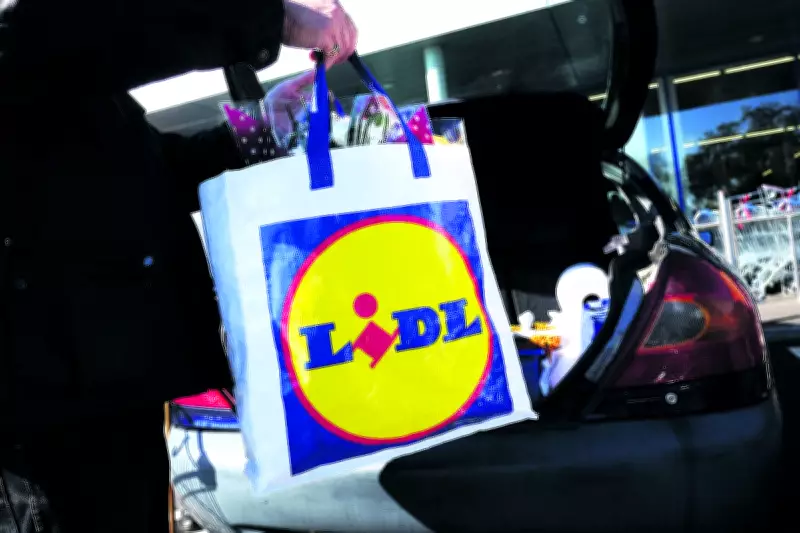
Lidl and Iceland have become the first major supermarket chains to have their advertisements formally blocked by British regulators under the government's stringent new crackdown on junk food marketing. The Advertising Standards Authority (ASA) has issued its inaugural warnings to the retailers following the implementation of restrictions that began enforcement in January 2026.
New Regulations Target High-Fat, High-Sugar Products
The comprehensive advertising rules specifically govern the promotion of foods falling into thirteen distinct categories that are officially classified as "less healthy" based on their fat and sugar content. These categories include soft drinks, chocolate products, pizza, sweets, and various confectionery items. Under the new framework, such products cannot appear in television advertisements before the 9pm watershed or in any paid online advertising regardless of the time of day.
The ASA's regulatory approach represents a significant shift in how food marketing is monitored in the digital age, with particular emphasis on social media promotions and online display advertising that reaches consumers throughout their daily browsing activities.

Lidl's Influencer Partnership Triggers Regulatory Action
The ASA specifically identified a promotional partnership between Lidl's Northern Ireland division and social media influencer Emma Kearney that featured products from the supermarket's bakery range. While an Instagram video showing Kearney eating a cheese pretzel from Lidl did not violate regulations (as the product doesn't qualify as high in fat, salt, and sugar), the same clip prominently featured Lidl's pain suisse - a French vanilla-filled pastry topped with chocolate chips that does meet the HFSS classification.
"This combination of compliant and non-compliant products in a single promotional piece created a clear violation of the new advertising standards," explained an ASA representative. Lidl responded promptly to the regulatory intervention, immediately removing the advertisement and instructing its marketing agency to ensure full compliance with the regulations in all future campaigns.
Iceland's Technical Data Error Leads to Advertising Violation
Iceland encountered regulatory issues through two separate advertisements on the Daily Mail website that promoted various confectionery items including Swizzels Sweet Treats, Chupa Chups Laces, and Haribo Elf Surprises. While some products featured in these advertisements - such as Pringles crisps and an Aberdeen Angus roasting joint - were not classified as HFSS products, the inclusion of the restricted confectionery items rendered the entire advertisements non-compliant.
The supermarket attributed the violation to "significant gaps in our data systems regarding the nutrient profiling of specific products" and explained that a technical fault with a third-party supplier's data feed had resulted in the inappropriate product inclusions. An Iceland spokesperson acknowledged that these initial rulings are helping establish clearer parameters for how the regulations will be applied in practice, following what they described as "initial confusion and debate" surrounding the rules' implementation.
Regulatory Distinctions and Enforcement Strategy
In a notable contrast to the supermarket cases, the ASA dismissed a separate complaint against food influencer "Big John" Fisher for promoting a doner kebab, determining that the specific food item did not qualify as HFSS under the established criteria. This decision highlights the nuanced application of the regulations based on precise nutritional profiling rather than blanket categorizations of food types.
ASA Chief Executive Guy Parker emphasized the regulatory body's commitment to impartial and consistent enforcement, stating: "Our role as the advertising regulator requires us to remain independent while ensuring that our new rules, which reflect the law, are applied fairly and consistently across all media platforms. These initial rulings represent an important step in building a clearer picture of how the regulations function in practical application."

Parker further revealed that the ASA would be implementing technology-assisted proactive monitoring systems to enhance enforcement capabilities, signaling a more sophisticated approach to digital advertising oversight that moves beyond reactive complaint-based regulation.
Industry Implications and Future Compliance
The landmark rulings against two of Britain's major supermarket chains establish important precedents for how the junk food advertising restrictions will be enforced across the retail sector. Marketing professionals and food industry representatives are now closely examining the specific cases to better understand compliance requirements, particularly regarding mixed-product promotions and social media influencer partnerships.
As the ASA continues to refine its enforcement approach through these initial cases, retailers across the United Kingdom are reassessing their advertising strategies, data management systems, and product promotion protocols to avoid similar regulatory interventions. The rulings underscore the increasing complexity of food marketing regulation in an era of heightened public health consciousness and digital advertising proliferation.





