

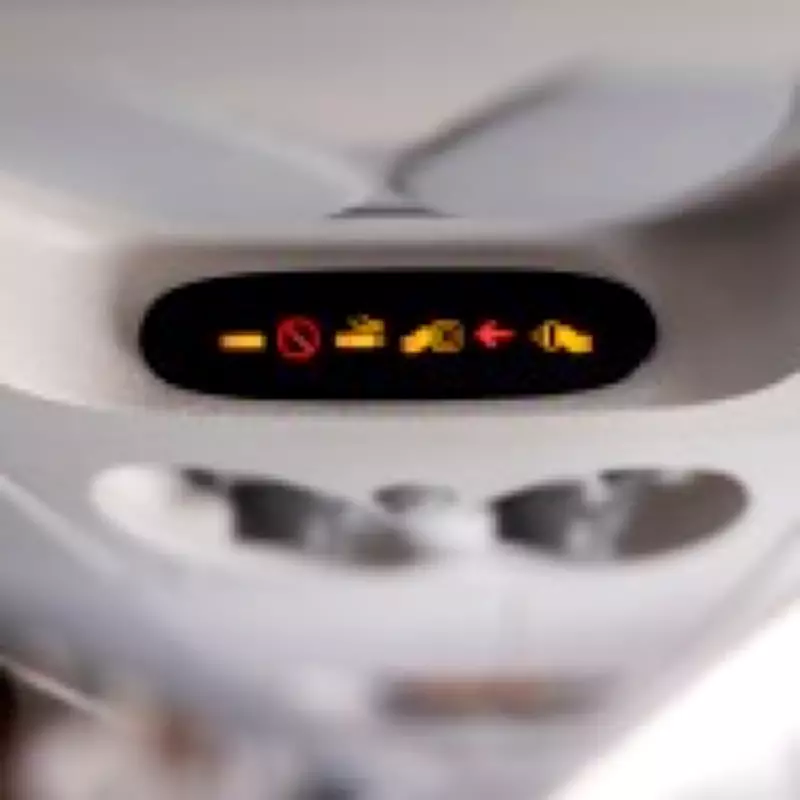
The Real Reasons Seat Belt Signs Illuminate During Calm Flights
When cruising at 40,000 feet, passengers expect occasional turbulence—akin to navigating a pothole-ridden road—triggering the familiar seat belt sign. However, that little orange light often illuminates unexpectedly during seemingly smooth conditions, leaving travelers puzzled. Del Willden, a cabin crew veteran with 26 years of experience, explains that while signs typically activate for actual or anticipated turbulence, there are other, more humorous reasons behind their use.
Meal Cleanup and Bathroom Breaks
Del confesses that flight attendants sometimes request the cockpit to turn on the seat belt sign during meal tray collection. "After the meal service was the worst time for passengers to get up and go to the toilet," he reveals. This tactic helps manage passenger movement and maintain order in the cabin.
Additionally, Del notes that certain low-cost carriers use the seat belt sign when a cockpit member uses the toilet, possibly as part of their security protocol. Despite these measures, unruly passengers often ignore the sign, attempting to open toilet doors or unfastening seat belts prematurely upon landing.

Crew Meal Times and Passenger Interruptions
During his career, crew meals—often including hot dishes, cheese, and leftovers from first or club class—presented another opportunity to utilize the seat belt sign. "I have known crew asking for the seat belt sign to be switched on while crew have their meal after a long food service," Del shares. On long-haul flights, passengers would enter the galley for stretching exercises, disrupting crew meals. "So someone's bum is in your face while you're trying to eat," he jokes, noting that modern low-cost carriers often require crew to bring their own food.
Debunking Upgrade Myths and Turbulence Tips
This insight follows recent revelations from a Virgin Atlantic flight attendant, who debunked common upgrade "hacks." Dressing smartly or gifting chocolates rarely secures better seats; upgrades depend on availability, loyalty status, and operational needs. The best method remains paying for an upgrade, with cabin crew able to process requests onboard.
For those fearing turbulence, travel expert Michael Moore advises avoiding specific seats. Window seats over the wings experience more turbulence due to air currents, while the tail section shakes during takeoff and landing. Surprisingly, middle cabin seats also amplify side-to-side and up-and-down motions, lacking the stabilizing effect of the wings.
These behind-the-scenes anecdotes highlight the practical, sometimes cheeky, realities of air travel, blending safety protocols with crew convenience and passenger behavior management.






