

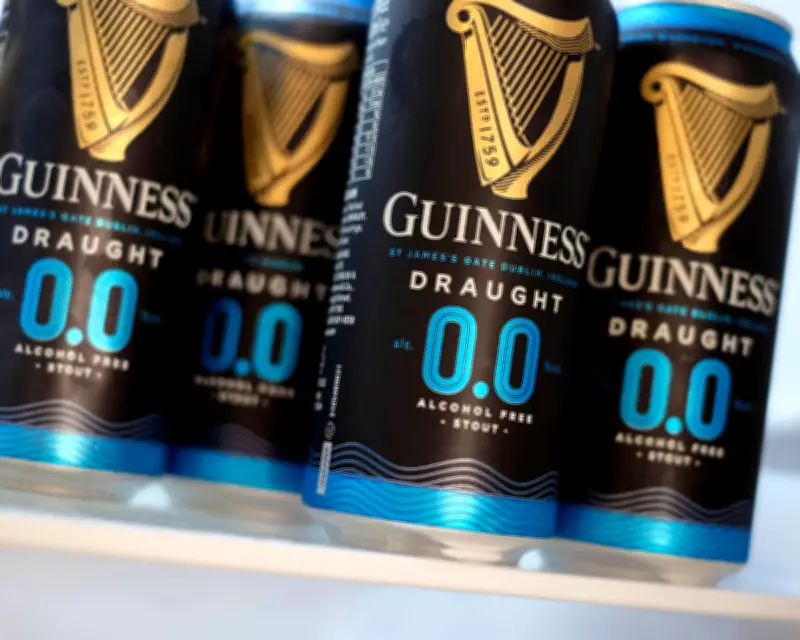
Alcohol-Free Beer, Hummus, and Pet Grooming Added to UK Inflation Basket
The Office for National Statistics (ONS) has updated its inflation basket to include alcohol-free beer, hummus, and pet grooming, reflecting significant shifts in UK consumer behavior. These additions are part of a list of 760 items used to calculate key inflation measures, including the Consumer Prices Index (CPI), Retail Prices Index (RPI), and Consumer Prices Index including Housing Costs (CPIH).
Reflecting Health-Conscious Trends
Alcohol-free beer was included after a notable increase in sales and expanded product ranges in stores. The ONS highlighted that this change acknowledges the UK's growing sobriety movement, with many consumers opting for healthier alternatives post-pandemic.
Hummus has also gained a spot in the basket due to its rising popularity among health-conscious individuals. Expenditure on hummus is estimated to reach around £170 million in 2024, driven by dietary preferences and the trend toward low-calorie eating.

Pet Grooming and Other Additions
Pet grooming services have been added to the list, largely due to the increasing demand from owners of smaller dogs, such as labradoodles and poodle-cross breeds. These pets often require regular grooming, making it a significant expense for animal owners.
Other new items include dashboard cameras, with sales hitting approximately £150 million in 2023 and expected to rise further as consumers seek to lower insurance costs and enhance parking security. Motorhomes have also entered the basket, likely linked to a surge in early retirements and travel interests.
Removals and Methodology Updates
To accommodate these new entries, bottled premium lager purchased in pubs and restaurants has been removed from the basket. Additionally, the ONS will replace sheets of wrapping paper with rolls, which are easier to track for pricing purposes.
The ONS is also modernizing its data collection methods. Starting soon, it will scan data from 300 million price points across over 1 billion products sold monthly, replacing the previous system that relied on 25,000 in-store price checks by inspectors.
Economic Context and Future Implications
The updated inflation basket will be used in figures published on 25 March 2026, covering the year to February 2026. This comes amid ongoing economic challenges, with the Bank of England expected to maintain interest rates at 3.75% in its upcoming meeting.
Inflation fell to 3% in January from 3.4% in December, but concerns remain about potential increases in spring and summer due to high oil prices from Middle East conflicts. Financial analysts note that households are bracing for rising costs, which could impact budgeting and spending habits.
Danni Hewson, head of financial analysis at AJ Bell, commented that these basket changes mirror broader lifestyle shifts, including healthier choices and pet ownership trends, which are now integral to understanding inflation's impact on daily life.






