Food Inflation Accelerates as Industry Warns of 'Storm Clouds Gathering' Over Prices
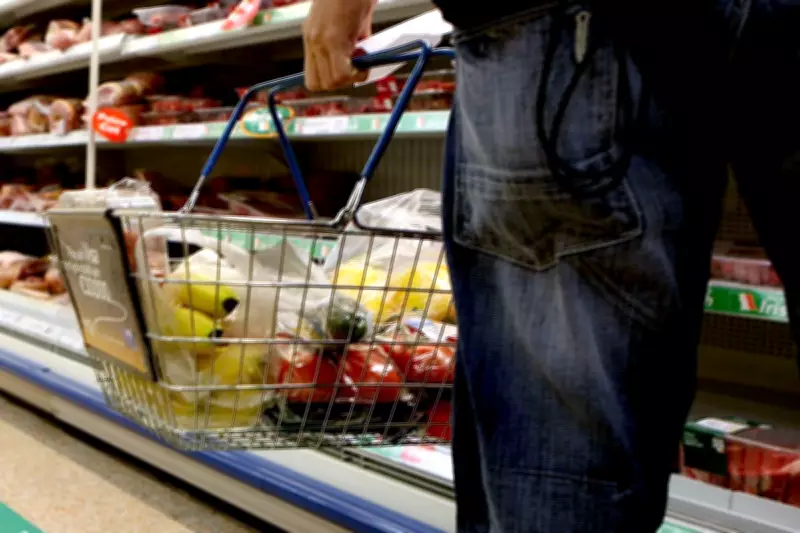
Food inflation has begun a concerning upward trajectory, with industry leaders issuing stark warnings that "storm clouds are gathering" over the prospect of potential double-digit food inflation emerging later this year. According to the latest data from the Office for National Statistics, the rate of food inflation increased to 3.7 percent in the year to March, marking a rise from the 3.3 percent recorded year-on-year to February.
This persistent elevation in food inflation remains notably above the headline rate of inflation, which itself climbed to 3.3 percent. Retailers across the United Kingdom are bracing for significant impacts from soaring energy costs and supply chain disruptions, largely attributed to the ongoing conflict in Iran.
Key Drivers of Rising Food Prices
The detailed statistics reveal that food and non-alcoholic drink inflation grew by 0.3 percent month-on-month to March. Specific categories experiencing the most rapid price increases include beef and veal, which surged by 18.8 percent, whole milk at 12.7 percent, and confectionery with an 11.1 percent rise. Additional significant contributors to the high food inflation figures are coffee and tobacco products.

In response to these mounting pressures, industry figures are urgently calling on the government to implement targeted energy tax breaks. These measures would specifically aid the most energy-intensive segments of food production, such as coffee, sugar, and bread manufacturing, to help mitigate cost escalations.
Select Price Declines Amid Overall Increases
Despite the broader inflationary trend, prices actually decreased for nine distinct categories in the year to February. Notable declines include flour, which dropped by 6.8 percent, olive oil falling by 6.2 percent, and pizza prices reducing by 2.6 percent.
This context follows recent controversy where Walter Zanre, the boss of olive oil giant Filippo Berio, accused British supermarkets of "taking the mickey" by not passing on recent price reductions to consumers. Zanre claimed that grocers have failed to adequately reflect these lower costs in retail pricing over recent months.
Industry Calls for Government Intervention
On Tuesday, the Food and Drink Federation, representing approximately 12,000 UK food and drink manufacturers, issued a formal call for government intervention to halt food inflation before it becomes "too late." The FDF projects that food inflation could potentially soar to between nine and ten percent this year if current trends persist unchecked.
Drawing parallels to historical patterns, the FDF notes that after Russia's invasion of Ukraine in February 2022, food inflation initially trailed headline inflation for several months before spiking dramatically in June, eventually reaching more than double the overall inflation rate. The federation suggests a similar lag effect could materialize from the energy crisis triggered by the Iran conflict, with the comparative spike in food inflation yet to fully manifest.
Economic Warnings and Retail Perspectives
Reacting to the ONS statistics, FDF chief economist Liliana Danila emphasized that "the clouds are gathering" over the food sector. Danila stated, "The war in Iran has delivered a cost shock that is already too large for manufacturers to absorb in full. The impact on prices will take time to work its way through the system, but it's only a matter of time before it does."
Harvir Dhillon, an economist at the British Retail Consortium, echoed these concerns while calling for government support to help retailers avoid passing excessive price hikes onto consumers. Dhillon explained, "As a more energy intensive sector, supermarkets and their supply chains are likely to be disproportionately affected. With food prices set to rise, it is lower income households that will be hit hardest. The government must target support towards these retailers, in particular looking at non-commodity charges which push up the cost of businesses' energy bills."

However, not all industry voices align with these warnings. Last week, Tesco's chief executive stated he "does not recognize" the food inflation alert issued by the FDF. Meanwhile, Sainsbury's is poised to provide a crucial update on whether food inflation is indeed on the horizon when the grocery giant releases its full-year results tomorrow.