New data reveals that British optimism about the state of the UK economy has collapsed to its lowest point since records began, delivering a fresh blow to Chancellor Rachel Reeves. The Ipsos Economic Optimism Index, published on Wednesday, shows a net optimism score of -72, indicating widespread pessimism among the public.
Record Low Economic Confidence
The survey found that a staggering 78 percent of Brits expect the economy to deteriorate over the next twelve months. Only six percent believe conditions will improve, while twelve percent anticipate they will remain roughly the same. This level of economic gloom surpasses even the darkest days of the COVID-19 pandemic and the cost-of-living crisis triggered by Russia's invasion of Ukraine in 2022.
Historical comparisons show previous lows included January 1980 during a severe recession and July 2008 amid the global financial crisis. The current reading represents the most pessimistic outlook since Ipsos began collecting this data in 1978.

Economic Concerns Top Public Worries
The economy has now overtaken immigration as the primary concern for Britons, with 33 percent identifying it as the biggest issue facing the country compared to 32 percent for immigration. Inflation concerns have also surged ahead of defense and foreign affairs issues, particularly amid escalating worries about knock-on effects from the conflict in Iran.
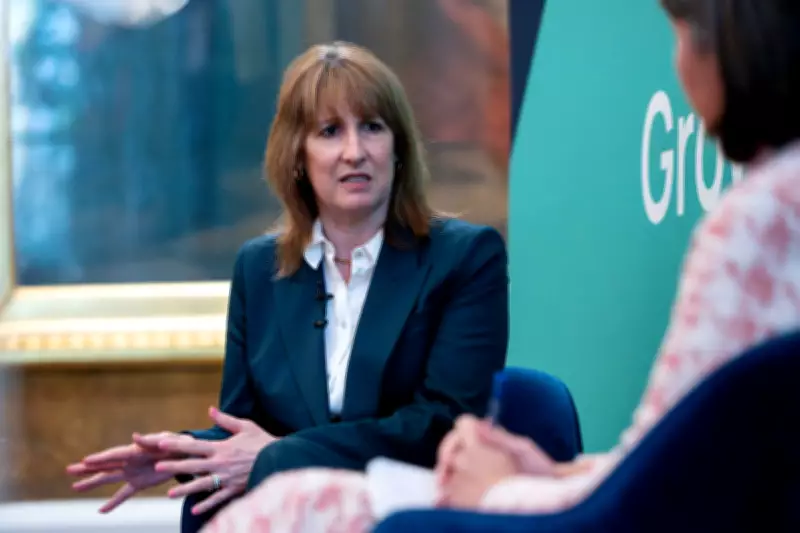
Gideon Skinner, Ipsos' senior director of UK politics, commented: "While attention focuses on Westminster, this data reminds us that the public remains deeply concerned about the economy, inflation, immigration, defense, and public services. Dissatisfaction with the state of the country has been entrenched for some time."
Political Implications and Global Context
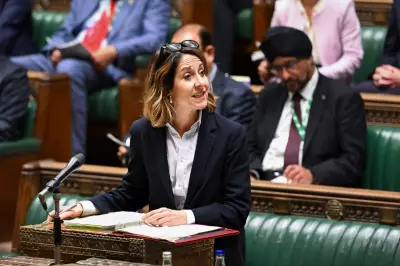
Skinner added that although the public recognizes the UK faces significant global economic headwinds, "Labour needs to convince voters they can deliver a more optimistic economic outlook if they want to improve their political fortunes." The data comes on the same day inflation ticked up to 3.3 percent, adding pressure on policymakers.
Interest Rate Uncertainty Looms
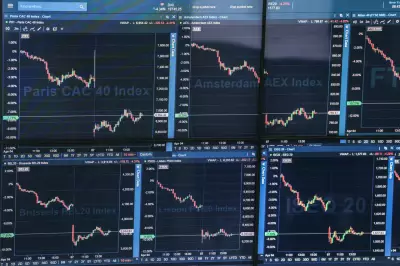
The Bank of England's Monetary Policy Committee will meet next week to decide on interest rates. Some economists predict at least one rate hike in 2026 in response to energy price shocks, though Governor Andrew Bailey has cautioned against speculation about multiple increases this year.
City analyst Simon French noted that policymakers have pledged to set a "high bar" for any rate changes. The previous energy shock following Ukraine's invasion sent inflation spiraling to 11 percent and interest rates to 5.4 percent from a baseline below one percent.
In a paradoxical silver lining, investment bank Berenberg recently argued that the UK's weak labor market may prevent a repeat of such extreme inflation levels. However, this offers little comfort to Brits facing the bleakest economic outlook in nearly five decades.