

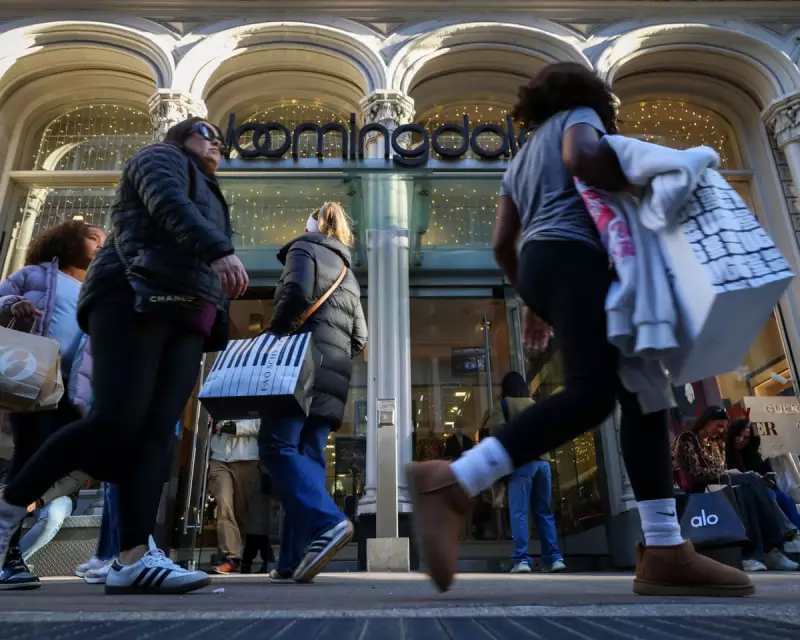
As 2025 draws to a close, the economic narrative in the United States is one of starkly conflicting signals. President Donald Trump champions a period of unprecedented prosperity, yet the government's own statistical report cards depict a far more turbulent and fragile picture for the first year of his second term.
The Inflation Conundrum: Promises Versus Persistent Prices
A cornerstone of Trump's 2024 re-election campaign was a vow to tackle the high cost of living that plagued many Americans post-pandemic. He promised not merely to slow inflation but to reduce prices themselves. However, the reality of 2025 has seen inflation hold stubbornly firm.
Economists point to the president's sweeping tariffs on imports as a key risk, potentially driving costs higher rather than lowering them. This policy move has created a significant tension between the administration's rhetoric and the economic indicators, leaving the battle against rising prices unresolved.

Employment Stagnation and a Rising Jobless Rate
The post-pandemic jobs surge had already lost momentum by 2024. Trump pledged a "manufacturing renaissance" to re-ignite hiring, but this revival has failed to materialise. Over the summer, labour force growth appeared to stall entirely.
The economy shed jobs in both June and August. A particularly sharp blow came in October, amid the longest government shutdown in US history, with an estimated loss of 105,000 positions. While delayed data showed a modest rebound of 64,000 jobs in November, the overarching trend has been concerning.
Consequently, the unemployment rate has climbed steadily throughout the year. By November, it reached 4.6%, its highest level since September 2021. The president has contested this figure, arguing that reductions in the federal workforce are to blame. However, federal employment has fallen by 271,000 since January, while the total number of unemployed Americans has risen by approximately one million.
A Rollercoaster of Growth and Interest Rate Tensions
The headline measure of economic health, Gross Domestic Product (GDP), has been on a wild ride in 2025. The economy contracted in the first quarter, partly due to an influx of imports ahead of expected tariffs, before rebounding in the second and gathering unexpected steam in the third quarter with strong growth.
Overall, the US economy is projected to expand by around 2% this year, following 2.8% growth in 2024. Yet, this aggregate figure masks volatility and the disconnect many feel between macroeconomic data and daily financial pressures.
This tension extends to monetary policy. The Federal Reserve, under Chair Jerome Powell, began cautiously lowering interest rates from their two-decade high. Trump, however, demanded rapid cuts to spur growth, publicly berating Powell. While the Fed initially resisted political pressure, Trump's move to appoint more sympathetic officials to its board has sown division, setting the stage for a potential shift in policy direction when Powell's term ends.
President Trump promises a historic economic boom. Yet, as with his predecessor Joe Biden, the ultimate challenge may not solely be delivering growth on paper, but ensuring that its benefits are tangibly felt by American households navigating a landscape of mixed signals and persistent economic anxieties.






