

In 2025, the United Kingdom experienced a profound and overdue shift in its national discourse, moving the struggles of boys and men from the fringes of the internet squarely into the mainstream. What began with a hard-hitting Netflix drama evolved into a year of high-profile campaigns, policy changes, and a growing consensus that the specific challenges facing males could no longer be ignored.
From Screen to Street: Catalysts for a National Conversation
The year's dialogue was ignited by the Netflix series Adolescence, a drama that depicted the radicalisation of a 13-year-old boy online, leading to a fatal attack on a female classmate. The show was described by the Prime Minister as a "really hard watch" and prompted a police force to call it a "wake-up call for parents". It forced a widespread examination of the toxic influence of the so-called 'manosphere'.
This was swiftly followed by stark warnings from influential figures. Former England football manager Gareth Southgate cautioned about "callous, manipulative and toxic influencers" early in the year. Research from the Centre for Social Justice, titled Lost Boys, presented compelling evidence that boys were being left behind in areas from educational achievement to psychological wellbeing.

Action and Advocacy: The Policy Response
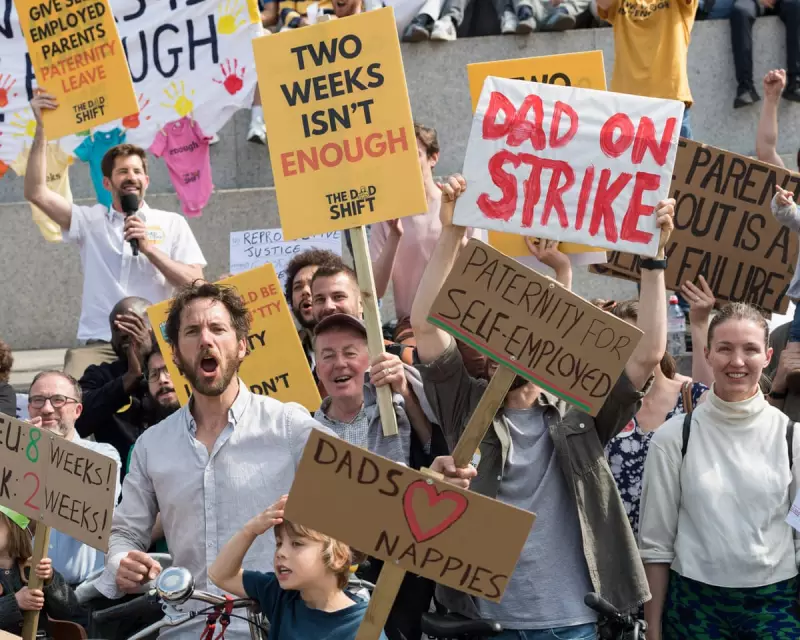
The growing awareness soon translated into tangible action and public protest. In a landmark event in June, fathers gathered in London and Edinburgh for the UK's first-ever "Dad strike", demonstrating against the country's inadequate statutory paternity leave provisions.
By November, the government had launched the first-ever Men's Health Strategy for England. A month later, its refreshed Violence Against Women and Girls strategy included a specific focus on preventing misogynistic attitudes in boys. Meanwhile, within Parliament, a group of Labour MPs formed a formal parliamentary group dedicated to men and boys.
Natalie Fleet, the MP for Bolsover, used an International Men's Day debate to highlight positive male role models in her community, stating: "These are men in our communities doing the right thing, who we need to find and amplify."
The Digital Battlefield and Cautious Optimism
Despite these efforts, the influence of controversial figures like Andrew Tate remained potent in 2025; a poll found a fifth of UK males aged 16-29 who knew of him viewed him positively. In response, organisations like Movember and Equimundo launched the Young Men and Media Collective in October, funding influencers to promote healthier versions of masculinity.
Adam Thompson, MP for Erewash, reflected a nuanced view gaining traction: "I'm a strong believer that the patriarchy is harmful to both men and women. It's not a zero-sum game." However, campaigners like Joeli Brearley of Pregnant Then Screwed urged caution, warning that the vital conversation about boys must not silence ongoing discussions about the specific challenges still faced by women.
As the year closed, there was a sense of fragile progress. George Gabriel, co-founder of The Dad Shift, summarised the mood: "The challenge is real. But I think we can acknowledge that while the situation is dire, we can also have some optimism that we are starting to find a path forward." 2025 may well be remembered as the year Britain began to seriously confront the complex reality of modern boyhood and manhood.






