

Cuba's Power Grid Collapses in Third Nationwide Blackout Amid US Oil Blockade
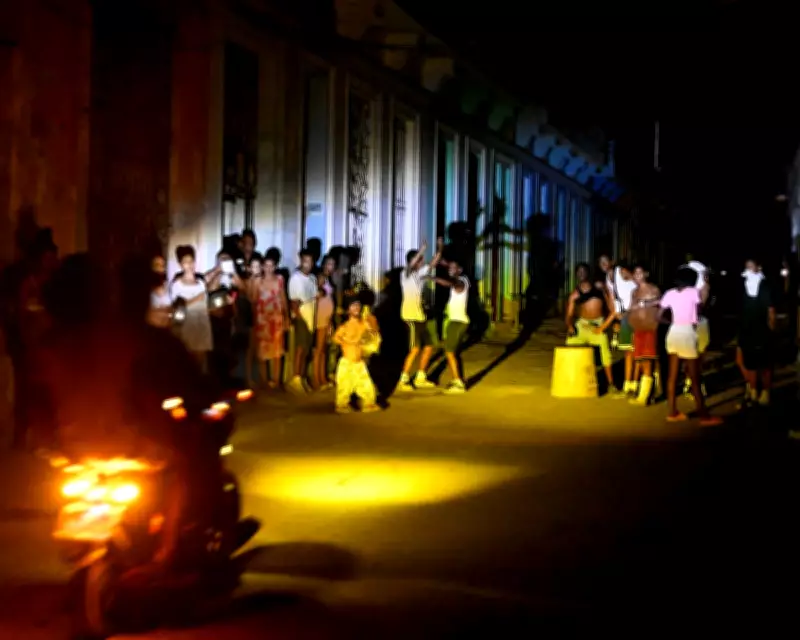
Cuba's national electric grid suffered a catastrophic collapse on Saturday, plunging the entire island into darkness and leaving approximately 10 million people without electricity. This marks the third nationwide blackout in March alone, as the communist government grapples with a severely decaying infrastructure and a crippling US-imposed oil blockade.
Immediate Cause and Cascading Effects
The Cuban Electric Union, which operates under the Ministry of Energy and Mines, initially announced a total blackout across the island without providing a specific cause. Later reports revealed that the outage was triggered by an unexpected failure of a generating unit at the Nuevitas thermoelectric plant in Camagüey province.
According to a detailed report from the Ministry of Energy and Mines, this initial failure caused a cascading effect that knocked other online machines offline. In response, authorities activated emergency "micro-islands" of generating units to provide limited power to vital centers, including hospitals and water systems. Restoration efforts are currently underway, but the situation remains critical.

Chronic Infrastructure and Fuel Shortages
Power outages, whether nationwide or regional, have become alarmingly common over the past two years due to breakdowns in Cuba's ageing electrical infrastructure. These systemic failures are compounded by daily blackouts lasting up to 12 hours, caused by severe fuel shortages that further destabilize the grid.
The most recent nationwide blackout occurred just days earlier on Monday, making Saturday's outage the second in a single week and the third this month. The frequency and severity of these blackouts have created a national crisis that severely disrupts daily life across the island.
Impact on Daily Life and Economy
The blackouts have devastating consequences for Cuban citizens, significantly reducing working hours and making basic activities like cooking and food refrigeration extremely difficult. Hospitals have been forced to cancel surgical operations, putting lives at risk and straining an already overburdened healthcare system.
President Miguel Díaz-Canel has revealed that Cuba has not received oil from foreign suppliers for three months, leaving the country producing barely 40% of the fuel needed to power its economy. This fuel crisis has exacerbated the electrical grid's vulnerabilities and created a perfect storm of infrastructure failure.
US Sanctions and Geopolitical Factors
While Cuba's ageing power grid has drastically eroded in recent years, the government has pointed to US energy sanctions as a major contributing factor. The Trump administration warned in January of imposing tariffs on any country that sells or provides oil to Cuba, effectively tightening an already restrictive blockade.
The US demands that Cuba release political prisoners and implement political and economic liberalization before sanctions can be lifted. Former President Donald Trump has repeatedly suggested that Cuba's government is on the verge of collapse and has even raised the possibility of a "friendly takeover" of the island nation.
Compounding Cuba's energy crisis is the removal of Venezuela's leadership, which halted critical petroleum shipments from what had been Havana's most steadfast ally. This geopolitical shift has left Cuba increasingly isolated and struggling to secure the fuel needed to maintain basic infrastructure operations.
The combination of ageing infrastructure, severe fuel shortages, and international sanctions has created a humanitarian crisis that shows no signs of immediate resolution. As blackouts become more frequent and prolonged, the daily lives of millions of Cubans continue to be disrupted, with the electrical grid's stability remaining a critical concern for the nation's future.






