

Australia Grapples with Widespread Fuel Shortages as Government Secures Critical Singapore Agreement
Hundreds of petrol stations across Australia have reported running out of fuel, intensifying a national crisis that has prompted the federal government to ink a crucial supply deal with Singapore, one of the country's primary sources of refined petroleum. The agreement aims to maintain the flow of diesel and petrol, but concerns are mounting over broader supply chain issues, including fertiliser and other chemicals, adding pressure to the Albanese government's strategy of leveraging overseas coal and gas exports to manage the situation.
State-by-State Breakdown of Fuel Outages Revealed in Parliament
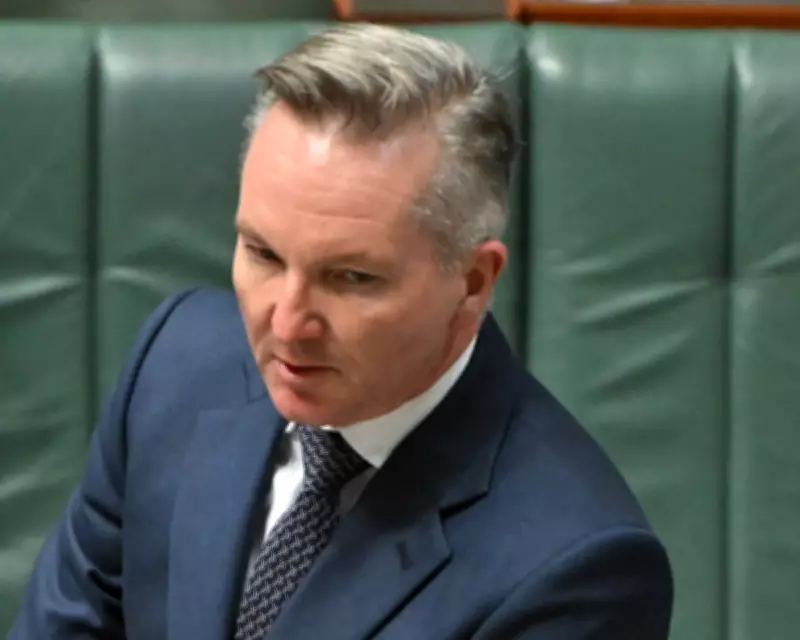
Energy Minister Chris Bowen addressed federal parliament on Monday, disclosing alarming statistics on fuel shortages. In Victoria, 109 outlets have exhausted at least one grade of petrol, while Queensland faces 47 stations without diesel and 32 lacking regular unleaded. New South Wales has 37 stations out of petrol, with Premier Chris Minns earlier noting 105 outlets in the state were without diesel. Bowen did not provide data for Western Australia, the Northern Territory, South Australia, or Tasmania, and declined to specify when the government learned about six cancelled oil shipments, describing it as an "iterative process."
Government Emphasizes Public Information Over Immediate Rationing
Bowen reiterated that fuel rationing is not an immediate prospect, despite "prudent contingency planning" by his department. He highlighted that state governments have been delegated "significant powers" to address the crisis, with public information campaigns and appeals for fuel conservation as the initial steps. "That indicates the public restraint, public information campaigns and requesting people to save fuel would be the first step, and that only after that, would any further actions be considered. I made clear yesterday, I think we're a long way from that," Bowen stated. Government sources confirmed that state powers would be activated before any federal declaration of a national fuel emergency.

Singapore Deal and Global Energy Supply Chain Concerns
Prime Minister Anthony Albanese and Singaporean Prime Minister Lawrence Wong issued a joint statement reaffirming their commitment to energy trade, emphasizing the flow of essential goods like petroleum oils and liquefied natural gas. Singapore is a major oil importer to Australia, and fears have grown that nations might prioritize domestic consumption over exports, following Malaysia's recent announcement to "prioritise our own needs." The statement called on other trading partners to keep global energy supply chains open for security and prosperity.
Leveraging Fossil Fuel Exports as a Bargaining Chip
Government sources indicated that Australia plans to use its status as a top gas exporter and significant coal supplier to secure continued oil imports. While discussions on a potential gas profits tax continue, the government views these exports as leverage in negotiations. Nationals leader Matt Canavan supported this approach, stating, "It's the only way, that coal and gas, that we're going to be able to keep our fuel and fertiliser coming to our country." He emphasized Australia's advantageous position in trading with countries that rely on its fossil fuels.
Political Divisions and Sanctions Debate Emerge
Shadow resources spokesperson Susan McDonald suggested considering lifting sanctions on Russian-produced fertiliser if supply issues persist, but Canavan distanced himself from this proposal, advocating for exhausting other options first to avoid undermining support for Ukraine. The government maintains a policy of not commenting publicly on sanctions, with no imminent changes expected to Australia's regime. This crisis echoes past fuel rationing in the 1970s, raising questions about modern preparedness and response strategies.






