

IEA Director Compares Iran Conflict Energy Impact to Historic 1970s Oil Shocks and Ukraine War Fallout
The global energy crisis triggered by the war in Iran represents a combined force equivalent to the twin oil shocks of the 1970s plus the market disruptions following Russia's invasion of Ukraine, according to a stark warning from the head of the International Energy Agency.
Unprecedented Market Disruption from Gulf Conflict
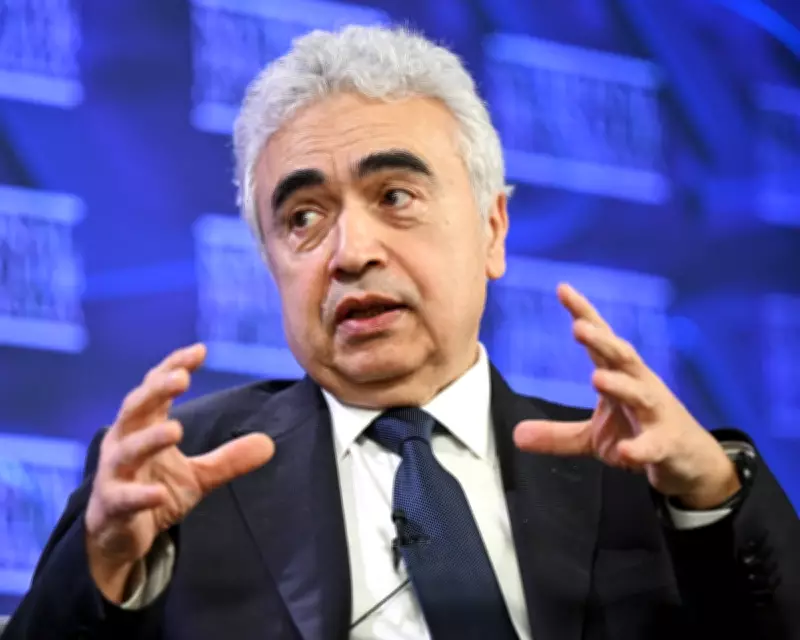
Fatih Birol, the IEA's executive director, revealed during an address at Australia's National Press Club in Canberra that the conflict has already resulted in the loss of approximately 11 million barrels of oil per day alongside about 140 billion cubic meters of natural gas. This devastating impact began with bombings against Tehran's regime on February 28 and has been exacerbated by the strategic closure of the Hormuz Strait.
"This crisis, as things stand now, is two oil crises and one gas crisis put all together," Birol told journalists before meetings with Australian Prime Minister Anthony Albanese, emphasizing that world leaders initially failed to grasp the full depth of the energy market problems.

Vital Economic Arteries Severely Compromised
The IEA chief warned that the growing fallout could be seriously compounded through interruptions to what he described as "vital arteries of the global economy," including critical supplies of petrochemicals, fertilizers, sulphur, and helium. At least 40 energy assets in the Gulf region have sustained severe or very severe damage, meaning even an immediate end to hostilities would not quickly restore normal energy supply.
Birol contextualized the current crisis by comparing it to historical precedents: the 1973 and 1979 oil crises removed about 5 million barrels daily, while Russia's 2022 invasion of Ukraine cut approximately 75 billion cubic meters of natural gas from international markets.
Emergency Measures and Geopolitical Tensions
On March 11, the IEA oversaw the largest emergency measure in its history—releasing 400 million barrels of oil from strategic reserves. Birol confirmed he is consulting with leaders across Asia, Europe, and North America about potential additional releases, noting the initial action represented only 20% of overall stocks.
"Our stock release will help to comfort the markets, but this is not the solution," Birol cautioned. "It will only have to reduce the pain on the economy."
The closure of the Hormuz Strait—through which roughly 20% of global oil supply transits—has created particular anxiety, sparking shortages despite a surplus in oil markets at the start of 2026. U.S. President Donald Trump issued Iran a 48-hour weekend ultimatum to reopen the waterway, threatening destruction of Iranian energy infrastructure if Tehran refused compliance.
Regional Impacts and Global Consequences
Birol identified the Asia Pacific region as especially affected by the strait's closure, stating that "the single most important solution to this problem is opening up the Hormuz strait." In response to Trump's threat, Iran's army vowed to target energy and desalination infrastructure belonging to the U.S. and regional allies.
The IEA director expressed concern about countries adopting defensive positions on fuel holdings, particularly in Asian nations, while noting Europe is experiencing diesel and jet fuel supply changes. Increased production in Canada and Mexico may provide some relief.
"I think no country will be immune to the effects of this crisis if it continues to go in this direction," Birol concluded, "so there is a need for global efforts."
Geopolitical tensions continue to escalate, with Trump criticizing NATO members plus Australia, Japan, and South Korea for not assisting with the strait situation. Japan indicated Sunday it might consider military deployment for minesweeping operations if a ceasefire is achieved.






