

Water Bill Complaints Surge by 50% Amid Steep Price Increases
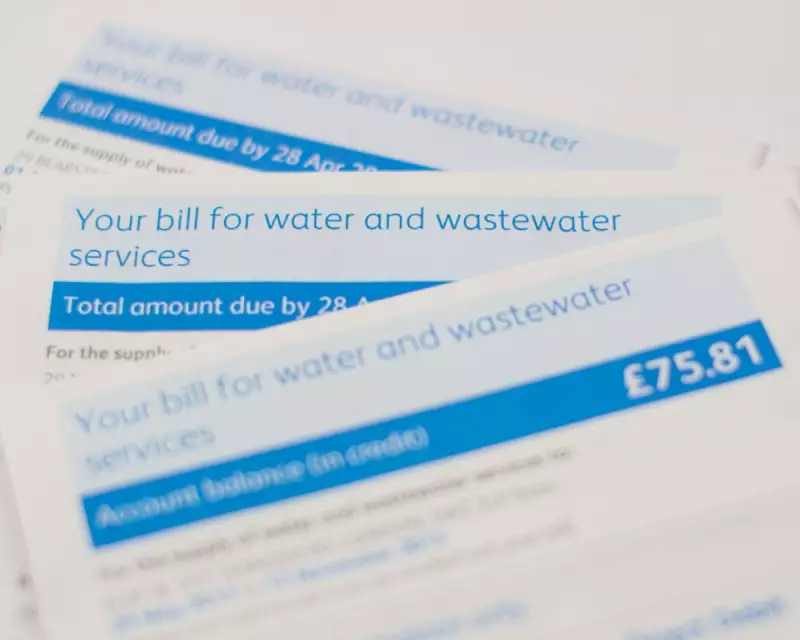
Customer complaints about water companies in England and Wales have surged dramatically, with a more than 50% increase reported last year. According to the Consumer Council for Water (CCW), the independent monitor received over 16,000 complaints in 2025, up from 10,600 in 2024.
This significant rise reflects growing public frustration as households grapple with steep bill increases. The flow of objections remained consistently high from March onwards, well above the levels seen in the previous year.
Regulatory Changes Drive Complaint Surge
The sharp increase in complaints coincides with water companies being permitted to raise bills to fund much-needed infrastructure upgrades. Ofwat, the water regulator for England and Wales, approved a 36% increase in bills between 2025 and 2030, with the majority of this hike implemented last April.

Water companies are now preparing for further backlash as the next round of bill increases, including adjustments for inflation, are announced this week as part of the five-year pricing plan.
Southern Water Leads Complaint Figures
Complaints increased across every major water provider, according to CCW data. Southern Water recorded the highest number of complaints per customer, followed by Severn Trent and Thames Water among utilities serving more than one million customers.
The CCW handles issues that have not been resolved directly by the water companies themselves, making their complaint figures a significant indicator of customer dissatisfaction.
Affordability Concerns Dominate Complaints
Mike Keil, Chief Executive of the CCW, highlighted the primary concerns driving the complaint surge. "The sustained rise in complaints to CCW reflects not only people's worries about being able to afford increases in their water bill, but also confusion and concern around what they are getting in return for their money," he stated.
Keil emphasised that customers need tangible evidence that their money is improving services immediately, while also addressing longer-term challenges.
According to CCW data, affordability concerns represented by far the biggest reason for complaints during 2025. This has strengthened calls for introducing a standardised "social tariff" across England and Wales to support poorer customers.
"The postcode lottery created by existing water company social tariff schemes needs to be replaced by fairer and better targeted support," Keil added.
Industry Response and Public Perception
A spokesperson for Water UK, the industry body, acknowledged the challenges facing households. "We understand that bill increases are never welcome and recognise they are difficult for many households," they said.
The spokesperson highlighted that water companies are more than doubling available financial support, with £4.1 billion allocated over the next five years for customers in need.
Public anger has been further fuelled by perceptions that water companies continue to pay substantial dividends to investors while awarding significant compensation packages to executives, despite bonus bans at some firms.
Political Scrutiny Intensifies
MPs on the public accounts committee recently questioned executives from Ofwat and the government's environment department about executive pay in the water industry. This followed revelations that bosses at Yorkshire Water and Wessex Water had received previously undisclosed payments from other companies within the same corporate groups.
Anna Dixon, Labour MP for Shipley, called for regulators to "crack down" on what she described as "water companies evading the bonus ban."
Lloyd Hatton, Labour MP for South Dorset, criticised regulatory bodies for inadequate oversight of water companies' pay disclosure practices. "Why is it we wait for a report in the Guardian newspaper to understand exactly how water companies are operating and how they use those complex corporate structures to put extra pay behind their bosses?" he asked Ofwat representatives.

Unique Position of England's Water System
England remains the only country in the world with a fully privatised water system. This contrasts with Scotland and Northern Ireland, where water supply is government-controlled, and much of Wales, which is served by the not-for-profit Dŵr Cymru.
The combination of privatisation, significant bill increases, and perceived corporate excess has created a perfect storm of customer dissatisfaction that shows no signs of abating as further price rises loom on the horizon.





