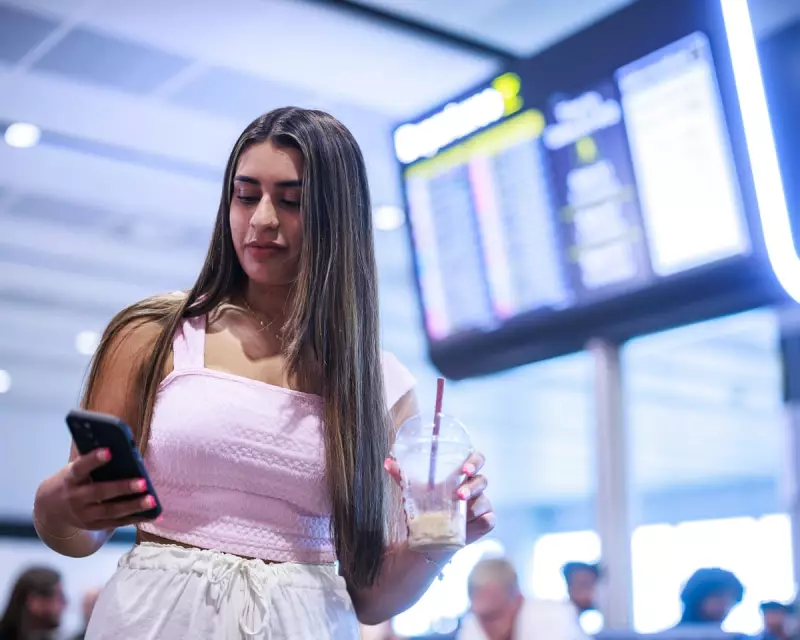
Forget the pre-flight pint. A new generation of travellers is radically reshaping the UK airport experience, swapping alcohol for antioxidant-rich superfoods and in-flight skincare routines.
The Rise of the Wellness Traveller
Data from the Manchester Airport Group (MAG), which operates Manchester, Stansted, and East Midlands airports, reveals a dramatic shift in consumer habits led by younger passengers. The most striking change is the meteoric rise of matcha green tea, with sales skyrocketing by 165% across the three hubs this year.
This surge is attributed largely to the influence of social media platforms like TikTok, where influencers have championed the Japanese tea as the ultimate wellness drink. In total, 61,500 more cups of matcha were sold this year compared to 2024, with Stansted Airport alone recording 70,000 sales—nearly 200 every day.

But the wellness wave doesn't stop there. Sales of super smoothies and gut health shots have exploded by 650% and 102% respectively, far outpacing interest in traditional £7 airport beers. Even the journey itself has become a self-care ritual, with a social media trend for "skincare in the sky" driving a staggering 399% increase in sales of onboard face masks.
A Generational Shift in Travel Habits
These trends reflect the healthier and more image-conscious preferences of Generation Z—those born between 1997 and 2012. This cohort is increasingly opting for city breaks and wellness retreats over the rowdy 18-30 package holidays of the past.
Andrew MacMillan, Chief Strategy Officer at MAG, stated: "This data shows the influence of our younger passengers. Generation Z are creating their airport experiences strongly influenced by AI and social media. These travellers both want to follow trends and set them."
Their influence is also seen in travel accessories. More than 10,000 Stanley drink bottles, a must-have item promoted by online influencers, were sold at the three airports this year—a six-fold increase since they launched in 2024.
AI, Destinations, and Future Trends
The transformation extends beyond retail. Artificial Intelligence is acting as a "virtual travel agent," with a recent MAG survey finding that one in four passengers under 25 has used or plans to use tools like ChatGPT to plan their trips.
Destination choices are evolving too. While classic party spots like Tenerife and Palma remain popular, Gen Z is more likely to seek out city breaks to Barcelona, Amsterdam, Dublin, and New York. There's also a growing appetite for alternative destinations, fuelled by social media trends for "destination dupes." Flights to Albania, Bulgaria, and Romania doubled among under-25s last year, according to Civil Aviation Authority figures.
For those with bigger budgets, long-haul trips to trending cities like Buenos Aires, Busan, and João Pessoa are in vogue. Yet adventure can also be found closer to home, with stargazing in Northumberland recently named a top global travel trend for 2026.
While pre-flight pints are not disappearing entirely, the data presents a clear picture: the health-conscious, digitally-savvy habits of Generation Z are now dictating the rhythm of the modern departure lounge.