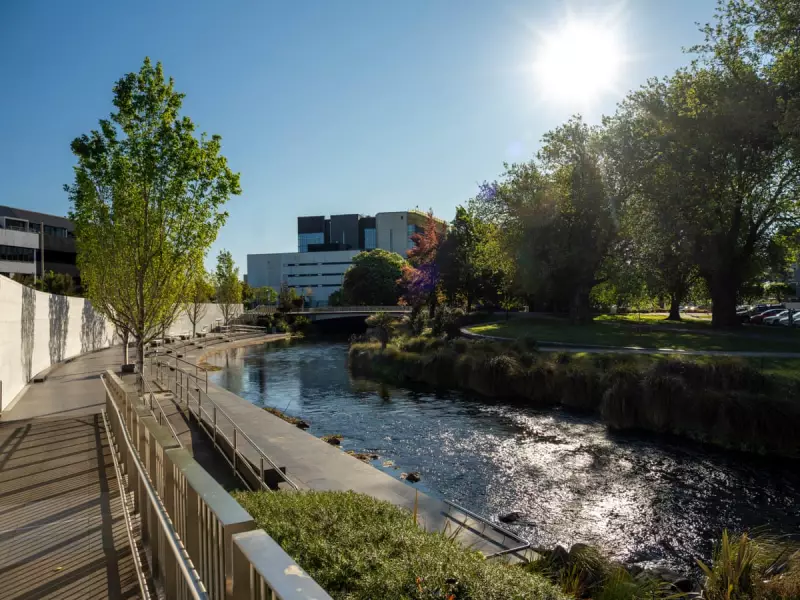
Christchurch, New Zealand's second-largest city, has undergone a profound transformation, shedding its conservative past to become the nation's self-proclaimed 'capital of cool'. Mayor Phil Mauger heralds the city's new era, marking a stark departure from a decade defined by devastating natural disasters and a horrific terrorist attack.
A Decade of Adversity and Resilience
The city's journey from crisis to cool has been hard-won. In February 2011, a catastrophic 6.3-magnitude earthquake struck, claiming 185 lives, devastating tens of thousands, and reducing 80% of the central city to rubble. This was followed by destructive Port Hills fires in 2017 and the 2019 terrorist attacks on two mosques, which killed more than 50 people.
"When the ground literally shifted beneath us, when hatred struck at the heart of our community, and when our Port Hills caught on fire, we chose … unity and hope to see us through," Mayor Mauger reflects. This resilience has been the bedrock of a slow, measured rebuild that has physically and spiritually reshaped Christchurch.

The New Allure: Affordability and Vibrancy
Today, Christchurch sits at the heart of New Zealand's fastest-growing region, attracting a steady influx of new residents from the North Island and beyond. Provisional data shows Canterbury's population grew by 1.1%, driven by a net migration gain of 5,300 people for Christchurch alone.
The city's appeal is multifaceted. A key driver is stark housing affordability: the average house value in Christchurch is around NZ$751,000, compared to roughly NZ$1.2 million in Auckland. This economic reality is changing lives. Musician Amelia Murray, who performs as Fazerdaze, moved from Auckland in 2022 after seeing a property listing online. "I could actually afford to buy a house in Christchurch," she says, noting the move gave her "a sense of dignity and pride" and allowed her career to flourish.
Ali Adams, chief executive of ChristchurchNZ, describes the city as a "Goldilocks city": "It’s 20 minutes to get anywhere, it’s big enough for global business and small enough to have a career and balanced lifestyle." Business growth supports this, with Canterbury business locations increasing 2.4% in the year to August 2025—more than double the national rate.
Building a Cultural and Economic Hub
The city's cultural scene is thriving, marked by colourful street art, striking public installations, and new ventures. Entrepreneurs like Liam Kelleher, who returned from London to open Christchurch's first urban cidery, Lillies, feel the city was "ready for something a bit different."
Growth is also evident in education and emerging industries. The University of Canterbury is the country's second-fastest growing university, and the 15-24-year-old population has increased by 6%. Adams points to sectors like health tech and aerospace drawing younger professionals who "want to do work that makes change in the world."
Major new infrastructure promises to cement this status. The NZ$683 million Te Kaha stadium is set to open in the city centre in 2026, and the NZ$300 million Parakiore Recreation and Sports Centre, the country's largest indoor sports and aquatics facility, opens in December.
Yet, as Mayor Mauger emphasises, the resurgence is "not just about bricks and mortar." He credits the city's courage and compassion, stating, "From tragedy has come positivity and resilience." Having been named New Zealand's most vibrant city and topping the 2024 Happy City Index, Christchurch's remarkable rebirth is a powerful testament to its community's spirit.