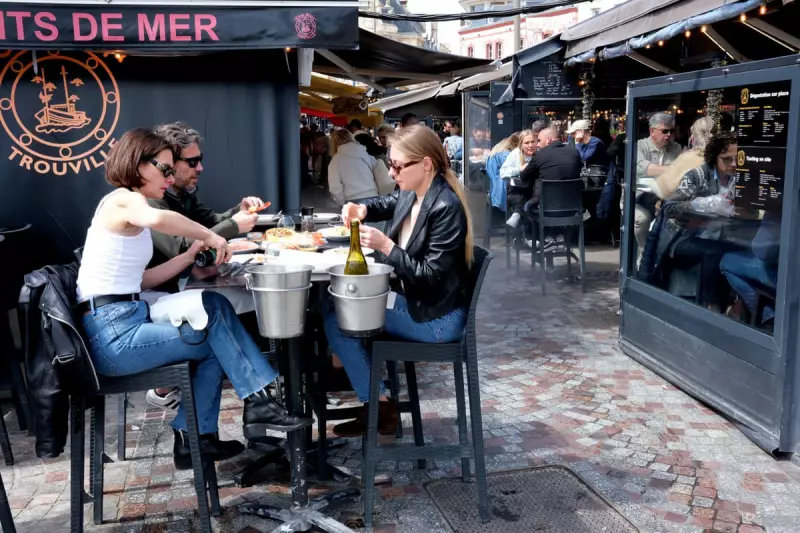
The iconic French restaurant, long a symbol of the nation's sybaritic love for long, boozy lunches, is facing a profound and accelerating crisis. Traditional establishments are shutting their doors at an alarming rate, squeezed by shifting consumer habits and a relentless cost-of-living squeeze.
A Profession in Peril: The Staggering Rate of Closure
Franck Chaumès, president of the restaurant branch of the Union of Hospitality Trades and Industries (UMIH), recently described the situation as a "catastrophe for our profession." The stark reality underpinning his statement is that an estimated 25 restaurants are going out of business every single day across France. In a desperate bid to stem the tide, the UMIH has called on the government to regulate new openings based on local population size and to license only professionals formally qualified in both cookery and accounting.
The landscape of French dining is becoming brutally polarised. The sectors showing resilience are the high-end establishments serving haute cuisine to a wealthy clientele and the ubiquitous fast-food chains, like McDonald's, which continue to thrive. The era where business and politics were conducted over extended, wine-fuelled midday meals has largely vanished. As journalist Paul Taylor recalls, when he started reporting in Paris in 1978, it was futile to contact any ministry between 1pm and 3pm—everyone was à table. Today, only parliamentarians cling to this gluttonous tradition.

The Perfect Storm: Habits, Costs, and Rules
A confluence of factors is driving this crisis. Changing lifestyles see younger generations, Gen Z and millennials, eating and drinking less alcohol, and spending less time at the table. The pandemic acted as a major accelerant; with the rise of hybrid working, fewer than two-thirds of middle-class workers returned to the office full-time, decimating the traditional lunchtime trade.
Alex Diril, a former bar-restaurant owner in Paris's fifth arrondissement, witnessed the change firsthand. "I used to serve 75 covers every lunchtime," he says, describing a clientele of office workers and students. "After the pandemic, customers who used to eat out every day came maybe once or twice a week. You would offer a fresh, healthy plat du jour, and mostly they wanted burgers and fries." Facing rising wholesale food prices and intense competition from fast-food outlets, his business became unsustainable, and he stopped serving food at the end of 2024.
Further blows have come from tax policy and delivery apps. VAT is 5.5% on takeaway meals but 10% on eat-in dining, penalising traditional service. Meanwhile, the popular luncheon vouchers (tickets-restaurant) can now be spent in supermarkets, not just restaurants. The rise of Deliveroo and Uber Eats, often delivering from "dark kitchens" with no dining room, has captured a significant share of the market.
Structural Challenges and an Uncertain Future
Other structural issues compound the problem. The 35-hour working week, introduced in 1998, forced many small restaurants to shorten kitchen hours, making late lunch service a rarity. Post-pandemic, finding staff willing to work unsocial evening and weekend hours has become increasingly difficult.
Ironically, the French government's generous Covid support grants, which left some restaurateurs "unable to believe their eyes," according to Martine David from Saint-Rémy-de-Provence, were followed only by a temporary boom. The long-term trend remained downward.
Restaurateurs now face a bleak choice: switch to reheating mass-produced, pre-cooked meals to cut costs, or attempt a high-wire act with a short, locally sourced, cooked-to-order menu that carries much higher labour costs. Currently, the former approach is proving more viable, signalling a potentially profound shift in the very soul of French culinary culture. The nation that once defined leisurely, sociable dining is now grappling with a future where convenience and extremes dominate.