

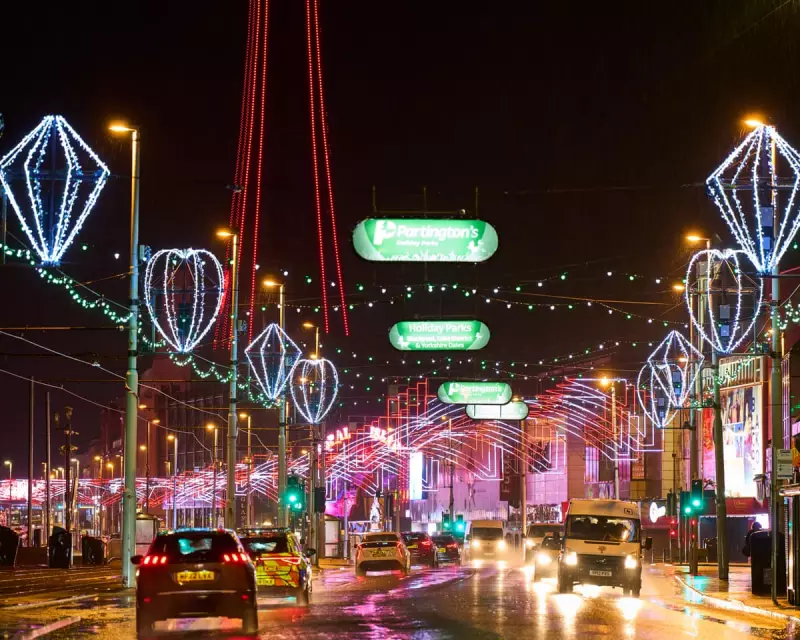
For nearly 150 years, the Blackpool Illuminations have transformed the Lancashire seafront into a dazzling winter spectacle. This iconic event, which began in 1879, is far more than just switching on the lights. It is a year-round operation where a dedicated team of 35 staff design, build, and maintain everything by hand, ensuring the magic returns each season.
Adapting to a Changing Climate
One of the most significant modern challenges for the illuminations team is climate change. The head of illuminations, Richard Williams, explains that stronger winds and wintry weather have forced a complete rethink in how displays are manufactured. Heritage pieces, like the famous Hickory Dickory Dock tableau, have suffered severe damage from gusts.
The solution has been innovative. Instead of using solid wood blocks, new tableaux are now constructed in an open trellis style. This design allows powerful winds to pass through the gaps, drastically reducing the risk of damage. The team maintains a vigilant watch during the season; a yellow wind warning triggers an on-call system, while amber or red warnings see staff patrolling the seafront to address any issues.

Embracing Technology and Tradition
Walking into the illuminations storehouse near Blackpool Airport is a journey through time. A massive black cast-iron drill from 1937 sits alongside a state-of-the-art 3D printer. "We don't buy illuminations at all," Williams states. "We manufacture absolutely everything." This philosophy extends to a relentless drive for energy efficiency.
The team began investing in LED technology back in 1999, a move that has slashed the display's power consumption by a staggering 85%. Continuous improvements mean energy use still falls by about 1% each year. Old displays are rarely retired; they are repurposed, rebuilt, and modernised, blending cherished heritage with fresh innovation. "I think there's room for absolutely everything," Williams muses on finding the right balance between new and traditional.
An Economic Engine for the Town
The illuminations are a powerful economic tool for Blackpool. The season, once confined to late summer and autumn, was extended during the Covid pandemic to run until early January to support local businesses, a pattern continuing this year until the 4th of January. To encourage repeat visits and longer stays, lights are rotated along the six-mile trail, and new interactive installations—like walk-through tunnels and photo-friendly giant baubles—aim to get people out of their cars.
"It's better for them to be walking, but also better for us and the economy," Williams notes, highlighting the boost for seafront cafes and shops. Remarkably, the world-famous light show remains free to view, with voluntary public donations contributing around £90,000 annually.
As the 150th anniversary in 2029 approaches, Williams sees his role as that of a custodian, honoured to preserve the legacy. "Everyone might not have seen them, but they've heard of them," he says, confident that the blend of tradition, adaptation, and community spirit will ensure the lights of Blackpool shine for another 150 years.






