

Europe's Hidden Gem: Liechtenstein's Compact Charm
While many travelers flock to France for skiing, Germany for nightlife, or Italy for historic sights, Europe holds quieter treasures that offer respite from overcrowded tourist hotspots. For those seeking peace and unique experiences, Liechtenstein presents an extraordinary alternative. This miniature nation is so compact that it lacks an airport entirely, creating an exclusive atmosphere for visitors.
A Country of Remarkable Proportions
Nestled between Switzerland and Austria, Liechtenstein ranks as Europe's fourth smallest country with a mere 62 square miles of territory. To grasp its diminutive scale, consider that the United Kingdom spans approximately 94,354 square miles—making it roughly 1,521 times larger than Liechtenstein. Even London alone, at 607 square miles, could contain this tiny nation nine times over. Travel guide publisher Lonely Planet affectionately describes it as a "pipsqueak of a country."
As a completely landlocked territory, Liechtenstein offers no coastal beaches, but it compensates with refreshing aquatic options. The Rhine and Samina Rivers provide cooling spots, while Gampriner Seele—the country's only natural lake—formed after significant Rhine flooding in 1927. This crystal-clear lake has become a beloved destination for picnics and birdwatching enthusiasts.

Journey to the Fairy-Tale Principality
Reaching Liechtenstein requires strategic planning due to its mountainous terrain and absence of an airport. From London, the most efficient route involves flying to Zurich, Switzerland, with flight durations around 1 hour and 45 minutes via carriers like British Airways, Swiss Air, or easyJet. From Zurich, travelers can drive approximately 1 hour and 30 minutes to Liechtenstein or take a train to Sargans followed by a connecting service to Vaduz, the capital city.
Lonely Planet characterizes Liechtenstein as "pure fairy-tale stuff," largely due to Vaduz Castle perched among hills as the residence of an actual prince. While the castle interior remains private, its exterior provides dramatic photographic opportunities overlooking the city.
Outdoor Adventures and Cultural Treasures
Outdoor enthusiasts will find paradise in Liechtenstein's nearly 250 miles of hiking trails—an impressive network for such a small country. Popular routes include The Three Sisters, offering panoramic views of the Rhine Valley and Lake Constance, and the Fürstin-Gina-Weg culminating at Augstenberg in the Eastern Alps. The iconic Pfälzer hut, operating from June through October at 2,108 meters altitude, provides restaurant services and overnight accommodations for mountain explorers.
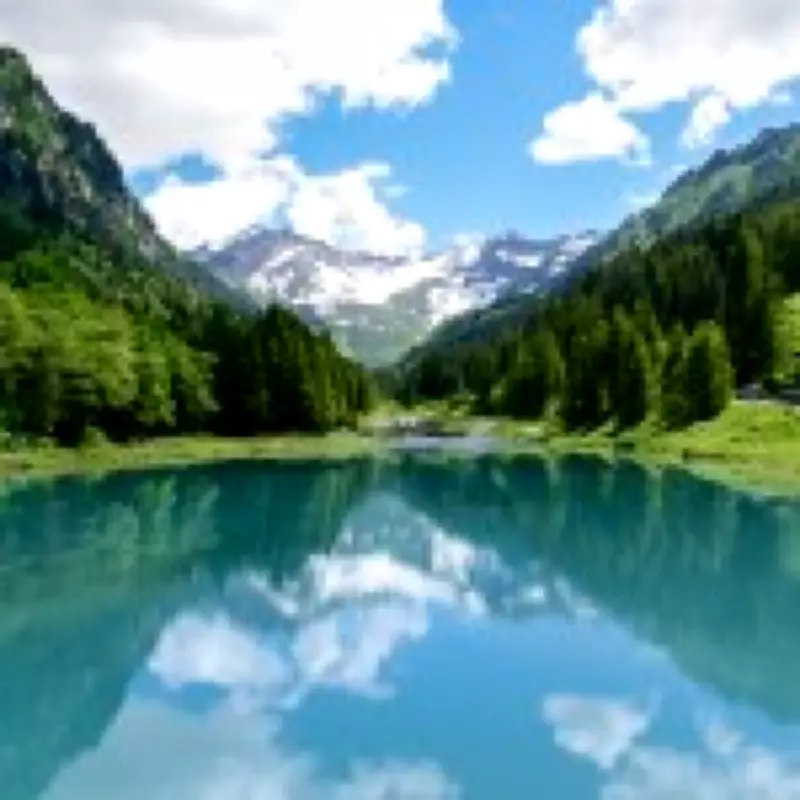
Stausee Steg represents another natural highlight—a stunning lake with brilliant blue waters framed by majestic mountains. This often-overlooked destination typically offers peaceful seclusion for visitors. While public transportation exists, car or campervan rental provides greater flexibility for exploring these remote natural sites.
Vaduz: A Cultural Powerhouse
Despite its small size, Liechtenstein boasts substantial cultural offerings concentrated in Vaduz. The Museum Mile features six institutions within walking distance: Liechtenstein Art Museum, Hilti Art Foundation, Liechtenstein Treasure Chamber, Liechtenstein National Museum, Art Space Engländerbau, and Liechtenstein Post Museum. Attempting all six in one day presents an ambitious challenge for dedicated museum enthusiasts.
Vaduz also showcases impressive public sculptures accessible without admission fees. Notable works include Heinz Mack's "The Prayer," crafted from Norwegian crystalline granite over 400 million years old, and Daniel Spoerri's bronze Renaissance piece displayed along city streets.
Climate Considerations and Seasonal Activities
Liechtenstein's climate offers mild summers rather than intense heat, with average June temperatures reaching 23°C, July peaking at 25°C, and August at 24°C. Visitors should prepare for occasional summer rainstorms alongside sunshine. Winter brings cooler conditions, with January maximums around 5°C and February at 6.8°C, while spring sees pleasant temperatures of 16°C in April and 20.1°C in May.

Beyond hiking, seasonal activities include llama and alpaca trekking in Triesenberg, e-bike rides along the Liechtenstein Weg, and scenic train tours through Vaduz offering castle views. The observation deck at Schloss Vaduz provides spectacular panoramic vistas of the capital and surrounding landscapes.
Europe's Other Compact Destinations
Liechtenstein isn't Europe's only small nation worth discovering. Andorra la Vella, capital of Andorra, stands as Europe's highest capital at 1,023 meters above sea level, covering just 5 square miles—allowing it to fit into London approximately 121 times. Like Liechtenstein, Andorra lacks airports and train stations but attracts visitors with duty-free shopping and extensive spa facilities.
San Marino, completely surrounded by Italy, represents another mountainous microstate without airports or train stations. Travelers frequently describe it as "incredible" and recommend including it in Italian itineraries for its quaint charm and historic appeal.
These compact nations demonstrate that size doesn't determine travel value, offering unique experiences away from mainstream tourist circuits while presenting logistical considerations for transportation and planning.





