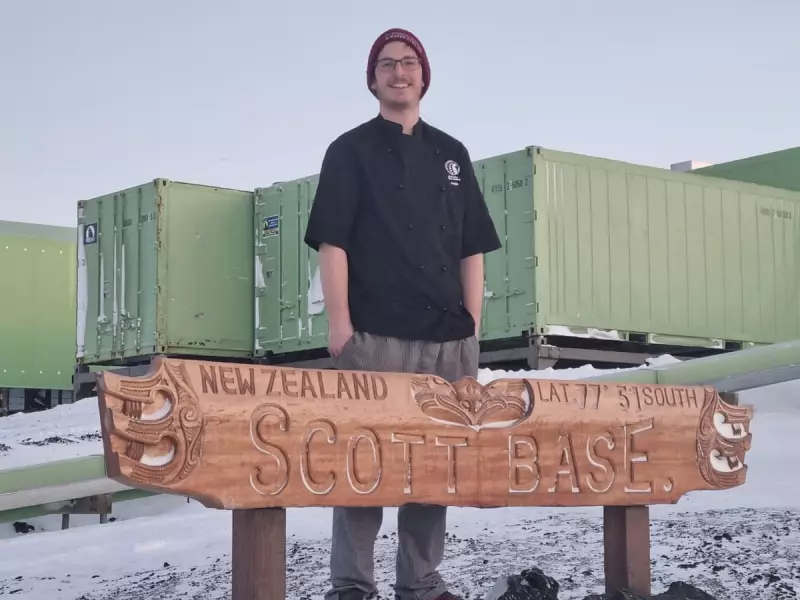
In the world's most remote and hostile environment, where temperatures can plummet to -80°C and the sun disappears for months, a warm meal becomes more than just sustenance—it's a vital lifeline for morale. This is the daily reality for the dedicated chefs who work 'on ice', cooking for scientists and staff at Antarctic research stations like New Zealand's Scott Base.
The Heart of the Base: Kitchens as Social Hubs
For chefs like Al Chapman, who served during the 2021-22 summer season, the dining hall is the bustling social centre of the isolated community. At its peak, he and a small team catered for up to 85 people, serving breakfast, morning tea, lunch, and dinner. Chapman compares it to working in a restaurant, albeit one with occasional penguin sightings from the window. The menu aimed for homely comfort: fresh bread and croissants at breakfast, followed by dinners of curry or chicken Marbella, with baking classes and trays of brownies adding a sweet touch.
A particular favourite were cheese rolls, affectionately dubbed 'southern sushi'. These grilled cheese sandwiches, a speciality from New Zealand's south, vanished almost as soon as they were put out. "People love that taste of home," Chapman notes, highlighting the psychological importance of familiar food in such an extreme setting.

Innovation and Rationing in the Deep Freeze
Fellow chef Paddy Rietveld, a veteran of four Antarctic seasons, understands the need for variety. "New things can go down well, because days can get really repetitive," he says. During a recent 10-month winter stint as the sole chef for a dozen people at Scott Base, he introduced themed nights, like 'American night' every Thursday. This featured barbecue or burgers and welcomed staff from the nearby US-run McMurdo Station, with the extra seats so coveted a lottery system was needed.
Rietveld even crafted homemade fortune cookies to finish a sweet and sour chicken meal, writing the fortunes himself. However, chefs must meticulously plan for all dietary requirements—vegetarian, vegan, halal—and contend with the fact that food takes longer to cook due to the high elevation and freezing temperatures. Minimising waste is critical, with leftovers constantly reinvented. "If you eat something in Antarctica once, you’ll probably eat it again in a different form," Chapman explains.
Culinary Feats in the Field: Cooking in a Tent at -40°C
The challenges escalated dramatically for Chapman's most recent assignment. From November 2024 to January 2025, he was the sole chef at the remote SWAIS2C field camp. Here, he cooked in a tent on an electric stove, with temperatures diving to -40°C. Ingredients were ordered a year in advance and endured a perilous 15-day overland traverse before being stored in a makeshift freezer dug three metres into the ice.
Despite this, the cuisine remained impressively varied. The camp of 27 scientists and support staff, who were drilling ice cores to study past climate change, enjoyed steak, venison, and themed days like sausage roll Tuesdays. The 2024 Christmas feast was a spectacular spread of ham, smoked salmon, rump steaks, vegetables, mince pies, pavlova, and a single precious punnet of strawberries shared among the entire team.
The power of desserts and treats to maintain sanity in the long, dark winter is legendary. In 2001, at the US Amundsen-Scott South Pole Station, a contractor's decision to ration chocolate chip cookies due to dwindling supplies led to the formation of the 'People’s Chocolate Chip Cookie Liberation Front'. This clandestine group 'liberated' and distributed cookies to the winter crew of about 50, who were facing months of darkness and extreme cold.
Both Chapman and Rietveld speak of the unique rewards of the job, becoming like private chefs who intimately learn everyone's preferences. For Chapman, the stunning views of sea ice from Scott Base's kitchen are an added bonus. Despite the immense challenges, the call of the ice remains strong, drawing them back to a place where a well-cooked meal truly matters.