

West Wycombe Crowned Most Stunning Village Near London, Distinct from South London's West Wickham
West Wycombe, a picturesque village in Buckinghamshire, has recently been honored as the most stunning village near London by the prestigious travel publication Conde Nast Traveller. This charming settlement, however, is frequently mistaken for West Wickham, a suburban town in South London, despite the two locations sharing only a similar name and being vastly different in character and appeal.
The Suburban Reality of West Wickham
West Wickham, situated on the border of Bromley and Croydon along an ancient Roman road, represents a typical suburban part of London. The town boasts a rich historical background, a selection of pleasant pubs, and house prices that exceed the London average. Despite these features, West Wickham has largely been absorbed into the urban sprawl of the capital, with train journeys to Central London taking approximately 40 minutes and extensive bus services connecting residents to various destinations.
The Idyllic Charm of West Wycombe
In stark contrast, West Wycombe is perched about 35 miles outside of London, nestled majestically amidst lush greenery. The village is renowned for its stunning manor house and gardens, as well as a collection of imposing hills. Its visual appeal and historical significance are so profound that the entire settlement is managed by the National Trust. The centerpiece of West Wycombe is the elegant West Wycombe Park manor house, featuring distinctive yellow columns.

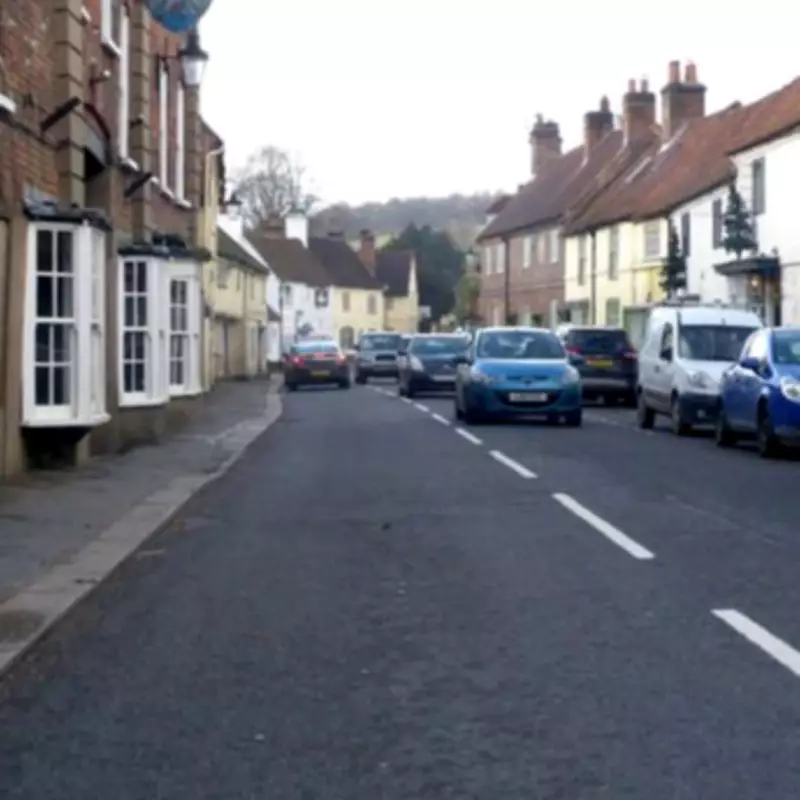
Historically serving as the halfway point between London and Oxford, West Wycombe High Street has been lined with coaching inns since the 1700s, offering sustenance and shelter to weary travelers. Today, the high street remains adorned with 16th-century cottages and shops, where original brick and flint constructions are still visible, preserving the village's timeless charm.
Attractions and Historical Intrigue
Visitors flock to West Wycombe annually to explore the scenic landscaped grounds of West Wycombe Park and the enchanting Hellfire Caves, which are carved into the hills above the village. The grounds are scattered with classically inspired statues, ornamental temples, and a mausoleum that appears to be lifted straight from ancient Greece or Rome. The mausoleum, situated at the summit of Wycombe Hill, stands as one of the most prominent features of the area.
Perhaps the most famous attraction is the Hellfire Caves, a network of chalk tunnels known for their Pagan associations and rumored to have been the site of occultist and masonic rituals. Legend suggests that former estate owner Francis Dashwood excavated and transformed these ancient caves into an intricately carved interior to host exclusive meetings of his Hellfire Club.
Travel Considerations and Confusion Clarification
Traveling to West Wycombe from Central London by car takes about one hour and 10 minutes. Alternatively, the average train journey from London to High Wycombe is around 40 minutes, followed by a brief five-minute taxi ride to West Wycombe. It is crucial not to confuse this destination with West Wickham, as the travel durations may be similar, but the experiences are entirely distinct.
For those using public transport, the journey can be somewhat cumbersome, involving travel from Paddington to Reading, then from Reading to Slough, followed by bus connections to High Wycombe and finally to West Wycombe. Despite the logistical challenges, the unique beauty and historical depth of West Wycombe make it a worthwhile destination for those seeking an escape from urban life.






