London House Prices Experience Seventh Consecutive Monthly Decline
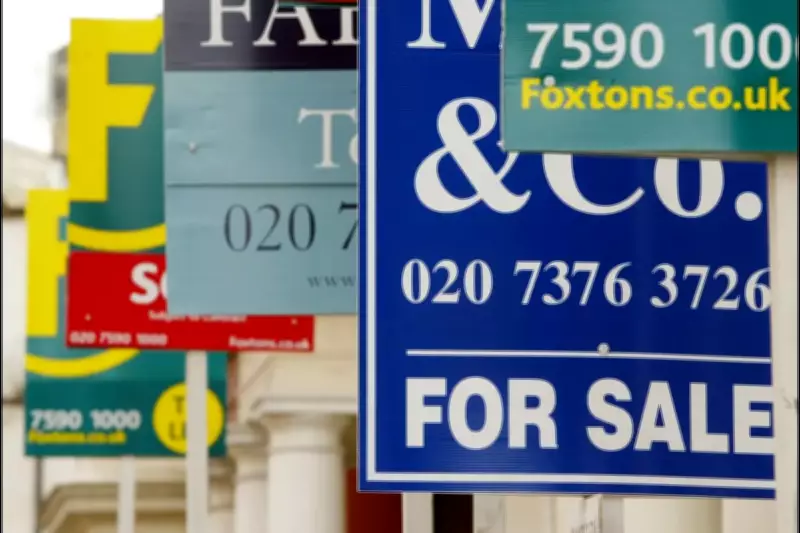
House prices in London have fallen for the seventh month in a row, with the annual drop widening significantly to more than three per cent. According to the Office for National Statistics (ONS), the average house price in the capital decreased by 3.3 per cent to £542,000 in the year to February. This marks a deterioration from the previous month's year-on-year decline of 1.9 per cent, indicating a deepening slump in the city's property market.
National Recovery Contrasts with London's Struggles
While London languishes, the overall UK housing market shows signs of recovery. National house prices increased by 0.9 per cent to an average of £290,000 during the same period. This growth, however modest, underscores a growing divergence between the capital and the rest of the country. The South East and South West regions also experienced declines of 0.9 per cent and 0.6 per cent respectively, while Yorkshire and the Humber saw the most substantial rise at 3.9 per cent.
Inflation Fears and Geopolitical Tensions Dampen Demand
The broader housing market's gains remain sluggish compared to historical levels, largely due to concerns that the ongoing conflict in Iran could trigger a spike in inflation. Inflation rose to 3.3 per cent in March, potentially signaling the beginning of a prolonged increase driven by global fuel price surges stemming from Middle Eastern tensions. Initially, the Bank of England was anticipated to cut interest rates early in the year, but the market now braces for the possibility of multiple rate hikes in 2026.

Tax Policies Exacerbate London's Housing Market Woes
Stacy Eden, an analyst at audit firm RSM, commented on the economic backdrop, noting that with UK economic growth projected to be under 1 per cent for 2026 and slowing wage growth eroded by inflation, waning buyer demand and rising concerns over interest rates are unsurprising. Eden highlighted that London's house prices are particularly vulnerable due to the city's exposure to stamp duty, given its typically high property values. Additionally, tax and regulatory policies, such as the termination of the non-dom regime, may be deterring overseas residents and property investors from the London market.
Luxury Property Market Suffers Significant Setback
Barret Kupelian, chief economist at consultancy PwC, observed that the UK housing market is increasingly splitting into two distinct segments, with a stark contrast between the south and the rest of the country. He emphasized that the question is no longer whether the market will soften, but by how much. The uncertainty of last year's Autumn Budget has been replaced by fresh concerns arising from events in the Middle East. The prime end of London's property market appears especially affected, with recent reports indicating that the luxury housing sector experienced its most significant drop in a decade. Sales of prime properties fell by 37 per cent year on year, and the average transaction value stagnated, remaining well below inflation levels, as some high-end properties sold for considerably less than their true market worth.