

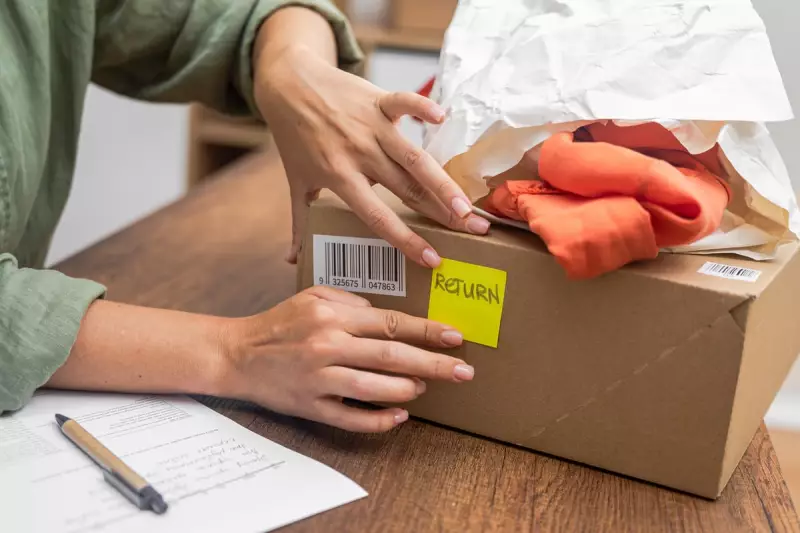
New research has revealed that a significant majority of Britons are not holding onto presents they do not want, with most taking steps to exchange, return, or sell them. The study, commissioned by Confused.com, surveyed 2,000 adults and found that eight in ten people have taken action to recoup the value of an unsuitable gift.
How Brits Handle Unwanted Presents
The survey, conducted by OnePoll.com, broke down the popular methods for dealing with gifts that miss the mark. The most common tactic is regifting, with 47 per cent of respondents admitting they have passed an unwanted item on to someone else, saving money on future presents. Just under a third (31 per cent) have opted to exchange an item in-store, while 19 per cent have returned it outright for a refund.
Furthermore, over a quarter (27 per cent) have tried to make cash from their unwanted gifts by selling them online, making an average of £30 per item. This trend highlights a pragmatic approach to gift-giving, where the sentimental value is often secondary to practical utility and financial sense.

Understanding Your Consumer Rights
Nicola Morgan, a personal finance expert at Confused.com, provided crucial guidance for those looking to return or exchange gifts. She clarified that while the Consumer Rights Act 2015 offers protection for faulty goods, there is no legal obligation for retailers to accept returns or exchanges simply because an item is unwanted.
“This can be down to the discretion of the retailer,” Morgan explained. “There’s usually a time limit for returns and exchanges – often 28 to 30 days from purchase. The good news is that over the Christmas period, some stores extend their returns period to allow extra time.”
She emphasised the importance of having proof of purchase, suggesting recipients ask the gift-giver for a receipt. Without it, a store may offer an exchange at its discretion, but you might not receive the full value, especially if the item is on sale. For a cash refund, the process is trickier, as money is typically returned to the original payment method, potentially requiring an honest conversation with the person who gave the gift.
The Most Commonly Returned Items
The research also identified which types of gifts are most likely to be passed on. Topping the list are clothes, cited in 49 per cent of cases, followed by accessories (25 per cent), beauty or personal care items (20 per cent), shoes (19 per cent), and home goods (18 per cent). These items are often matters of personal taste, size, or fit, making them prone to being ‘not quite right’ as presents.
The main reasons for rejecting a gift include simply not liking it (47 per cent), the item being the wrong fit or size (45 per cent), or already owning it (39 per cent). For those who successfully return or exchange an item, the most common outcome is a gift card (40 per cent) or store credit (34 per cent). Thirty-five per cent received cash, while 21 per cent had the money refunded to a card.
Morgan’s final advice for future gift seasons is to consider having “an honest conversation with friends and family and requesting gift receipts for certain items; this will give you more freedom to exchange or return items easily in the future.”






