

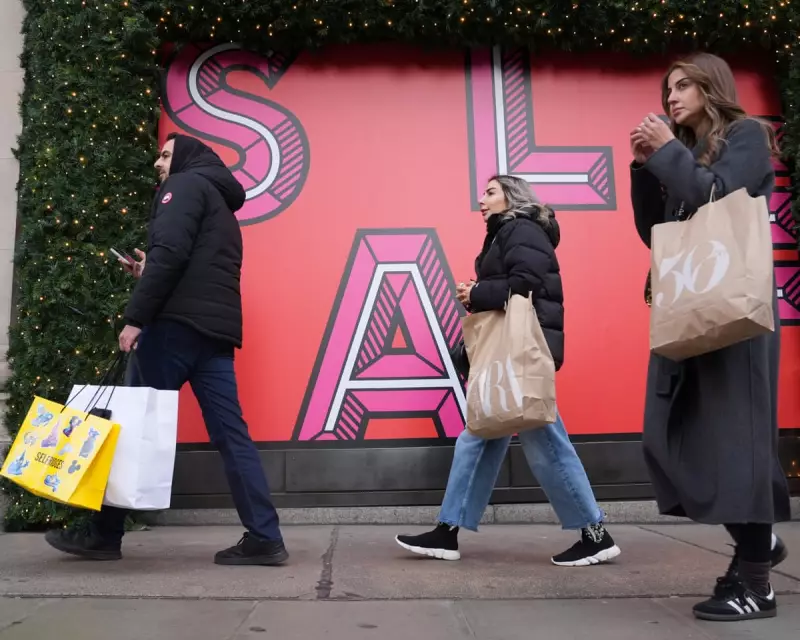
The traditional Boxing Day sales rush on Britain's high streets showed signs of waning this year, as new data reveals a clear shift in where consumers chose to hunt for post-Christmas bargains.
A Tale of Two Shopping Destinations
According to figures from the monitoring company MRI Software, overall footfall across all UK retail destinations on Friday morning was down by 0.3% compared to last year. The decline was more pronounced on traditional high streets and in shopping centres. Visitor numbers on Britain's high streets fell by 2.4% year-on-year, while shopping centres experienced a 2.6% slide.
In a stark contrast, retail parks bucked the national trend decisively. These out-of-town locations, favoured for their car accessibility and often free parking, recorded a significant 6.9% increase in visitors on Boxing Day morning. Jenni Matthews, Marketing and Insights Director at MRI, suggested this could be an "encouraging start to Boxing Day," indicating shoppers were venturing out earlier than expected to secure deals.

London and Regional Divergence
The capital experienced a notable split in fortunes. Central London suffered a sharp 7.7% fall in footfall compared to Boxing Day 2024, a much steeper decline than the 3.4% average drop seen in other major UK cities. Colder temperatures were cited as a potential deterrent for travel into the city centre.
However, outer London areas saw a nearly 4% rise in visitors. The biggest winners were coastal towns, where footfall jumped by an impressive 10%, as consumers combined bargain hunting with a festive day out by the sea.
Online Shift and a Tough Retail Climate
The data underscores a longer-term trend of the Boxing Day sales period shifting online. Many major retailers, including Marks & Spencer and Next, now launch discounts of up to 50% online on Christmas Day itself, with in-store reductions often following later. This allows consumers to shop from home, a pattern that continued to impact physical store traffic.
The retail sector has faced a challenging 2025, with persistent high living costs causing many consumers to rein in spending. Clive Black of Shore Capital noted that mild autumn weather also reduced demand for seasonal clothing like jumpers and coats. Despite these pressures, Barclays data suggests the average shopper's sales budget rose to £253, up from £236 in 2024, though fewer people are expected to participate overall.
While some destinations like Manchester's Trafford Centre and the Selfridges store in London still attracted early morning queues for doorbuster deals, the overall picture is one of evolution. The convenience of retail parks and the digital marketplace is reshaping the post-Christmas sales landscape, leaving the future of the traditional high street Boxing Day scramble increasingly uncertain.






