

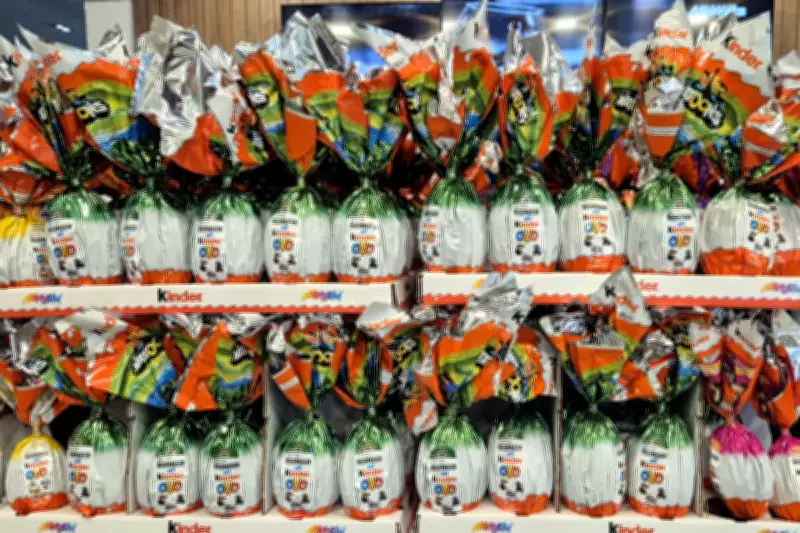
Easter Shopping Provides Modest Boost to UK Retail Footfall
Retail footfall across the United Kingdom experienced a welcome increase of 2.4 percent during March, according to the latest data from the British Retail Consortium (BRC). This positive shift comes after a challenging start to the year, where wet weather significantly deterred shoppers from visiting physical stores in January and February.
Regional Variations and Performance Metrics
The uplift was not uniform across all retail environments. Shopping centers led the recovery with a 2.6 percent increase in visitor numbers, closely followed by retail parks at 2.5 percent. High streets, while still showing growth, recorded a more modest two percent rise in footfall.
Geographically, Manchester emerged as the standout performer, with total shopping activity soaring by more than nine percent. London also outperformed the national average, posting a 3.3 percent increase in footfall during the same period.

Underwhelming Easter Performance and Retailer Concerns
Despite the positive numbers, the BRC reported that the Easter shopping boost failed to meet retailer expectations. Helen Dickinson, Chief Executive of the BRC, emphasized that with Easter and school holidays occurring earlier this year, businesses had anticipated a more substantial increase in customer traffic.
"Warmer weather might help sustain footfall in the months ahead," Dickinson noted, "but without an Easter uplift in April, momentum is far from guaranteed."
Retail consultant Andy Sumpter from Sensormatic, which compiled the data for the BRC, provided additional context. He explained that March would likely have seen a decline in footfall without the Easter effect, citing ongoing pressures affecting consumer behavior:
- Declining consumer confidence
- Geopolitical uncertainty
- Rising living costs, particularly fuel prices
"March's return to growth is a step in the right direction," Sumpter stated, "but the real test will be whether footfall can hold once the Easter boost passes and tougher comparisons return."
Multiple Challenges Facing Retail Sector
Beyond consumer behavior, retailers face significant structural challenges. Business leaders have highlighted growing concerns about:
- April increases to business rates
- Rising employment costs
- Persistent inflation fears
Dickinson called for government intervention to support the retail sector: "[The] government can play its part supporting households by easing pressures created by domestic policy costs. Cutting these costs would free up retailers to invest more in value, experience and their in-store offer."
Geopolitical Factors and Energy Prices
The retail sector received cautious optimism from President Trump's announcement of a two-week ceasefire, though its implementation remains uncertain. The BRC suggested that if the Strait of Hormuz reopens, global energy prices could return to near-normal levels before most companies renew their energy contracts.
However, retail and hospitality leaders emphasized that British businesses continue to face multiple pressures that could undermine the modest gains seen in March's footfall figures.






