

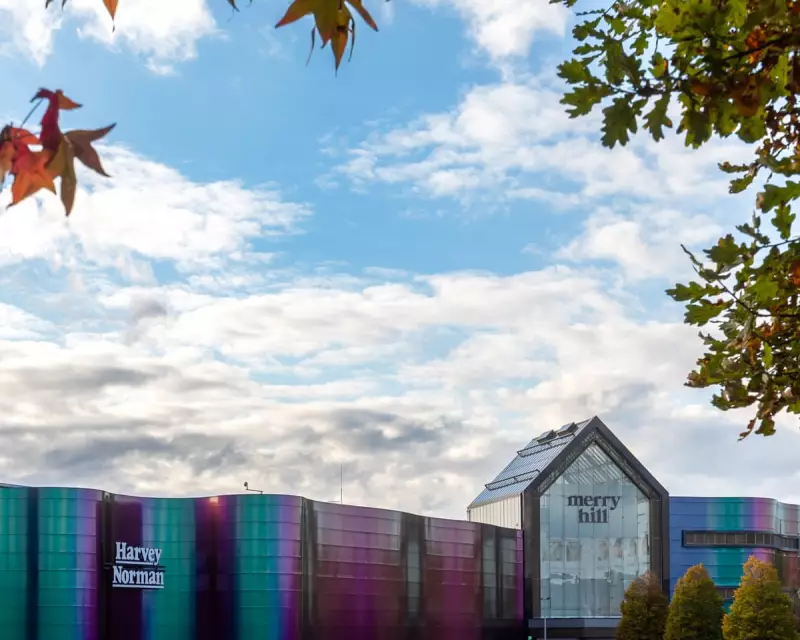
In a surprising reversal of recent trends, major retailers across the United Kingdom are significantly ramping up their investment in physical shops and shopping centres. This strategic shift marks a decisive move away from the pure online focus that has dominated the sector for years, signalling renewed confidence in the future of bricks-and-mortar retail.
The Data Behind the Physical Store Revival
According to a comprehensive survey by the British Retail Consortium (BRC) and the Property Adviser CBRE, a clear trend is emerging. The data, collected in the final quarter of 2024, reveals that 44% of retailers are now planning to increase their investment in physical shop estates over the coming year. This figure represents a substantial jump from the 37% recorded just one year prior.
This renewed commitment is not limited to maintaining existing spaces. The survey indicates a specific focus on expansion, with 42% of retail businesses intending to open more physical stores in 2025. This is a powerful indicator of a sector reassessing its strategy, choosing to bolster its physical presence rather than continue a wholesale retreat to digital-only operations.

Drivers of the High Street Comeback
Several key factors are fuelling this unexpected renaissance. Industry analysts point to the evolving role of the physical store, which is no longer seen merely as a point of sale. Modern shops are increasingly functioning as hybrid spaces for customer experience, brand engagement, and convenient fulfilment centres for online orders.
"The pendulum is swinging back," explained a senior property director from a leading retail chain. The sentiment suggests that the relentless growth of online shopping has reached a plateau of sorts, with consumers now seeking a balanced mix of digital convenience and tangible, in-person shopping experiences. This rebalancing act is prompting retailers to reinvest in their shopfronts, ensuring they are attractive, efficient, and integrated with their online operations.
Investment Flows into Shopping Centres
The revival is particularly noticeable in the shopping centre sector, a part of the commercial property market that faced extreme pressure during the pandemic and the rise of e-commerce. The BRC/CBRE data shows that investment intentions for shopping centres have turned sharply positive.
Where previously the focus was on cost-cutting and store closures, there is now a clear strategy to refurbish, redesign, and reinvigorate these spaces. Landlords and retailers are collaborating to create destinations that offer more than just shopping—incorporating dining, leisure, and entertainment to draw footfall and increase dwell time.
Implications for the Commercial Property Market
This strategic pivot by UK retailers has immediate and profound consequences for the commercial property landscape. After years of uncertainty and declining valuations for retail assets, this wave of investment signals a potential stabilisation and recovery for well-located retail property.
The shift suggests that the UK high street and its shopping centres may be more resilient than previously thought. However, the nature of these spaces is undeniably changing. Success will depend on adaptability, with a focus on prime locations, modern facilities, and a compelling mix of offers that can compete for consumers' time and money.
While the online channel remains critically important, the latest data presents a more nuanced picture of the future of retail. It appears to be a future where the physical store, reimagined and reinvested in, reclaims a central role in the omnichannel strategy of Britain's leading retailers.






