Dozens of vessels accused of operating within a vast international "shadow fleet" have switched their registration to Russia in a brazen attempt to shield themselves from American intervention. The move comes amid a heightened crackdown by US forces on tankers carrying sanctioned oil from nations including Venezuela, Iran, and Russia itself.
A Surge in Suspicious Registry Changes
According to a new analysis by the shipping intelligence publication Lloyd's List, at least 40 suspicious vessels were reflagged to the Russian registry in 2025. Strikingly, 17 of these changes occurred in just the past month, a significant acceleration from the 15 recorded in the preceding five months of the year.
Experts link this sudden flurry of activity directly to former President Donald Trump's announcement last month of a US "blockade" targeting sanctioned oil tankers connected to Venezuela. This aggressive stance appears to have prompted owners to seek the perceived protection of the Kremlin's flag.

The so-called "shadow fleet" is defined by Lloyd's List as vessels that use deceptive practices—such as falsifying documents, disabling tracking systems, and conducting ship-to-ship transfers—to transport oil and gas in violation of international sanctions and price caps.
High-Profile Seizures and Failed Evasion Tactics
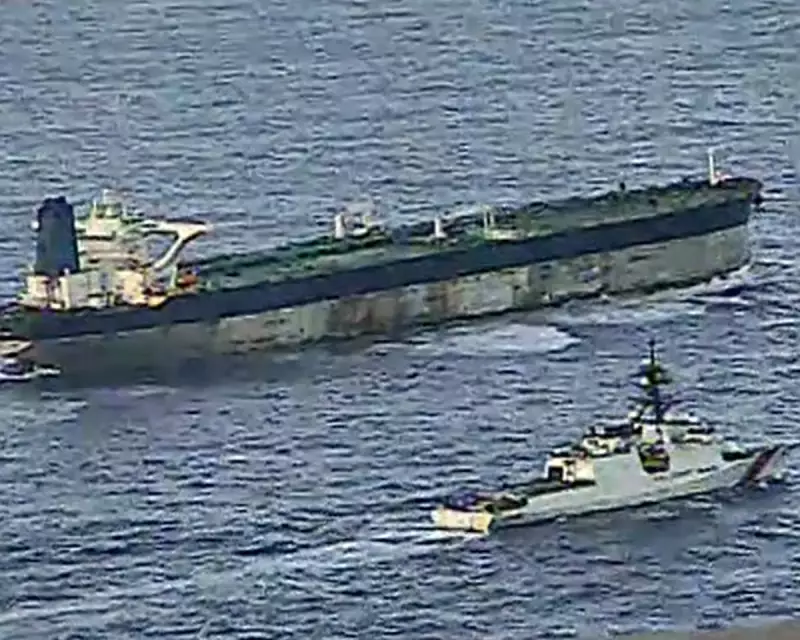
The risks for these vessels were starkly illustrated this week. On Monday, US special forces seized the oil tanker Marinera, which was carrying Venezuelan crude. Previously known as the Bella 1, the tanker had attempted to evade capture by switching from a falsified Guyanese flag to a Russian flag, crudely painted on its hull.
This tactic failed. The Marinera was interdicted in the North Atlantic with support from the UK, which provided air surveillance. Russia had reportedly dispatched a submarine to escort the vessel in the days before the seizure and had warned the White House against intervention.
It was not an isolated incident. US forces also seized the M/T Sophia in the Caribbean on Wednesday, escorting it to the United States. In early December, the tanker Skipper was taken off the coast of Venezuela; it had been under US sanctions since 2022 for allegedly smuggling oil on behalf of Iran's Revolutionary Guards and Hezbollah.
The Multi-Billion Pound Shadow Trade
The scale of the illicit operation is vast. Bridget Diakun, a senior risk and compliance analyst at Lloyd's List Intelligence, stated that as of October there were 1,423 ships within the shadow fleet suspected of moving sanctioned goods for Russia, Iran, and Venezuela. This fleet is growing by approximately 10 vessels each month.
An analysis by the Center for Strategic and International Studies (CSIS) estimates that Russia's shadow fleet alone transports about 3.7 million barrels of oil per day. This represents a staggering 65% of Russia's total seaborne oil trade, generating an estimated $87 billion to $100 billion in annual revenue that helps fund its war in Ukraine.
Defending the UK's role in the Marinera operation, Scotland Secretary Douglas Alexander stated the government's position was clear. "This ship is part of the shadow fleet that funds Russia's war effort in Ukraine," he said. "Our national interest is served by avoiding the illegal fuelling of terrorism, of conflict and of misery... So when we were asked by the United States to provide operational assistance... we were absolutely willing to step up."
The cat-and-mouse game on the high seas continues, as the shadow fleet adapts its tactics and Western allies intensify their efforts to enforce a complex web of global sanctions.