American military aircraft are actively monitoring a sanctioned oil tanker in the Atlantic Ocean, approximately 250 miles off the coast of Ireland, as part of a significant US-led clampdown on Venezuelan crude exports. The operation forms a key part of what Washington describes as a "quarantine" aimed at cutting off revenue to the government of Nicolás Maduro.
The Atlantic Surveillance Operation
The vessel in question, now named the Marinera, began its journey in Iran and was reportedly due to load oil in Venezuela. It encountered the strengthened US naval blockade in the Caribbean in December before departing the region. The ship has since changed its name from Bella 1, switched its registration from Guyanese to Russian, and appears to be heading for Russia.
While US naval forces are not in direct pursuit, P-8 Poseidon anti-submarine aircraft deployed from bases in the United Kingdom and Iceland are conducting patrols around the Marinera's location. This high-altitude surveillance underscores the global reach of the US effort to enforce sanctions on Venezuelan oil.

Evasion Tactics in the Caribbean
Meanwhile, in the Caribbean, the situation is increasingly tense. According to monitoring services like TankerTrackers.com, around a dozen other ships carrying Venezuelan oil are attempting to evade the blockade. These sanctioned vessels have turned off their Automatic Identification System (AIS) transponders, which broadcast their location, making them harder to track after leaving Venezuelan waters.
Satellite imagery indicates that at least four tankers left via a route north of Isla Margarita, Venezuela's largest island. The New York Times reported that at least 16 oil tankers have tried to break out in the past 48 hours, employing tactics such as using fake ship names and spoofing their positions. Notably, four left port without authorisation from the interim government led by Delcy Rodríguez, hinting at internal defiance.
The "Quarantine" and Its Implications
The current escalation follows President Donald Trump's announcement on 16 December of a "complete blockade" on sanctioned Venezuelan oil tankers, with an exemption only for oil shipped by the US firm Chevron. US Secretary of State Marco Rubio has characterised the operation as one of the biggest naval quarantines in modern history, designed to throttle Caracas's vital revenue stream and prevent its oil from benefitting US adversaries.
The move comes after the high-profile seizure of Nicolás Maduro on drug trafficking charges. While the Venezuelan government has accused the US of "piracy," it has also called for a "balanced and respectful" relationship in an apparent bid to deter further military action.
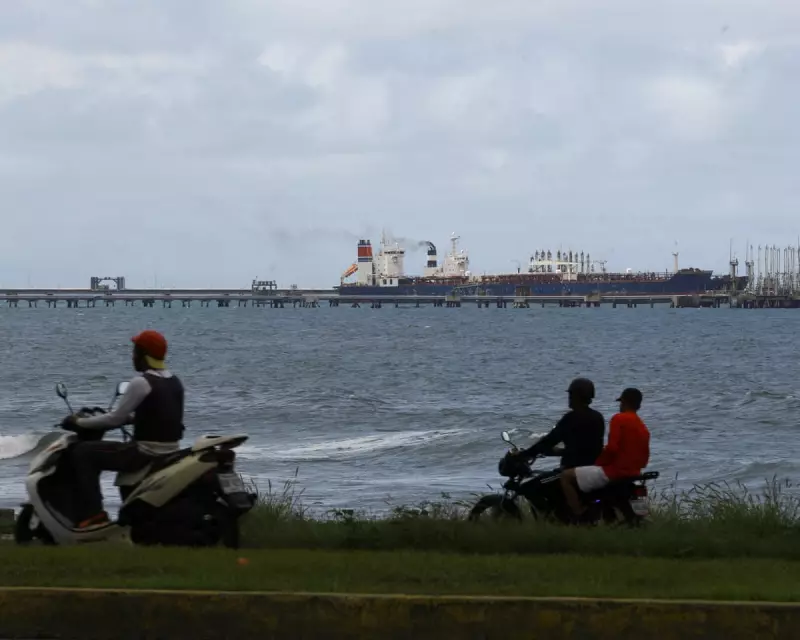
In a related development, Reuters reported that a separate group of sanctioned vessels left Venezuela empty after delivering cargoes and completing domestic trips. One prominent example is the Guinea-flagged tanker MT Bandra, which remains tied up at the El Palito terminal near Puerto Cabello, Venezuela, under sanctions.
The unfolding situation highlights the complex, global chess game surrounding energy sanctions, with implications for international shipping, diplomatic relations, and the economic stability of the Venezuelan state.