

The Unforgiving Arena of Online Gaming
In the competitive landscape of online gaming, success is no longer about creating hits—it's about surviving relentless financial pressures. The starkly different trajectories of two 2026 releases, Marathon and Highguard, illustrate how the industry has shifted from nurturing player communities to demanding immediate, staggering returns.
Highguard's Swift Demise
Highguard, a free-to-play shooter launched in January 2026, initially showed promise with 100,000 concurrent players on Steam and additional audiences on PlayStation and Xbox. Despite high visibility from a prime ad spot at The Game Awards, the game collapsed within weeks. Bloomberg reported that 90% of players abandoned it after just one week, leading developer Wildlight Entertainment to shut down services on March 12—fewer than 50 days after launch. With 2 million players logged, Highguard was still deemed a flop.
Strategic missteps contributed to its failure:

- No public playtests before release, limiting feedback.
- A complex, multi-phase structure borrowed from multiple genres, which confused players.
However, the core issue was financial: Wildlight's funding from Tencent came with strict conditions, and poor player retention triggered swift withdrawal of support. This highlights how live-service games—designed for perpetual online play with microtransactions—are unforgiving, even for talented studios.
The Live-Service Gamble
Executives favor live-service games for their potential endless revenue, inspired by giants like Fortnite. Yet, developers and players often criticize this model. The online commentariat scrutinizes every metric, ready to declare "dead game," while players demand constant new content to stay engaged. The industry increasingly operates like a speculative market, prioritizing instant hits over sustainable customer relationships.
Sony exemplifies this trend, having greenlit a dozen live-service games earlier in the decade only to cancel most, shuttering studios. Concord, released in 2024 and lasting just two weeks, represents the nadir of this haphazard strategy.
Marathon's Precarious Edge
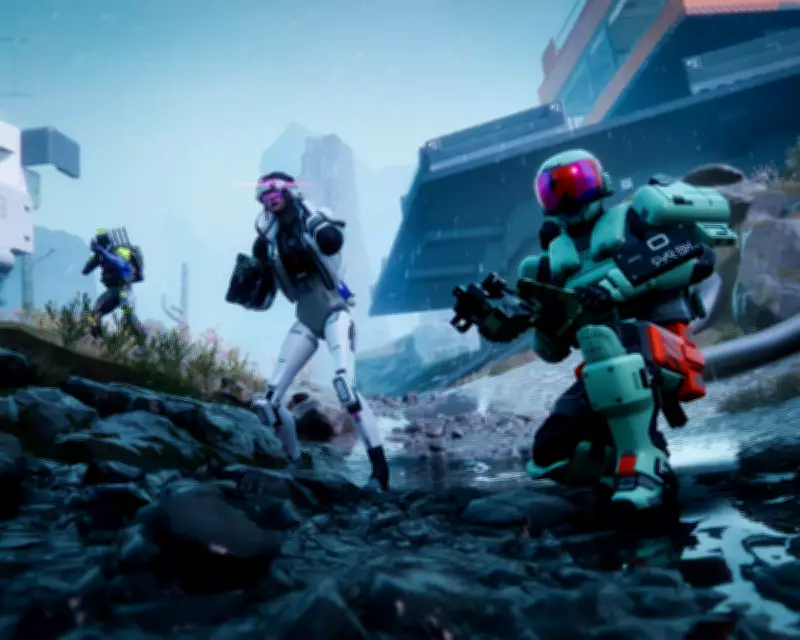
In contrast, Marathon, Bungie's stylish new shooter released this month, has become a critical darling despite initial skepticism from influencers after a closed alpha. Bungie's experience from maintaining Destiny for over a decade gives Marathon an advantage in the live-service space. Key factors include:
- It taps into the hot extraction shooter subgenre, popularized by Arc Raiders.
- Unique art direction with harsh, neon aesthetics that stand out in the market.
Yet, Marathon faces the same existential threat as Highguard: profit margins. As an investment, it must hit unknown financial targets to survive. Bungie, which fired 220 employees in 2024, may struggle with maintenance if expectations escalate, risking further staff losses and game quality.
The Time-to-Kill Metaphor
In competitive shooters, "time-to-kill" measures how long a player can sustain damage before dying. If too short, it feels unfair and drives players away. Similarly, in the gaming industry, the rapid pace of internet discourse solidifies reputations quickly. Companies burning money on unsustainable player hooks communicate a lack of commitment, inflicting damage at an unsustainable level. Why would players stick around when the time-to-kill for games is absolute murder?
The fates of Marathon and Highguard underscore a harsh reality: in today's online gaming world, there are no guaranteed hits—only survivors battling impossible economic demands.






