

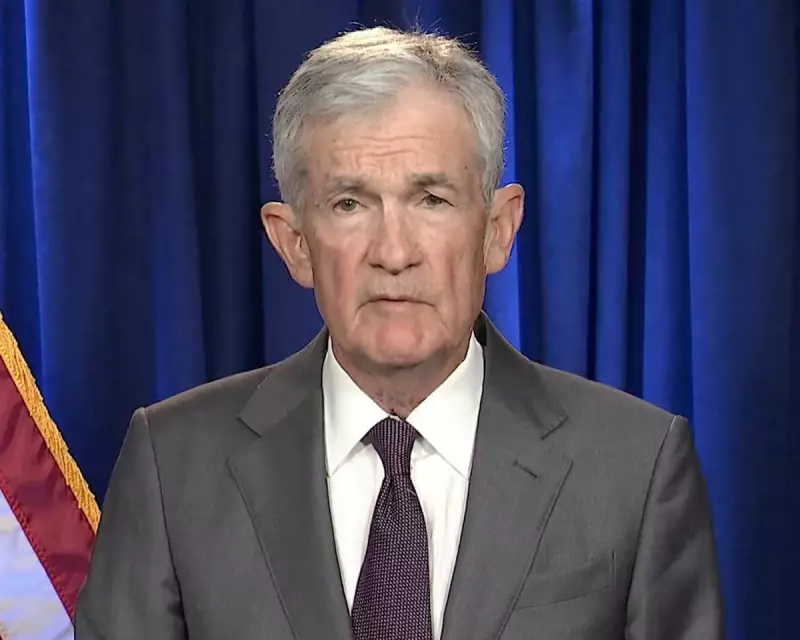
The US dollar has stumbled in early trading following reports of an investigation into Federal Reserve Chair Jerome Powell, raising fresh concerns over the central bank's political independence.
Market Reaction to Political Pressure
News of the probe triggered immediate movement on the foreign exchange markets. The dollar index, a key measure of the greenback's strength against a basket of other major currencies, fell by 0.2% in morning trading. This decline provided a direct boost to the British pound, which gained almost half a cent against the weakened dollar to trade at $1.3440.
Analyst Warns of Long-Term Risks
The market's reaction underscores deeper anxieties about potential political interference in US monetary policy. Ipek Ozkardeskaya, a senior analyst at Swissquote Bank, highlighted the core issue at stake. She explained that the critical question is whether the Federal Reserve can continue to set interest rates based purely on economic data, or if future decisions will be swayed by political demands.

"I'm afraid we may be moving toward the second scenario," Ozkardeskaya stated. She issued a stark warning: "If the Fed becomes a political tool, with its chair replaced by a government puppet, that could further weaken appetite for the U.S. dollar and U.S. bonds." Such a loss of confidence would have significant repercussions for global financial stability and investment flows.
Implications for Global Finance
The dollar's immediate weakness, while modest, acts as a barometer for investor sentiment. A perception that the world's most influential central bank is losing its autonomy can lead to sustained volatility and a reevaluation of risk. For the UK, a stronger pound offers short-term benefits for importers and travellers but presents challenges for exporters. The situation remains fluid, with markets closely monitoring developments from Washington for any signs of escalating pressure on the Fed's operational freedom.






