

Financial markets have reacted sharply to former US President Donald Trump's military intervention in Venezuela, triggering a significant rush towards traditional safe-haven assets and energy shares.
Safe Havens in Demand as Uncertainty Rises
The cost of precious and industrial metals climbed sharply on Monday, 5 January 2026, as news broke of the operation leading to the capture of Venezuelan President Nicolas Maduro. Gold saw a 2.4% increase, pushing its price to approximately $4,435 an ounce and hovering near an all-time peak. Silver enjoyed an even larger jump, rising about 5% to over $76 per ounce, while copper gained roughly 3%.
Russ Mould, investment director at AJ Bell, explained the trend, stating that investors often turn to gold when headlines are worrying, as it is seen as a reliable store of value during turbulent periods. Ipek Ozkardeskaya, a senior analyst at Swissquote, noted it was unsurprising these metals were enjoying a positive ride, given the geopolitical shock.

Energy Giants and Miners See Share Price Boost
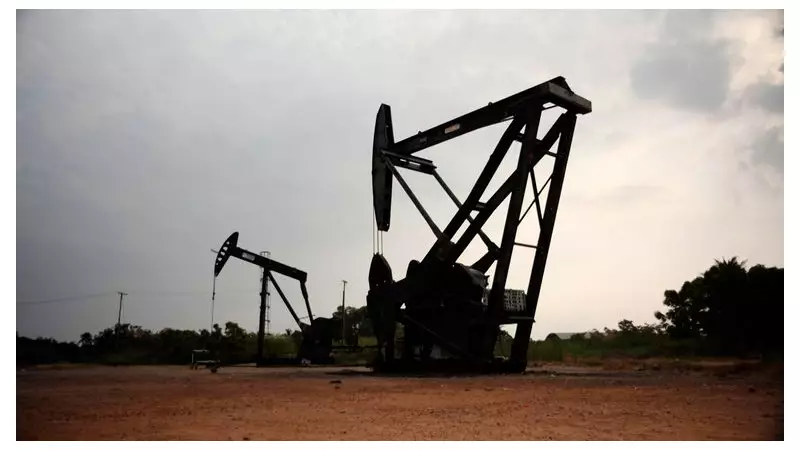
The market movement was not confined to commodities. Shares in major US oil corporations Chevron and Exxon Mobil surged by about 6% and 4% respectively in New York trading. President Trump stated that American oil companies would help fix Venezuela's ageing oil infrastructure, tapping into the nation's vast reserves.
In London, the ripple effect boosted mining and defence companies, which were among the biggest climbers on the FTSE 100 index. This continues a pattern seen throughout 2025, where market wobbles from US tariffs and global tensions have repeatedly driven money into perceived safe assets.
Muted Initial Reaction in Oil Markets
Despite the share price spikes, the immediate reaction in the physical oil market was more subdued. After an early dip, the price of a barrel of Brent crude oil recovered to $61.22, still slightly below the $61.35 level seen the previous Friday.
Analysts suggest this tempered response is due to long-standing concerns about a global oil surplus and the specific circumstances in Venezuela. Exports from the country had already collapsed in December after the US imposed an oil quarantine, seizing tankers. With only 1% of global supply previously coming from Venezuela, and the quarantine ongoing, no sudden flood of oil is expected to hit the market imminently.
The US administration has emphasised that significant investment in Venezuela's dilapidated oil infrastructure is needed before output can see a substantial boost, indicating any change to global supply will be a medium to long-term prospect.






