

Oil Markets Experience Temporary Relief as IEA Considers Strategic Intervention
Global oil markets showed signs of easing on Wednesday morning following more than a week of significant volatility and surging prices. The price of US crude oil tumbled to $76 per barrel on Tuesday, completely reversing all gains achieved during Asian trading sessions. Meanwhile, Brent crude, which serves as the international benchmark for oil pricing, maintained a steady position at $88 per barrel.
International Energy Agency Considers Strategic Reserve Release
This market movement coincided with discussions from the International Energy Agency regarding the potential release of strategic petroleum reserves. While the exact volume under consideration has not been officially disclosed, multiple indicators suggest it could exceed the 182 million barrels released following Russia's invasion of Ukraine, potentially reaching between 300 to 400 million barrels.
Ipek Ozkardeskaya, a senior analyst at Swissquote, offered a critical perspective on this potential intervention. She characterized the proposed amount as "remains meagre" when compared against the staggering daily consumption of nearly 45 million barrels by IEA member countries. "It would be a temporary fix," Ozkardeskaya emphasized, highlighting the limited duration of such measures.

The analyst further explained that "the duration of the conflict will determine whether the spike in oil prices is over, or whether there is more to come," pointing to the ongoing geopolitical tensions as the primary driver of market uncertainty.
Market Rally Amid Persistent Geopolitical Concerns
Financial markets experienced a notable rally on Tuesday, with London's FTSE 100 index climbing more than 1.5 percent. However, market analysts were quick to temper optimism with caution, warning that the economic impact of the Iran conflict remains a significant point of concern.
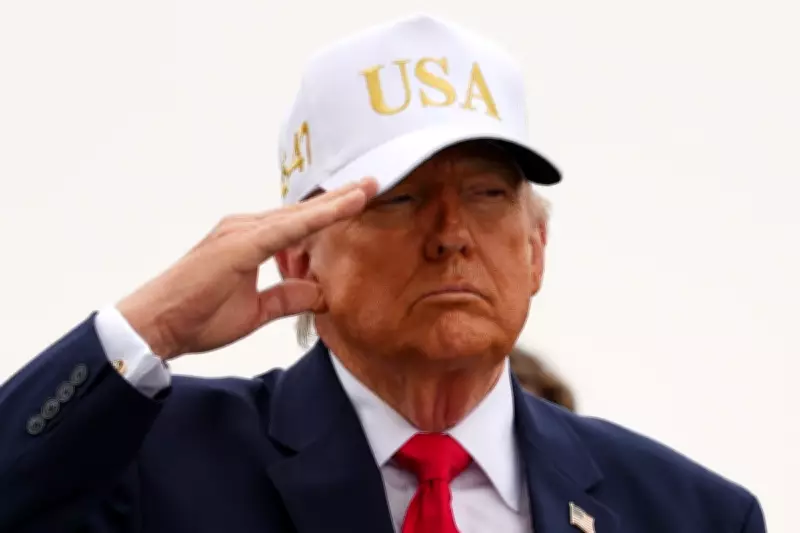
The Trump administration has intensified its commitment to the conflict, with US Secretary of War Pete Hegseth declaring "we will not relent" in military operations. Trump's Press Secretary Karoline Leavitt reinforced this position, stating the war would continue until Iran's "complete and unconditional surrender, whether they say it or not."
Leavitt added that President Trump would personally determine when Iran no longer poses a direct threat to regional stability and global security interests.
Regional Tensions and Global Market Implications
As tensions remained elevated, Iran vowed to prevent "one litre of oil" from being exported from the region as long as military strikes continue. This declaration prompted a serious response from the world's leading oil exporter.
Saudi Aramco, the state-owned national oil company of Saudi Arabia that controls over 270 billion barrels of reserves, issued a stark warning about potential "catastrophic consequences" for global markets. This alarm followed Iran's threat to block the Strait of Hormuz, a critical maritime chokepoint through which approximately one-fifth of the world's petroleum passes.
The combination of potential strategic reserve releases, ongoing military conflict, and threats to vital shipping routes creates a complex landscape for global energy markets, with analysts closely monitoring developments that could significantly impact prices and supply chains in the coming weeks.






