

The Wellcome Trust, the UK's largest charitable foundation, has taken a decisive defensive stance by accumulating a cash reserve exceeding £3.7 billion, its annual report reveals. The move is designed to protect its vast £40 billion endowment from potential financial turbulence and to position itself to capitalise on discounted investment opportunities should markets fall.
A Contrarian Bet Against Expensive Markets
In its report, the biomedical research charity stated it had restructured its portfolio to be ready to "step up into any market dislocations." It expressed a cautious outlook, noting that public equity markets, particularly in the USA, appear "at least fully priced" and expensive by historical standards.
"The real return outlook for listed equities on a five to 10-year view is inevitably more subdued than returns since the global financial crisis," the trust warned. It acknowledged that the current trend of high valuations would reverse at some point, but stressed that timing such an inflection was impossible.

Buckling the Trend of 'Risk-On' Sentiment
This substantial cash position, representing 8.9% of its portfolio, marks a significant departure from the trust's historic average cash holding of 3-5%. It also stands in stark contrast to the prevailing 'risk-on' mood among many asset managers, which has propelled global indices like the FTSE 100 and S&P 500 to record highs.
Recent surveys, such as one from Bank of America, show average fund manager cash levels have dropped to a historic low of 3.3%. The Wellcome Trust's strategy, however, finds a notable ally in Berkshire Hathaway, the investment conglomerate in which it holds a stake. Led by Warren Buffett, Berkshire has also built a monumental cash pile, citing concerns over frothy valuations and the appeal of higher interest rates.
In Good Company with a Contrarian Streak
Fabian Thehos, co-chief investment officer at the Wellcome Trust, commented on the parallel with Berkshire Hathaway. "We're certainly in good company in this regard," he said. "Our natural inclination probably is to be slightly contrarian."
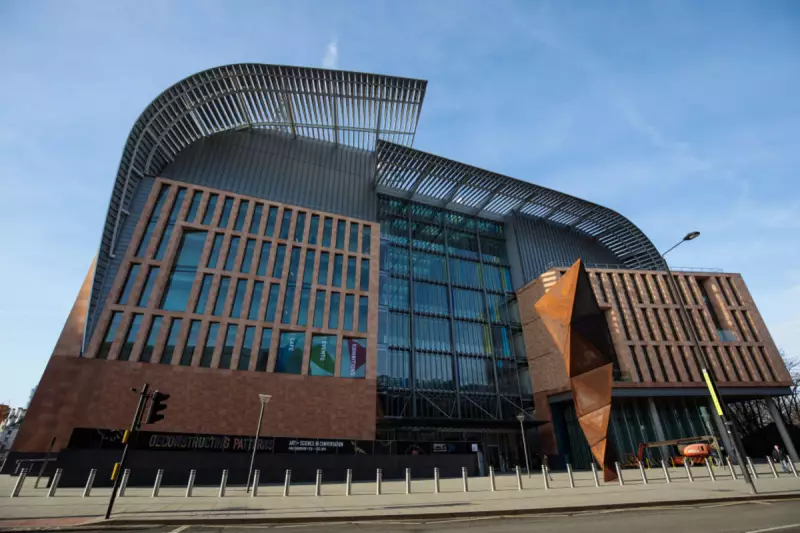
The trust, which helped establish London's Francis Crick Institute, is using its formidable financial strength to prepare for uncertainty. By building a war chest during a period of market optimism, it aims to safeguard its long-term philanthropic mission and be ready to act when others may be retreating.






