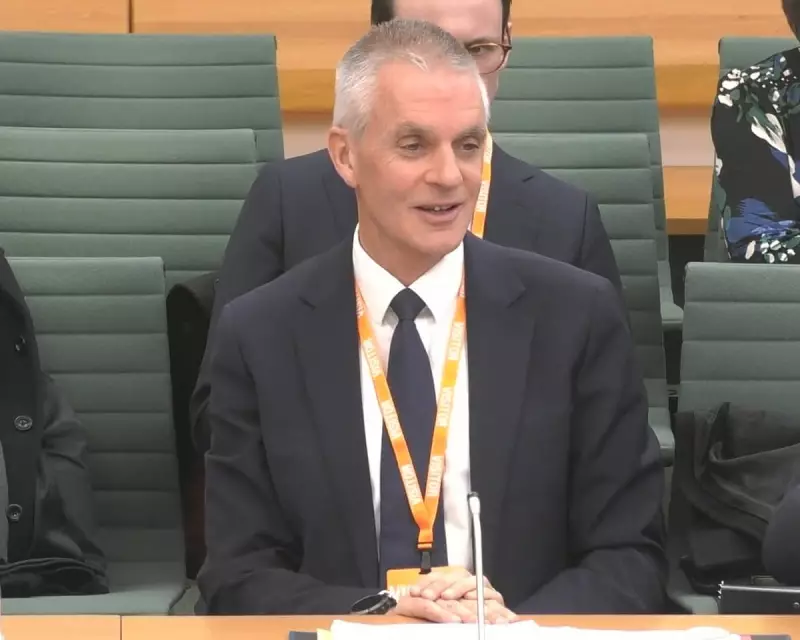
In a defiant stance before MPs, BBC Director General Tim Davie has declared the broadcaster will not withdraw from the social media platform X, arguing its presence is crucial to countering a multi-billion-pound 'flood' of state-sponsored disinformation targeting global audiences.
Standing Firm Against the 'Flood'
Appearing before the Commons Public Accounts Committee, Davie revealed he faces significant pressure to pull the BBC off the Elon Musk-owned site. Critics cite the platform's perceived shift to the right and a recent scandal involving its Grok AI tool, which generated digitally altered, explicit images of women and children.
However, Davie was resolute. 'I have quite a lot of pressure to remove the BBC from X,' he stated. 'By the way, that is not what I’ll be doing because we need to be on these platforms.' He emphasised the necessity of providing quality information to vulnerable young audiences worldwide, who are being targeted by rival state actors.

'The Chinese, the Iranians – they’re flooding the zone. They’re investing very hard,' Davie warned, adding that Russia was also part of this coordinated effort. He told MPs that disinformation is now 'utterly rife' as these nations spend billions on media to advance their geopolitical goals, concluding that 'the stakes – in my lifetime – have never been higher.'
Political Pressure and Platform Backlash
Davie's commitment to X comes amid growing political and institutional unease about the platform. Shadow Transport Secretary Louise Haigh announced she was leaving X and urged her party, the government, and public bodies like the BBC to follow suit, calling the site 'utterly unusable' and 'unconscionable' following the Grok AI revelations.
Labour leader Keir Starmer also condemned the platform, stating he had asked regulator Ofcom to put 'all options … on the table' in dealing with X, describing the situation as 'disgraceful' and 'disgusting'. The Commons Women and Equalities Committee has already ceased its activity on the site.
The Battle for Global Reach and Funding
The hearing underscored the BBC's urgent financial needs in this information war. Davie and other executives are pushing for tens of millions of pounds in extra investment for the World Service this year, describing it as the bare minimum to maintain current operations against well-funded foreign state media.
Jonathan Munro, interim head of BBC News, echoed the severity of the moment, warning the world is in the 'space between peace and war', a phrase recently used by the new head of MI6. Fiona Crack, controller of the World Service, revealed that a fifth of its language services already face 'hostile interference', including internet throttling designed to hamper broadcasts.
Despite having resigned in November, with his successor still unappointed, Davie stressed the BBC's ongoing relevance, noting it still reaches a majority of 16-34-year-olds in the UK weekly. The battle, he made clear, is for trustworthy information on the digital frontlines where young people consume news.