

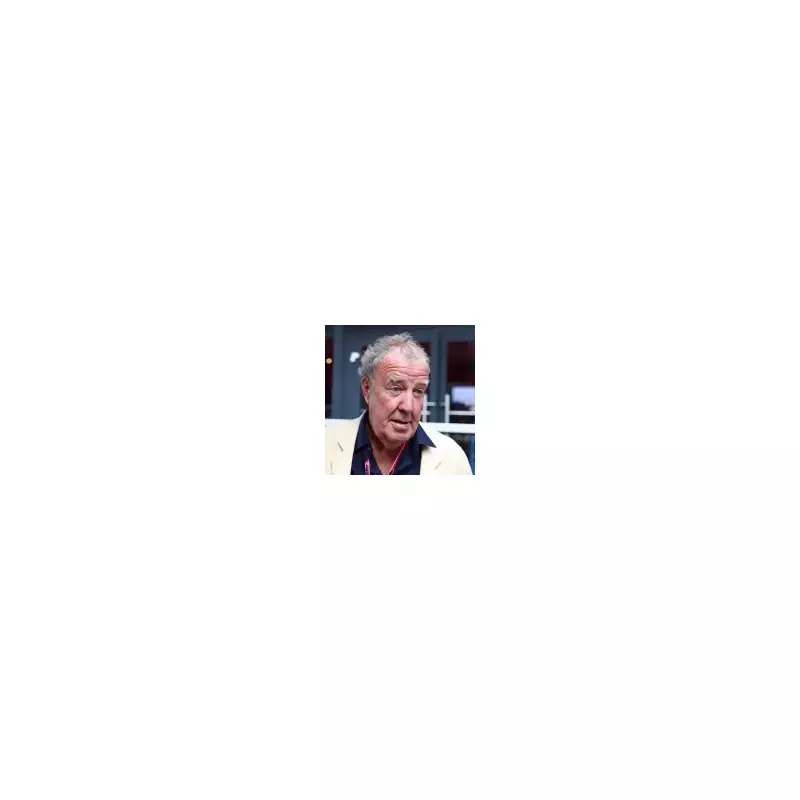
Jeremy Clarkson has launched a fresh broadside against the BBC, using his newspaper column to revisit his own controversial exit while delivering a damning verdict on the current state of British broadcasting.
From 'Bad Boy' to 'Smug' Observer
Writing in The Times on January 4, 2026, the former Top Gear presenter addressed his departure from the corporation. He noted that many might expect a "tirade of abuse" given the BBC "rather publicly let me go," a reference to his 2015 exit following an altercation with a producer.
Clarkson insists he bears no grudge, claiming his life has "improved immeasurably" since leaving. He adds that watching events unfold at the BBC in recent years has left him feeling "just a tiny bit smug." He recalled being seen as the "ultimate bad boy" during his tenure, with producer Andy Wilman frequently hauled in to answer for his behaviour over transgressions like naming his dog Didier Dogba.

A Litany of BBC 'Failures'
Clarkson argues his past controversies now pale in comparison to what he describes as far more serious scandals at the broadcaster. He characterised his own behaviour as that of a "naughty scallywag," contrasting it with the crimes of figures like Jimmy Savile, Rolf Harris, and Huw Edwards.
He then listed a series of editorial and moral failures he attributes to the modern BBC:
- The controversial editing of a speech by Donald Trump.
- Employing a reporter in Gaza with alleged links to terrorism.
- A "woeful" episode of Panorama examining racism in policing.
- Accusing writer Russell T Davies of "ruining" Doctor Who with "ham-fisted climate change dialogue."
- Criticising the broadcast of a Glastonbury performer chanting "death to the IDF."
Clarkson claims these issues have had tangible consequences, pointing to the BBC's "worst-ever ratings on Christmas Day" and a loss of more than £1 billion in revenue last year as households stopped watching.
A Radical Proposal for British Broadcasting
The central question Clarkson poses is about the future of UK broadcasting. He takes aim at the traditional TV schedule, criticising the thousands of hours of low-cost daytime programming made simply to fill airtime.
He argues this volume drains resources that could fund ambitious, high-quality drama to rival shows like Landman. Instead, Clarkson proposes a radical shift: making fewer but more expensive programmes, all hosted on BBC iPlayer, which he praises as "one of the best bits of tech in the business."
On funding, he is blunt: "Duh. We all will," writing that audiences already accept subscriptions from companies like Apple and Disney. He insists Britain has the creative talent to rival the US, suggesting "Imagine an Adolescence every week," if it sheds ideological baggage.






