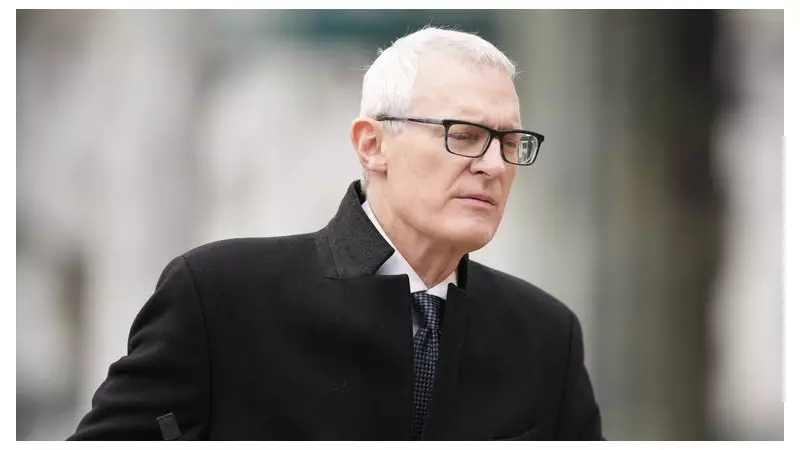
In a compelling High Court testimony that laid bare the human cost of online abuse, broadcaster Jeremy Vine described the profound psychological impact of footballer Joey Barton's sustained social media campaign against him.
The veteran presenter told jurors he felt "wickedly torn down" by Barton's posts, which included comparing him to "the most high-profile sex offenders" and making numerous derogatory comments about his career and character.
The Emotional Toll of Targeted Abuse
Vine, known for his BBC Radio 2 show and Channel 5 programmes, became visibly emotional as he detailed how Barton's online behaviour affected his mental wellbeing and professional life. "I felt like I was being hunted," he revealed to the court, describing the campaign as "one of the worst experiences" of his public life.

The court heard how Barton's posts escalated over several months, creating what Vine described as a "sustained and malicious" attack that left him feeling vulnerable and exposed to his millions of followers.
A Pattern of Online Behaviour
Barton, the former Manchester City and Newcastle United midfielder, allegedly orchestrated what Vine's legal team characterises as a "calculated campaign of abuse." The posts in question included:
- Comparing Vine to convicted sex offenders
- Mocking his broadcasting career and credibility
- Encouraging others to join in the criticism
- Creating multiple posts targeting Vine over several months
The Broader Implications for Public Figures
This high-profile case shines a spotlight on the growing concern about online harassment faced by public figures and journalists. Vine's testimony highlights the very real psychological consequences that can stem from social media abuse, even for experienced broadcasters accustomed to public scrutiny.
The case continues as the court examines whether Barton's posts crossed the line from robust criticism into defamatory harassment, with potential implications for how social media behaviour is treated in future legal proceedings.