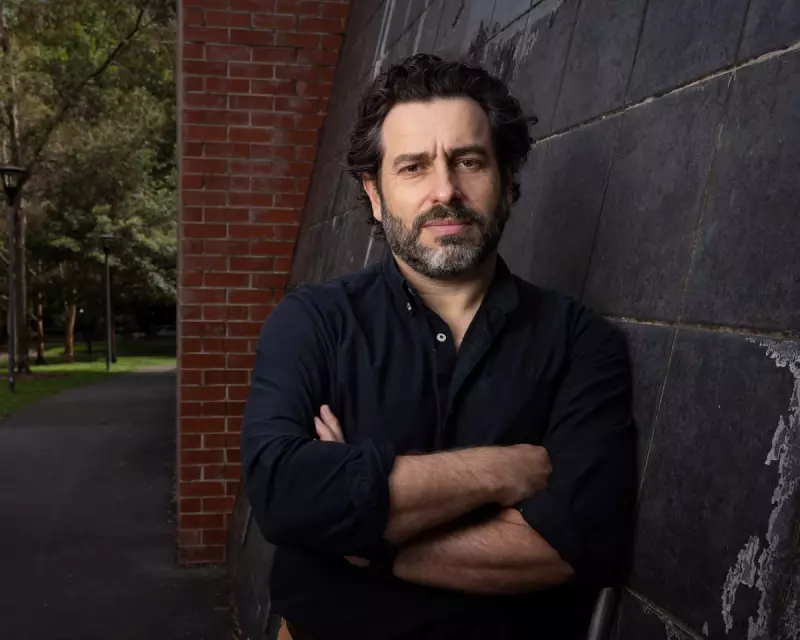
Taking the helm of a beloved and long-running television programme is a daunting prospect. For Linton Besser, the new host of the ABC's Media Watch, the pressure was palpable when he stepped into the role in 2024. The show, a staple of Australian media criticism for 36 years, came with a fiercely loyal audience and a formidable legacy.
Stepping into Big Shoes
"I didn't want to break it," Besser admits, reflecting on his initial apprehension. The former foreign correspondent and investigative journalist was acutely aware of the programme's identity and the expectations of its viewers. He and new executive producer Mario Christodoulou took over from the show's longest-serving presenter, Paul Barry, and producer Tim Latham, who departed after more than a decade and 500 episodes together.
Their approach was methodical. They treated the new assignment like any major journalistic investigation, conducting extensive outreach. They spoke with media executives and editors across the spectrum, from commercial television networks to News Corp's tabloids. Besser explains their philosophy: "We try and be as fair as we can to everyone because the person who's tipping you into a story this week might be the subject of your story next week."

Award-Winning Investigations and Inherent Awkwardness
The strategy proved successful. The 15-minute Monday night programme delivered significant scoops in 2025, earning praise for Besser's blend of a warm presenting style and incisive analysis. This culminated in the team winning a Walkley Award for commentary and critique in late 2025.
The award recognised three stories, including two that scrutinised the ABC itself. One investigation revealed that ABC chairman Kim Williams had repeatedly intervened in radio programming on behalf of comedian Austen Tayshus (Sandy Gutman). Williams later conceded this was "inappropriate." Another report led to the resignation of defence correspondent Andrew Greene after it emerged he had accepted travel from a German shipbuilder bidding for Australian contracts without disclosing it to his editors.
Besser describes the experience of investigating his own employer as "really tough," admitting to sleepless nights. He notes there is "lots of awkwardness" in holding other journalists to account, especially colleagues. To navigate this, he emphasises transparency, often prefacing calls to acquaintances with, "This is a work call."
The Engine Room: Tips, Scripts and Threading the Needle
The programme relies heavily on tips from both media insiders and the public. Besser pays tribute to the audience's sharp eye, noting viewers often spot discrepancies in how stories are reported across different outlets.
The production week is intense. Work begins on Wednesday, with a full script required by Friday for the graphics team. The weekend is spent refining, followed by a rigorous Monday morning fact-check. A final read-through assesses the tone, asking: "Are we threading the needle the right way?"
Besser's guiding principle is to avoid the extremes. "There are members of the press who go to either extreme, and then they win great fans at either one of those ends, but I fear they lose credibility in the middle," he says. "I think that would be deadly." For Besser, the mission remains clear: to provide fearless, fair, and forensic scrutiny of the media landscape, no matter how uncomfortable the target.