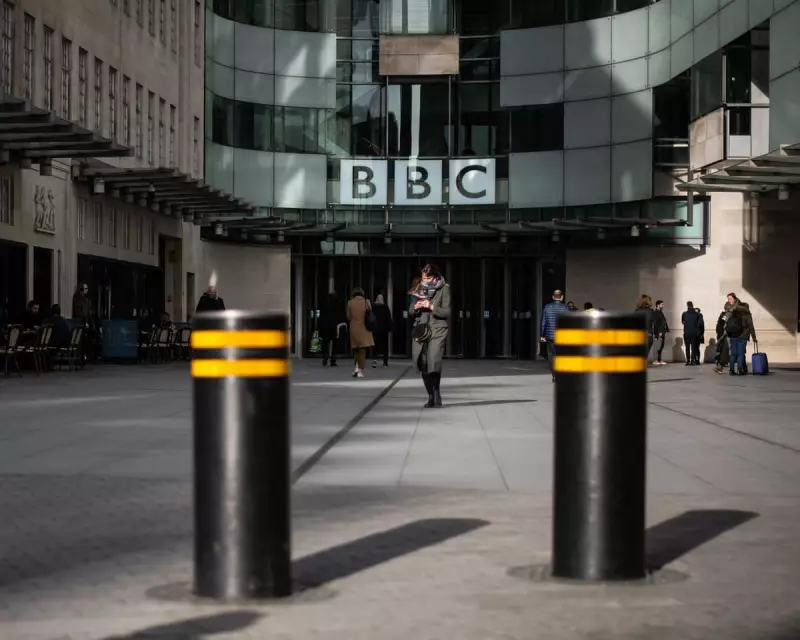
The future of how the British Broadcasting Corporation is funded is once again under the microscope. The government has launched its green paper on the BBC's charter renewal, initiating a process set to run into 2027. While radical reform is promised, many insiders believe the controversial licence fee may survive for another term.
Navigating the Funding Crossroads
Advocates of the current licence fee model, which generated £3.8bn last year, argue it is the sole mechanism upholding the BBC's founding principle of 'universality' – creating content for everyone, not just paying subscribers. The debate now centres on whether this century-old model can survive in the age of Netflix and Spotify, or if a new system must be found.
The Six Contenders for BBC Funding
Here are the main options being considered, along with their assessed likelihood on a scale from zero to five.

1. Funding via General Taxation
This model, used in Nordic nations like Sweden and Norway, links BBC income to general taxation, making it income-proportionate and arguably fairer than a flat fee. However, Culture Secretary Lisa Nandy has already ruled this out. The major political danger is making the broadcaster's budget subject to political whims, a significant threat with Reform UK polling strongly.
Likelihood: 0/5
2. A Subscription Model
In an era dominated by streamers, a subscription service seems a natural fit. The current monthly licence fee of £14.54 already exceeds a standard Netflix subscription. The glaring issue is that subscription income is highly unlikely to replace the £3.8bn licence fee revenue. It would also fundamentally abandon universality, targeting only those willing to pay.
Likelihood: 1/5
3. Introducing Advertising
BBC Chair Samir Shah is vehemently opposed to advertising, and commercial rivals like ITV and Channel 4 would fiercely contest it. The market is already shrinking, with Ofcom reporting a £600m real-terms decline in TV ad revenue since 2019. A recent BBC plan to run ads on UK podcasts was abandoned after a backlash.
Likelihood: 1/5
4. Licence Fee Plus Premium Tier
One discussed idea is keeping a core licence fee but charging extra for premium content. While common in media, this breaks universality by giving wealthier audiences more BBC content. It would also spark endless debates over which popular shows go behind a paywall.
Likelihood: 2/5
5. A Universal Household Levy
Used in Germany, a levy on all households would tackle non-payment. It could be made progressive, perhaps linked to council tax bands. The major downside is a toxic political fight, with opponents branding it a compulsory 'BBC tax'.
Likelihood: 3/5
6. Sticking with the Licence Fee (For Now)
Despite talk of radical change, governments of all stripes have consistently stuck with the licence fee because alternatives create major problems. With approximately 24 million licences still in force, a fudge involving limited fee increases remains the most probable outcome for this charter period, even if it only postpones the inevitable.
Likelihood: 4/5
The Long Road to a Decision
Months of political and industry wrangling lie ahead. The green paper launched this week is just the start. While the media landscape has transformed, the unique challenges of funding a universal public service broadcaster mean the familiar licence fee, for all its controversies, may yet endure a little longer as the search for a viable and fair successor continues.