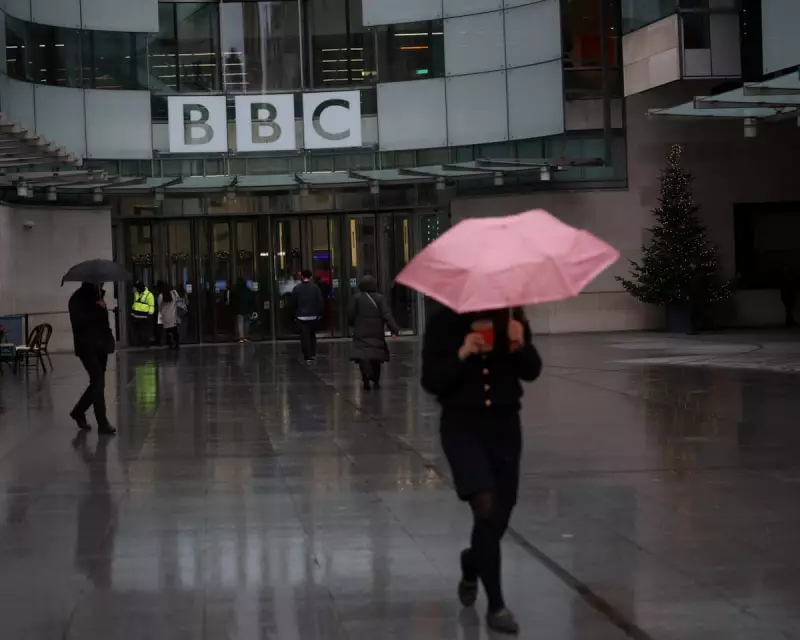
Former US President Donald Trump has launched a high-profile lawsuit against the BBC, seeking a staggering $10bn in damages and marking a significant escalation in his campaign against critical media outlets. The legal action, filed over a Panorama documentary broadcast in October 2024, represents the first time Mr Trump has targeted a major media organisation outside the United States.
A Calculated Legal Assault
The lawsuit centres on a Panorama programme that examined events surrounding the January 6th Capitol riot. The BBC has already apologised for a serious error in judgment involving the misleading editing of separate clips from a Trump speech given on January 6, 2020. However, the corporation firmly rejects the suit's core claim that the programme was part of a malicious plan to defame Mr Trump and subvert the democratic process ahead of the 2024 election.
In a terse statement, the BBC indicated it would not back down, framing the lawsuit as an act of "White House bullying." Legal experts suggest the case has next to no chance of success in court, mirroring the likely outcome of similar pending actions against the New York Times and Wall Street Journal. The primary goal, analysts argue, is not financial gain but the creation of a climate of fear and self-censorship.

Part of a Broader Intimidation Strategy
This lawsuit is the latest salvo in a strategic campaign by Mr Trump to intimidate legacy media institutions. Previous legal actions and regulatory threats in the US have already led to settlements within the television industry. Money extracted from a case involving CBS News was reportedly diverted to fund the construction of Mr Trump's presidential library.
The broader objective is seen as an attempt to narrow the parameters of acceptable scrutiny. By relentlessly targeting media while portraying himself as a victim, Mr Trump aims to galvanise his political base and manipulate public debate. This strategy now extends beyond US borders, directly challenging the independence of a British institution.
Implications for the BBC and UK Sovereignty
The lawsuit arrives at a sensitive time for the BBC, coinciding with a government consultation on its future funding. Observers warn it will "add to the general air of beleaguerment at the corporation" and further embolden its domestic political critics on the radical right.
As an independent broadcaster with a global reputation, the BBC is in a position to fight back, unlike some US corporations dependent on White House goodwill. However, commentators argue the corporation needs more robust support from Prime Minister Sir Keir Starmer. They contend that Mr Trump's action is a direct attempted infringement on national sovereignty, designed to undermine the BBC's prestige and weaken a core component of the UK's democratic infrastructure.
The editorial stance is clear: the BBC made an editing error for which it apologised, but the lawsuit is "utterly specious." The real menace to democratic functioning, it concludes, is not the public service broadcaster but the former president's ongoing campaign to muzzle critical journalism and scrutiny on both sides of the Atlantic.