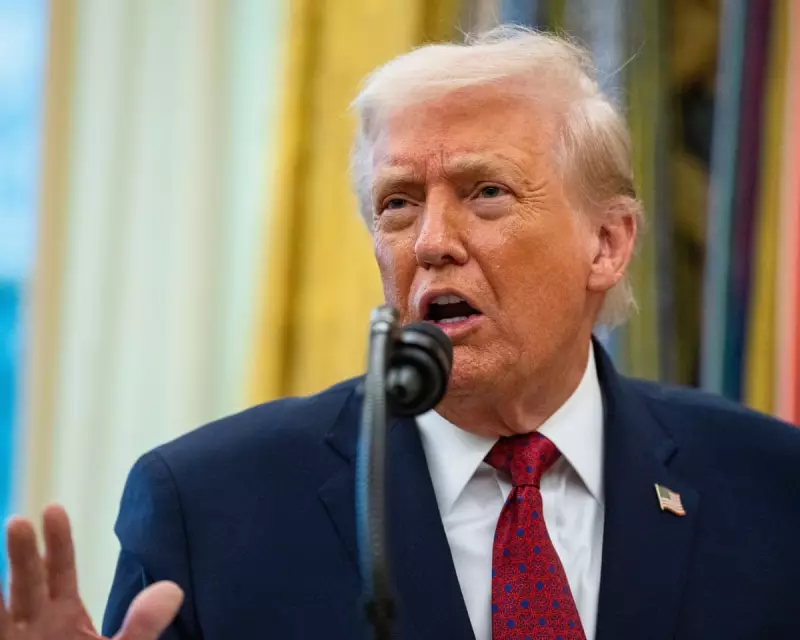
The BBC is facing a colossal $10bn lawsuit from former US President Donald Trump, who alleges the corporation defamed him through its editing of a speech he made before the storming of the US Capitol. The legal action has prompted senior UK figures to rally behind the broadcaster, with a government minister stating bosses are "right to stick by their guns".
Ministers and MPs Rally to BBC's Defence
Following the filing of the lawsuit, UK political figures have moved to support the BBC. Health Minister Stephen Kinnock asserted it was "right that the BBC stand firm" against Trump's claims. He acknowledged the broadcaster had apologised for "one or two of the mistakes" in the controversial Panorama programme but insisted there is "no case to answer" on the broader points of libel or defamation.
Liberal Democrat leader Ed Davey went further, urging Prime Minister Keir Starmer to "stand up for the BBC against Trump’s outrageous legal threat". Davey warned that the Trump administration aimed to "interfere in our democracy" by undermining the national broadcaster, a move he labelled unacceptable.

The Core of the $10bn Legal Claim
The lawsuit, filed at the US district court for the southern district of Florida, seeks $5bn in damages on each of two counts: defamation and a violation of Florida’s Deceptive and Unfair Trade Practices Act. Trump alleges the BBC "intentionally, maliciously, and deceptively" edited his 6 January 2021 address.
The edit in question, broadcast over a year ago, spliced sections of his speech that were almost an hour apart. The resulting sequence suggested Trump told supporters: "We’re going to walk down to the Capitol and I’ll be there with you, and we fight. We fight like hell." The BBC has previously called the editing an "error of judgment" and apologised, but maintains there is no legal basis for a defamation claim. The controversy led to the resignations of Director General Tim Davie and head of news Deborah Turness last month.
Legal Precedents and Potential for Settlement
Since his re-election in November, Trump has secured significant settlements from major US media firms. Disney-owned ABC paid $15m to settle a defamation suit, while Paramount, parent of CBS News, reached a $16m settlement over edited interview footage.
Christopher Ruddy, CEO of the Trump-supporting network Newsmax, predicted the BBC would seek a settlement to avoid a costly and damaging court battle. He estimated the case might settle for around $10m, but warned legal costs could reach $50m to $100m. Ruddy highlighted the risk of "discovery" processes exposing internal BBC communications, which could harm the corporation's public perception.
The BBC is expected to argue that the Panorama episode never aired in the United States and is not available on BBC iPlayer or BBC One there, meaning it could not have significantly damaged Trump's reputation among a US audience. This jurisdictional defence will likely form a key part of the corporation's legal strategy as it prepares to contest the unprecedented claim.