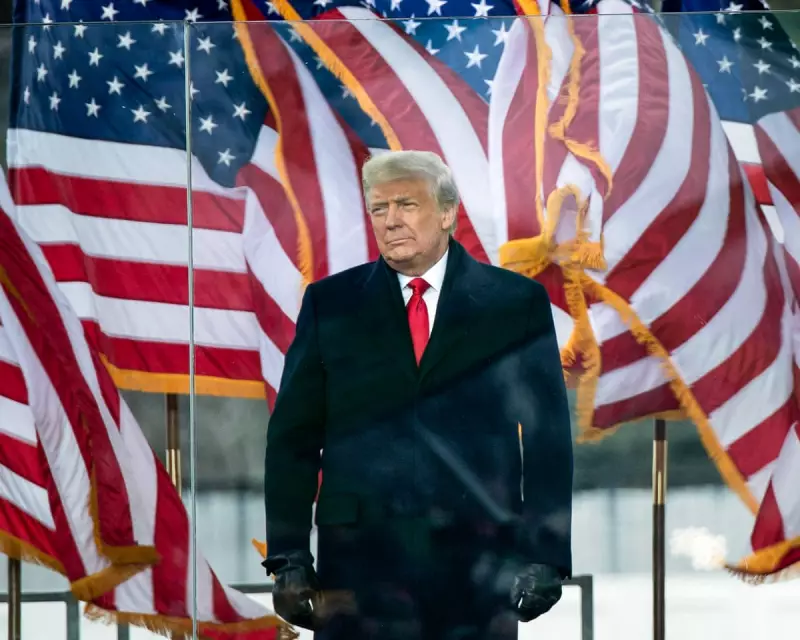
Former US President Donald Trump has followed through on a legal threat, filing a high-stakes lawsuit against the British Broadcasting Corporation. The claim, seeking a staggering $10bn in damages, centres on the BBC's editing of a Trump speech in a Panorama documentary. The legal action alleges the broadcaster deliberately misrepresented his words to paint him as an instigator of violence.
Core Allegations: Malice and Misrepresentation
The heart of the lawsuit rests on the claim that the BBC acted with "actual malice". Trump's legal team argues the broadcaster intentionally spliced clips to falsely show he "explicitly called for violent action and rioting." They cite an internal memo from former BBC adviser Michael Prescott, which described the programme as "anti-Trump" and said the editing "materially misled viewers."
However, proving malice is a significant legal hurdle. US law requires public figures to demonstrate the defendant knowingly published false information or acted with reckless disregard for the truth. The BBC maintains the edit was simply to shorten a lengthy clip for broadcast, not an act of malice.

The Jurisdiction Question: Did Florida See It?
A critical battleground will be whether the case can even be heard in a Florida court. Trump's claim argues that increased VPN usage in Florida makes it likely citizens there accessed the documentary on BBC iPlayer before it was geo-blocked. Establishing viewership in the state is crucial for determining the appropriate legal venue and the scale of any alleged reputational harm.
The BBC counters that it did not air the Panorama episode on its US channels and that iPlayer access was restricted to UK viewers. The number of people who potentially saw the programme in Florida, if any, will directly impact the lawsuit's viability and the damages claimed.
Broader Claims of Bias and Reputational Damage
The lawsuit extends beyond the specific edit, accusing the BBC of a complete lack of objectivity. It references comments from former UK Prime Minister Liz Truss, who called the BBC a "huge problem" and accused it of bias. Legal experts note that citing Truss, who served just 45 days in office and is a known Trump supporter, as an authority on "actual malice" is a contentious move unlikely to carry significant legal weight.
On the claim of overwhelming reputational and financial harm, the BBC is expected to present a robust defence. A likely argument is that Trump won the US presidential election and Florida after the documentary aired, securing his largest majority in the state against a Democrat since 2004. Given his well-established public persona and the extensive US media coverage of the Capitol Hill events, it is questionable whether a single UK documentary could have materially altered perceptions.
This lawsuit sets the stage for a complex transatlantic legal dispute, testing definitions of malice, jurisdiction in the digital age, and the global reach of broadcast content.