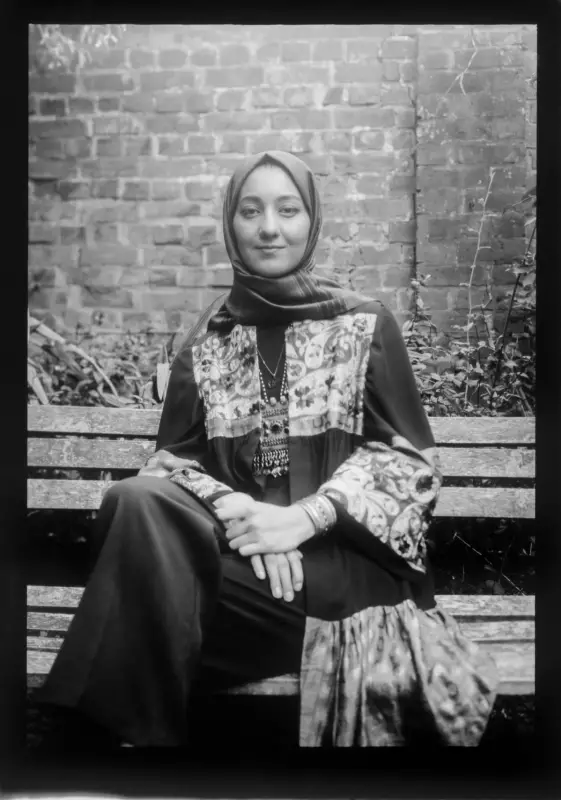
Four years after the Taliban's return to power in Afghanistan, a poignant photographic series is amplifying the voices of seven Afghan women who found sanctuary in the United Kingdom. Photographer Claudia Janke used a historic Instant Box Camera, the only type permitted during the Taliban's first regime, to reclaim a tool of control for a project of visibility and storytelling.
A Regime of Repression and Erasure
Since seizing control again in 2021, the Taliban has imposed devastating restrictions, systematically erasing women from public life. Girls are barred from secondary education, and women are prohibited from working, appearing on television, or leaving home without a male escort. A recent UN Women report, the Afghanistan Gender Index 2025, paints a stark picture: there is zero female representation in decision-making bodies, and the country exhibits one of the world's worst gender gaps, at 76%, across health, education, finance, and governance.
Despite this, political discourse in the UK often includes calls for deportations to Afghanistan, while the perspectives of female Afghan refugees remain largely unheard. This photo essay aims to bridge that gap, putting faces to the statistics and sharing personal narratives of survival and resilience.

Portraits of Resilience: From Kabul to London
The women featured have diverse backgrounds but share common threads of courage and loss. Maryam Khurram, now an urban designer in London working on the HS2 project, was homeschooled by her mother during the first Taliban regime. She speaks of the guilt she feels for her freedom while her sister's life in Kabul is severely limited. "No nation can thrive by silencing half its people," she states, expressing a desire to one day return and help rebuild her country.
Sharareh Sarwari, a TV presenter, was detained and questioned by the Taliban for her activism. She participated in secret street protests where participants would scatter when soldiers arrived. Now in London, she works for Afghanistan International Television but lives with enduring trauma. Bahaar Joya, an ICU nurse and journalist, was attacked and stabbed in Kabul for her work. After fleeing, she now produces health programmes for BBC Persian, reaching women who have lost access to care, while her mother runs an underground school for girls in Afghanistan.
Fatemah Habib, a project manager, was evacuated to the UK in 2021 due to her work with British institutions. She describes the current situation as soul-crushing, with women who once led organisations now confined to their homes. Aqlima Amiri, a lecturer, sees education as her "revenge against oppression" and is studying at a top UK university. Najiba Hadaf, a journalist now in Barnsley, calls the international withdrawal a "betrayal," and Nilab Mohammad, an interpreter, volunteers with the Refugee Council, helping newly arrived women combat isolation.
The Power of Reclaimed Narrative
By using the Afghan box camera—once a utilitarian tool for men's passport photos—Janke's project symbolically returns agency to these women. Each portrait and accompanying story is an act of defiance against the silencing they escaped. Their collective message is clear: the world must not forget Afghan women and girls. They call for more than conferences and speeches; they demand tangible action and recognition of the ongoing humanitarian emergency.
While building new lives in safety, these women carry the weight of those left behind and the hope for a different future. Their presence in the UK enriches their communities, and their unwavering voices continue to advocate for dignity, education, and the fundamental right for all Afghan women to choose their own path.