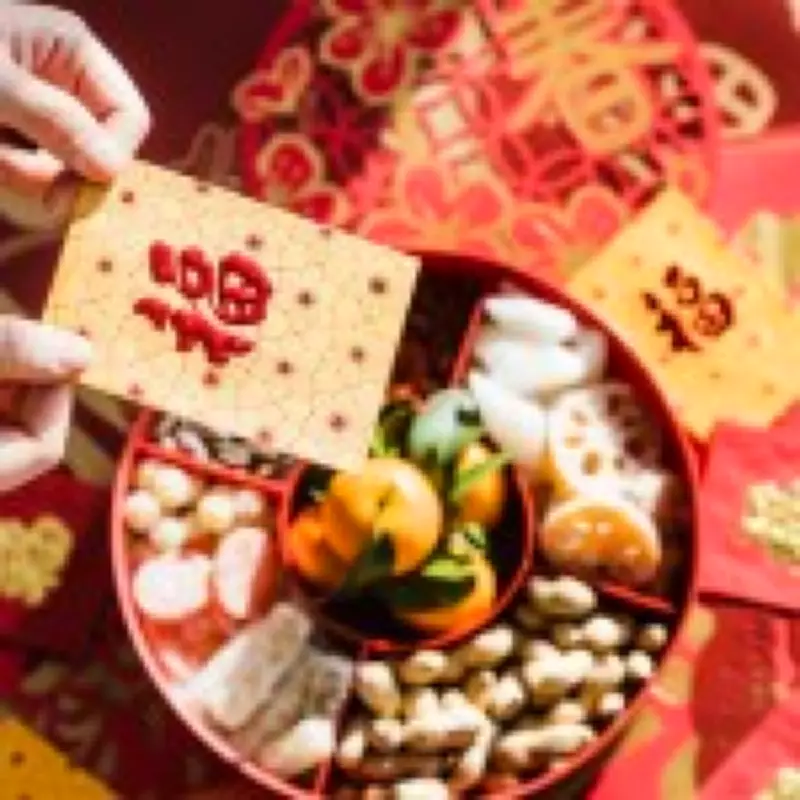
As the vibrant celebrations for Chinese New Year commence, many people seek to join in the festivities by offering heartfelt greetings to loved ones. Wishing someone a Happy Chinese New Year is a wonderful way to participate, but it is essential to use the correct phrases in Chinese and Mandarin. Contrary to popular belief, the common saying gong hei fat choy does not translate directly to Happy Chinese New Year. This guide provides a comprehensive overview of how to properly convey these wishes, ensuring cultural accuracy and respect.
Understanding Chinese New Year and Its Significance
Chinese New Year, also known as the Spring Festival or chun jie, marks the beginning of a new year according to the traditional Chinese calendar. This year, the festivities start on Tuesday, February 17, heralding the Year of the Horse. Celebrations typically span just over two weeks, filled with family gatherings, feasts, and cultural rituals. The holiday is a time for renewal, joy, and prosperity, making appropriate greetings all the more important.
Proper Greetings in Mandarin Chinese
In Mandarin Chinese, there are several ways to wish someone a Happy Chinese New Year, depending on the context and relationship. The most common phrase is xin nian kuai le, which directly translates to happy new year. It is pronounced as shin nee-an kwai le, with le sounding similar to the French word le. For a more casual or shortened version, especially among friends and family, you can use xin nian hao, meaning good new year, pronounced as shin nee-an how.

If you miss the exact day of Chinese New Year, do not worry. The greeting guo nian hao, pronounced gor nee-an how, can be used both on the day and shortly after. This phrase conveys wishes for a good passing of the year. Additionally, since Chinese New Year is also referred to as the Spring Festival, you can substitute xin nian with chun jie. For example, chun jie kuai le, pronounced chwen jee-eh kwai le, or chun jie hao, pronounced chwen jee-eh how, are excellent alternatives that capture the festive spirit.
The Meaning of Gong Hei Fat Choy
Many people mistakenly use gong hei fat choy as a generic Happy Chinese New Year greeting. However, this phrase actually means wishing you prosperity or may you become wealthy. It is particularly appropriate in business contexts, such as when greeting colleagues or partners during the holiday season. In Cantonese, the phrase is gong hei fat choy, while in Mandarin, it is gong xi fa cai, pronounced gong she fa tsai.
Cantonese is primarily spoken in regions like Guangdong and Hong Kong, whereas Mandarin is the standard language in mainland China and Taiwan. Understanding this distinction helps in choosing the right greeting based on the recipient's background. While gong hei fat choy is a positive and common wish, it should not be confused with the direct Happy Chinese New Year phrases.
Additional Tips and Cultural Insights
For other festivals or extended celebrations, you can adapt these greetings. For instance, guo jie hao, pronounced gor jee-eh hao, can be used for various holidays beyond Chinese New Year. Embracing these phrases not only shows respect for Chinese culture but also enhances your participation in the global celebrations. As you prepare to join the festivities, remember that a little linguistic effort goes a long way in spreading joy and goodwill during this special time of year.