

Forget the catwalks and red carpets. In 2025, the most compelling fashion statements were made not by supermodels, but by characters on our television screens. From dishevelled spies to narcissistic billionaires, costume design became a crucial storytelling tool, revealing personality and driving plot. Here, we explore the standout small-screen styles that captivated audiences this year.
The Anti-Heroes and Their Signature Looks
Some of the year's most memorable outfits belonged to characters who were fashionably flawed. In Apple TV+'s The Studio, Seth Rogen's perpetually stressed executive, Matt Remick, clung to a bygone Hollywood glamour. His collection of wide-lapel Italian suits in warm ochres and mahoganys was a deliberate, if desperate, nod to a golden age, starkly contrasting the gilet-wearing tech bros dominating the 2025 film industry.
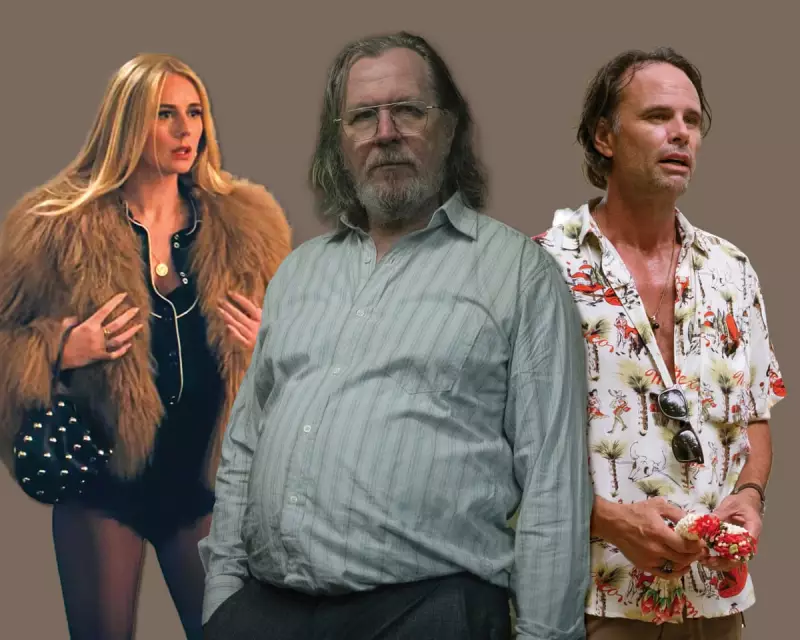
Meanwhile, Gary Oldman's Jackson Lamb in Slow Horses perfected a shabbier aesthetic. His mac, a clever update on Columbo's iconic coat, symbolised his maverick genius and zero-fucks-given attitude. Paired with a loosened tie, slight paunch, and unkempt hair, the look embodied the grimy, outcast energy of Slough House itself, making him an unlikely style hero for our times.

In a similar vein of questionable allure, Walton Goggins's Rick in The White Lotus season three won fans over with his collection of notoriously naff holiday shirts. Decorated with bullfighting motifs, spiky greenery, and Hawaiian-esque palms, these unbuttoned garments were a walking red flag that jarred brilliantly with his moody, mean persona, proving that fashion attraction is often deeply irrational.
Vanity and Vulnerability: Fashion as Character Plot
For other characters, clothing was less about attitude and more about armour or identity. In Netflix's Nobody Wants This, Justine Lupe's Morgan used her wardrobe as a weapon of distraction and a shield for her intelligence. Her vanity became a plot point, expressed through fluffy shearling jackets, hot pants, Wales Bonner track pants, and oversized leather bombers. This 'fashion girl' aesthetic, charmingly off-the-wall yet infuriatingly self-obsessed, consistently stole scenes from her more pragmatically dressed sister.
Costume design reached poignant heights in Netflix's The Beast in Me, where Claire Danes's Aggie wore a uniform of grief. Her perpetually ill-fitting man's jacket, tightly buttoned carrot pants, and clogs visually communicated a woman so consumed by loss she had retreated from her own life. In a television landscape often filled with fresh costume changes, this deliberate, dowdy consistency was a powerful narrative device.
BBC's Amandaland also used style to highlight fragility. The titular character, played by Morgana Robinson, maintained a prim, polished, and deeply impractical wardrobe—like an all-cream outfit for a muddy football match—as a fragile shield against reality. Her desperate need to curate her appearance, even when flyering in a branded T-shirt, perfectly captured her narcissistic unravelling.
Power Dressing and Unapologetic Excess
Not all 2025 style was about dysfunction. In BBC's Belfast police drama Blue Lights, Siân Brooke's Grace showcased an understated, sophisticated power dresser aesthetic off-duty. Trading her PSNI uniform for silk utility blouses, wide-legged trousers, and chunky knits, her look was practical, stylish, and full of quiet authority, culminating in a bold burnt orange bouclé coat for a pivotal romantic moment.
At the extreme end of the spectrum, Maya Rudolph's Molly in Apple TV+'s Loot embodied unapologetic, joyous excess. Informed by Silicon Valley's AI wealth rather than old-money restraint, her wardrobe was a riot of colour, feathers, ruffles, and luxury labels like Gucci and The Row. This orchestrated, brash, and panto-esque style, including a pink satin suit akin to Beyoncé's, made utter sense for a character navigating billionaire life with gleeful insensitivity.

Finally, the dark, privileged world of BBC's Wild Cherry was established through intentionally dated fashion. A pink pinstriped wrap-top and Fendi miniskirt worn by teen queen bee Allegra (Amelia Gray) immediately evoked the 2004 aesthetic of Mean Girls, honouring a cultural lineage of toxic privilege and signalling the show's glamorous, gossip-fuelled intentions.
Ultimately, 2025 proved that television costume design is at its best when it does more than just clothe characters. It reveals their deepest insecurities, their wildest ambitions, and their most hidden truths, making our favourite shows not just a visual feast, but a richer narrative experience.





