Extra Geography Review: A Sweet and Spiky Coming-of-Age Debut
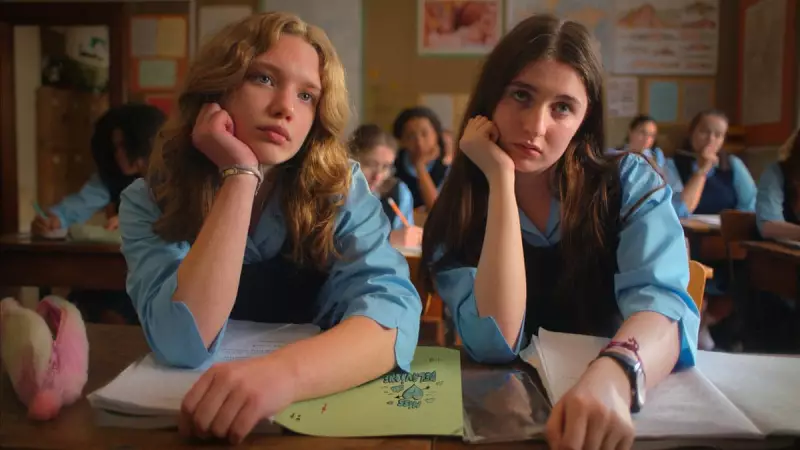
Galaxie Clear and Marnie Duggan star in Molly Manners' debut feature Extra Geography, a witty and charmingly odd British comedy that premiered at the Sundance film festival. The film follows two teenage girls whose intense friendship faces testing challenges during their year 10 at an English boarding school, offering a nuanced exploration of adolescent relationships.
Mapping the Terrain of Adolescent Friendship
First friendships create their own unique worlds - lush, expansive landscapes that feel both nourishing and intoxicating, yet remain vulnerable to sudden emotional weather changes. Extra Geography expertly navigates this delicate terrain through the charged relationship between Minna and Flic, portrayed with remarkable authenticity by newcomers Galaxie Clear and Marni Duggan.
Set in the early 2000s, the film captures the girls' initial boundless connection as they move through their boarding school life in playful synchrony. They share beds, mannerisms, academic ambitions for Oxbridge, and a mutual disdain for boys and those who pursue them. Director Molly Manners, a Bafta nominee for her work on Netflix's One Day, demonstrates particular sensitivity to the rhythms of platonic intimacy.

The Mechanics of Plot and Character Development
The first third of this brisk 94-minute film presents a mesmerizing symphony of female mind-meld, with the girls slamming lockers, opening notebooks, and hatching plans to a swift, synchronous beat. Their friendship feels so textured and lived-in that the plot's external mechanisms initially appear somewhat arbitrary by comparison.
Adapted by playwright Miriam Battye from Rose Tremain's short story, Extra Geography joins the tradition of teen films like Booksmart and Honor Society, featuring female protagonists who are prickly, unapologetically ambitious, and motivated more by prestige than romance. The girls embark on a quest to prove themselves "worldly" during summer break to improve their Oxbridge chances, reluctantly auditioning for a co-ed production of A Midsummer Night's Dream.
Complex Dynamics and Emotional Truths
In a characteristically adolescent decision, they resolve to fall in love with the first person they see - their frumpy, aloof geography teacher Miss Delavigne, played by Alice Englert. While the film takes its title from their clumsy attempts to secure an extracurricular invitation to her cabin, this forced romantic pursuit feels somewhat inorganic compared to the nuanced portrait of friendship frayed by more familiar jealousies.
Minna, the prettier and more dominant of the pair, begins to upstage Flic - outperforming her in the play, charming boys more effectively, and generally winning greater admiration from their peers. Flic responds by leaning harder into winning Miss Delavigne's affection, discovering fledgling attractions to women in the process. Both girls demonstrate the capacity for cruelty while remaining endearingly behind their own ferocious emotions, graduating top of their class from what might be called the Elena Ferrante school of semi-erotic best frenemy dynamics.
Standout Performances and Directorial Confidence
The film's emotional success - making the friendship's dissolution both painfully funny and gut-wrenching - owes much to Clear and Duggan's extraordinary performances. Clear manages the difficult task of inviting both sympathy and spite, with competing motivations shadowing her every movement. Though the latter half assumes Flic's perspective as she documents her brilliant friend's cruel superiority, Clear ensures the emotional scales feel balanced.
Duggan delivers a performance that shifts from brittle to smoldering, capturing the complex emotions of adolescent envy and attraction with dry humor and complete conviction as an impetuous 15-year-old. Both actresses demonstrate remarkable talent in portraying the intricate dance between friendship and rivalry.

Thematic Depth and Cinematic Style
Credit also belongs to Battye and Manners' airtight understanding of the fine line between collaboration and competition, and how the presence of boys warps the girls' perceptions of themselves and others, even for those uninterested in male affection or approval. The film-making remains splashy and stylish throughout, shrewdly conveying how much one can learn - and break - during a single formative year.
There's a refreshing bittersweetness to the girls' bond, which may not survive the environmental pressures of young adulthood. Extra Geography suggests they will recover from their year 10 trials, but they will never forget them. The film represents a confident debut from Manners, who guides viewers through rocky adolescent terrain with assurance and insight.
Extra Geography screened at the Sundance film festival and is currently seeking distribution, marking an impressive arrival for both its director and its talented young cast.