Emerald Fennell's Wuthering Heights Adaptation Sparks Criticism for Oversimplifying Classic Novel
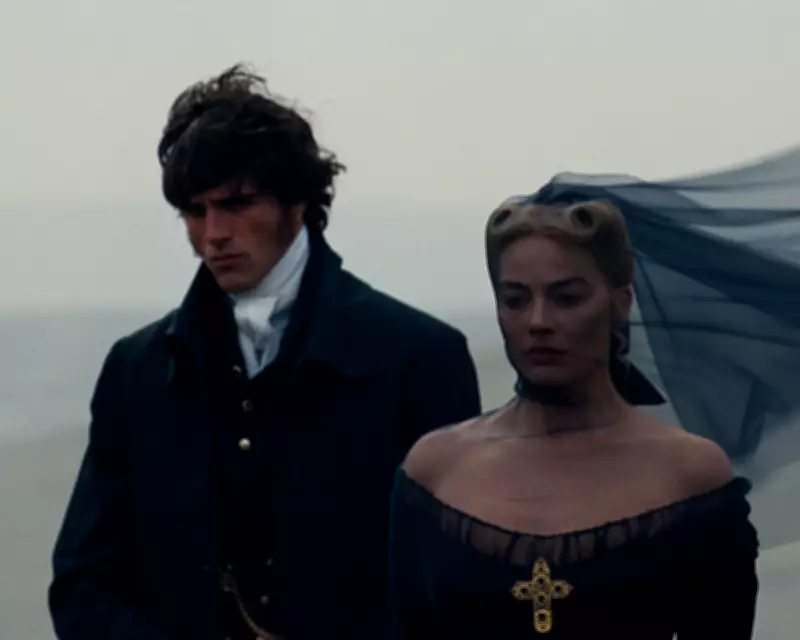
Emerald Fennell's highly anticipated film adaptation of Emily Brontë's Wuthering Heights has premiered, starring Margot Robbie and Jacob Elordi, but it has left many viewers and critics feeling underwhelmed and disheartened. The film, marketed as a passionate love story, has been accused of stripping away the novel's profound themes of class, race, and generational trauma, reducing it to a mere corset-heaving romance.
Casting Choices and Marketing Raise Concerns
From the outset, Fennell's adaptation faced scrutiny over its casting decisions. Margot Robbie, at 34, portrays Cathy Earnshaw, a character who is a teenager in the novel, while Jacob Elordi, a white actor, plays Heathcliff, who is described with darker skin and ambiguous foreign origins in Brontë's text. These choices, coupled with what some describe as crass marketing and brand tie-ins, set the stage for a film that many argue misses the mark on authenticity and depth.
Fennell stated that she aimed to create the film she imagined at age 14, when many first encounter the novel in school. However, this approach has led to a narrow focus on the romantic elements between Cathy and Heathcliff, neglecting the broader social and political commentary that defines the book. As one critic noted, the novel is not merely a love story but a complex exploration of revenge, power dynamics, whiteness, and systemic violence.

Stripping Away Political and Racial Themes
In Brontë's original work, Heathcliff is a marginalized figure—a child likely of foreign descent who is abused and rejected due to his poverty and brownness. His journey is one of vengeance against the oppressive structures of the Earnshaw and Linton families. Fennell's adaptation, however, downplays these critical aspects, opting instead for sensationalized elements like BDSM and boarding-school pranks.
When questioned about casting a white actor as Heathcliff, Fennell responded, "You can only make the movie that you sort of imagined yourself when you read it." This statement has been interpreted as revealing a limited perspective, particularly given her privileged background. Critics argue that this lack of imagination results in a film that fails to engage with the racial and class struggles central to the novel.
Misrepresentation of Abuse and Female Agency
Another point of contention is the portrayal of Isabella Linton's abuse. In the film, her suffering is trivialized through comedic BDSM scenes, whereas in the novel, her escape from Heathcliff's violence—including throwing her wedding ring into the fire—is a groundbreaking act of defiance against the era's patriarchal norms. By glossing over this, Fennell's adaptation loses the radical feminist undertones that Brontë embedded in the story.
The film also abandons the gothic and supernatural elements that add depth to the novel, such as Cathy's ghost and the grave-digging scenes. Instead, it presents an aesthetic that some describe as a diluted version of Tim Burton's style, feeling more like a prolonged perfume advertisement than a faithful adaptation.
Broader Implications for Art and Representation
This adaptation raises important questions about who gets to reinterpret classics and whose voices are prioritized in the creative process. For many, Fennell's film represents a cynical co-option of a groundbreaking work, one that disregards its molten core of social critique. As one reviewer put it, the film's attempt to shock falls flat, leaving audiences bored and saddened by the loss of the novel's radical spirit.
Ultimately, Emerald Fennell's Wuthering Heights serves as a reminder that adaptations must honor the original's complexity. While it may appeal to those seeking a straightforward romance, it disappoints those who value the novel's enduring exploration of inequality and human struggle. As generations continue to rediscover Brontë's masterpiece, this film highlights the challenges and responsibilities of bringing classic literature to the screen.