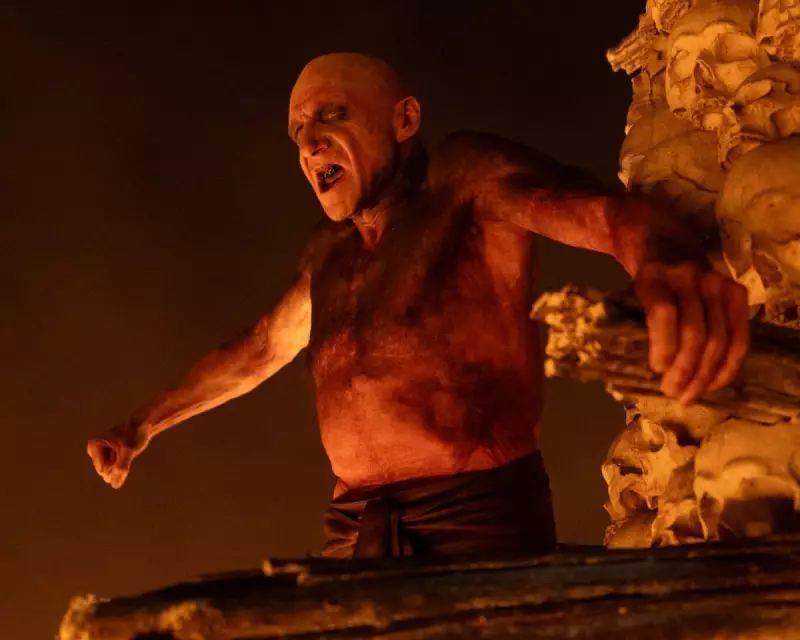
A cinematic moment involving a semi-naked Ralph Fiennes, a mountain of bones, and the thunderous sound of Iron Maiden has become an unforgettable climax in the new film 28 Years Later: The Bone Temple. The scene, which left audiences in a north London cinema both laughing and cheering, showcases a daring creative choice that has paid off spectacularly.
The Devil in the Details: A Scripted Masterstroke
The film's director, Nia DaCosta, credits writer Alex Garland with the inspired selection of Iron Maiden's 1982 classic, 'The Number of the Beast'. "He wrote it into the script," DaCosta confirmed. "And you can't get better than that in a film about satanists." The track's ominous spoken-word intro and powerful lyrics provided the perfect five-minute backdrop for the film's jarring finale.
The song itself holds a significant place in music history. It was the title track of the band's third album, which marked Bruce Dickinson's debut as lead singer and propelled Iron Maiden to new heights, earning them their first UK number one album. As a single, it reached number three in the UK charts in 1990, securing its place as the highest-charting UK single ever to focus on satanic themes.

Blending Craziness and Romance on Screen
DaCosta explained the complex tonal balance the scene required. It needed to mirror the erratic violence of the Satanist gang, the Jimmys, while also capturing the warm, humanist essence of Fiennes's character. "We wanted it to feel as erratic and crazy... but also having the romance of Ralph's character's world," she said. The song's unconventional structure, with its juddering drums and multiple sections, offered the creative team a wealth of options for editing and pacing.
Securing the rights to the track was no small feat. Iron Maiden's management, Phantom Music Management, is notoriously selective, primarily to avoid the band being mocked. "The biggest thing to consider," said manager Dave Shack, "is: are we going to be made fun of?" He referenced regret over licensing for Hot Tub Time Machine as a cautionary tale, emphasising, "We're not bloody Spinal Tap."
A Validated Gamble and a Cultural Resurgence
For DaCosta, the impact was immediate. After three nights of shooting and a quick editorial cut, she knew they had succeeded. "I felt: Oh, we did it," she recalled. The audience reaction at the BFI Imax screening confirmed it, with people standing to applaud. Shack's response to DaCosta's query about his happiness was emphatic: "Are you kidding me?"
This marks the second major pop-culture moment for Iron Maiden in recent weeks, following the use of their song 'The Trooper' in the Stranger Things finale, which saw streaming numbers surge by 252%. Both instances involve prestige productions where music is integral to the plot. Shack notes that the band has long refused to license music "for the exposure," insisting on proper budgets. "If you make a $10m film, why don't you put half a million aside for music?" he argued.
The timing coincides serendipitously with Iron Maiden's ongoing 50th-anniversary world tour. While Shack acknowledges the dual screen appearances were chance, he sees them as a form of validation, particularly in attracting new audiences. For cinema-goers and metal fans alike, the powerful fusion of Ralph Fiennes's committed performance and Iron Maiden's iconic sound has created a needle-drop moment that will be remembered for years to come.