Kidnapped: Elizabeth Smart Review – A Powerful True Crime Documentary on Netflix
As the new year unfolds, Netflix delivers another compelling true crime documentary with Kidnapped: Elizabeth Smart. This film revisits one of the most high-profile abduction cases in recent history, offering a raw and inspiring look at survival and resilience. The genre, popularised by Netflix since Making a Murderer in 2015, continues to evolve, now often focusing on victims' stories and the conviction of perpetrators, catering to audiences seeking tales of justice without delving too deeply into systemic legal flaws.
The Story of Elizabeth Smart's Ordeal
In 2002, at just 14 years old, Elizabeth Smart was taken from her bedroom at knifepoint in the middle of the night, while her younger sister watched in terror. She was held captive for nine months by Brian David Mitchell, a self-styled preacher who raped her almost daily and threatened to kill her and her family if she attempted escape. The 90-minute documentary efficiently covers this harrowing period, using footage from the time to show the extensive search efforts by her Mormon community and the emotional turmoil of her father, Ed Smart, who broke down repeatedly during press conferences.
The film details the challenges faced by the police, who initially investigated the family as suspects, and the frustration when leads from Smart's sister, Mary Katherine, were not promptly followed. Eventually, the Smarts took matters into their own hands, publicising Mitchell's name and sketch, leading to his identification as the abductor. Mitchell and his accomplice, Wanda Barzee, were seen locally in disguises, yet an officer backed off due to Mitchell's claims about religious beliefs preventing interaction.

Elizabeth Smart's Frankness and Activism
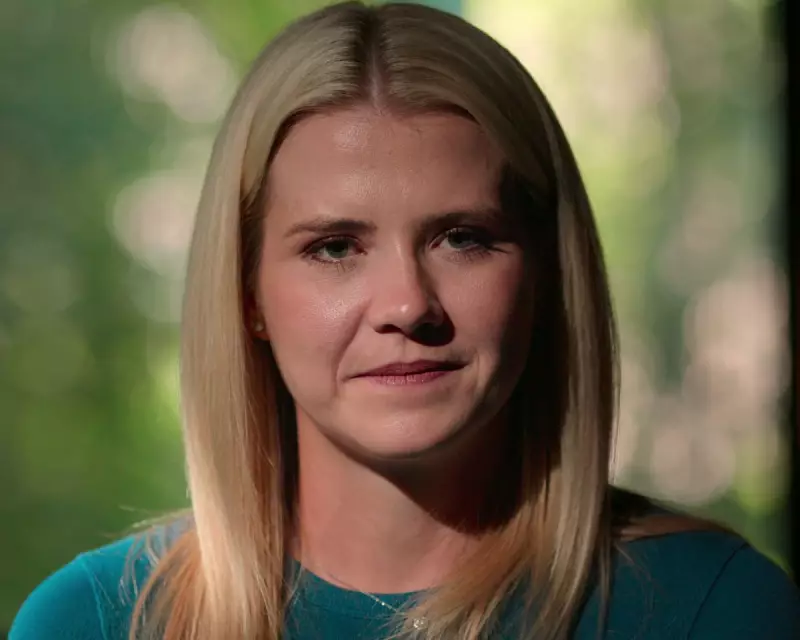
Now 38 years old, Elizabeth Smart speaks with remarkable frankness about her experiences, particularly the shame associated with rape due to her religious upbringing. She recounts traumatic moments, such as trying to avoid assault by lying on her stomach and waking up shackled after passing out from pain. Her disavowal of shame is a central theme, as she firmly places responsibility on Mitchell for his actions and the psychological impact of living in constant fear.
Smart has become a prominent activist for survivors' rights and child safety, using her platform to advocate against predators. The documentary highlights her journey through the legal system, which took nearly 10 years to bring Mitchell to trial due to his attempts to be declared mentally unfit. In 2011, he was convicted of kidnapping and transporting a minor across state lines for sexual activity, receiving a life sentence without parole.
Reflections on the True Crime Genre
While Kidnapped: Elizabeth Smart serves as an uplifting story of survival, it also prompts reflection on the true crime genre's role. These documentaries often bring forgotten victims' stories to light, yet they risk oversimplifying complex issues or exploiting trauma for entertainment. The film avoids heavy critique of legal systems, instead focusing on Smart's personal narrative and her message of empowerment.
Ultimately, this documentary stands out for its honest portrayal of suffering and resilience, making it a must-watch for those interested in true crime and inspirational human stories. It is available for streaming on Netflix now, offering viewers a chance to engage with a tale of courage in the face of unimaginable adversity.