Return to Silent Hill Review: A Hauntingly Faithful Video Game Adaptation
The highly anticipated film Return to Silent Hill has finally arrived, and it offers a deeply atmospheric and chilling experience that stays remarkably true to its video game origins. Directed by Christophe Gans, who previously helmed the 2006 adaptation, this new entry delves back into the fog-shrouded, nightmarish town with a renewed focus on psychological horror and visual storytelling.
Atmospheric Mastery and Visual Fidelity
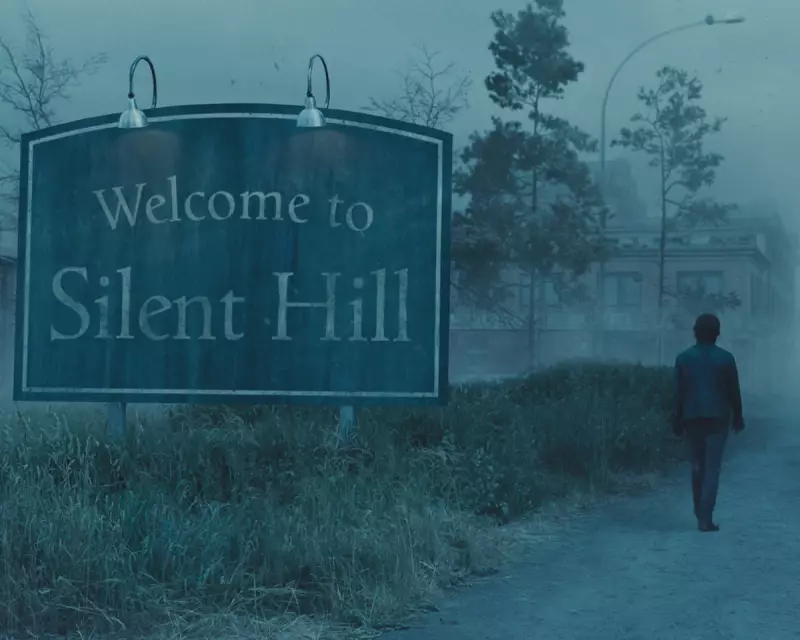
One of the standout aspects of Return to Silent Hill is its exceptional visual design. The film meticulously recreates the eerie, decaying environments of the game, from the rusted industrial landscapes to the oppressive, mist-filled streets. Cinematographer Benoît Debie captures the unsettling ambiance with a palette dominated by greys and muted colours, enhancing the sense of dread and isolation. The use of practical effects and CGI blends seamlessly to bring the iconic monsters to life, ensuring they retain their grotesque and symbolic nature from the source material.
Narrative Loyalty and Character Depth
The plot follows James Sunderland, portrayed with a compelling mix of vulnerability and determination by Jeremy Irvine, as he returns to Silent Hill in search of his deceased wife, Mary. The screenplay, co-written by Gans and Sandra Vo-Anh, adheres closely to the game's narrative, exploring themes of guilt, loss, and redemption. This faithfulness allows fans to appreciate the nuanced storytelling, while newcomers are drawn into a complex, emotionally charged journey. Supporting characters, such as the enigmatic Maria, add layers to the psychological horror, making the film more than just a series of scares.

Sound Design and Musical Score
A critical element in the Silent Hill franchise has always been its audio, and this film does not disappoint. The sound design is meticulously crafted, with every creak, whisper, and distant siren contributing to the pervasive tension. The musical score, featuring tracks from the original games by Akira Yamaoka, is used sparingly but effectively, evoking nostalgia and amplifying key emotional moments. This auditory attention to detail ensures that the film immerses viewers fully in its haunting world.
Comparison to Previous Adaptations
Compared to earlier film adaptations, Return to Silent Hill stands out for its deeper engagement with the game's lore and psychological underpinnings. While the 2006 film was praised for its visuals, this new iteration improves upon character development and narrative coherence. It avoids the pitfalls of many video game adaptations by prioritising atmosphere and story over action set-pieces, resulting in a more cohesive and satisfying horror experience.
Audience Reception and Critical Acclaim
Early reviews have been largely positive, with critics highlighting the film's ability to capture the essence of the Silent Hill games. Fans of the series are likely to appreciate the numerous Easter eggs and references, while general horror audiences will find it a compelling and visually striking entry. The film's pacing, though deliberate, builds tension effectively, leading to a climactic finale that resonates emotionally and thematically.
Conclusion: A Must-Watch for Horror Enthusiasts
In summary, Return to Silent Hill is a triumph in the video game adaptation genre, offering a faithful, atmospheric, and psychologically rich horror film. Its strengths lie in its visual artistry, sound design, and narrative depth, making it a significant contribution to both the franchise and horror cinema at large. Whether you're a longtime fan or a newcomer, this film promises a haunting journey that lingers long after the credits roll.